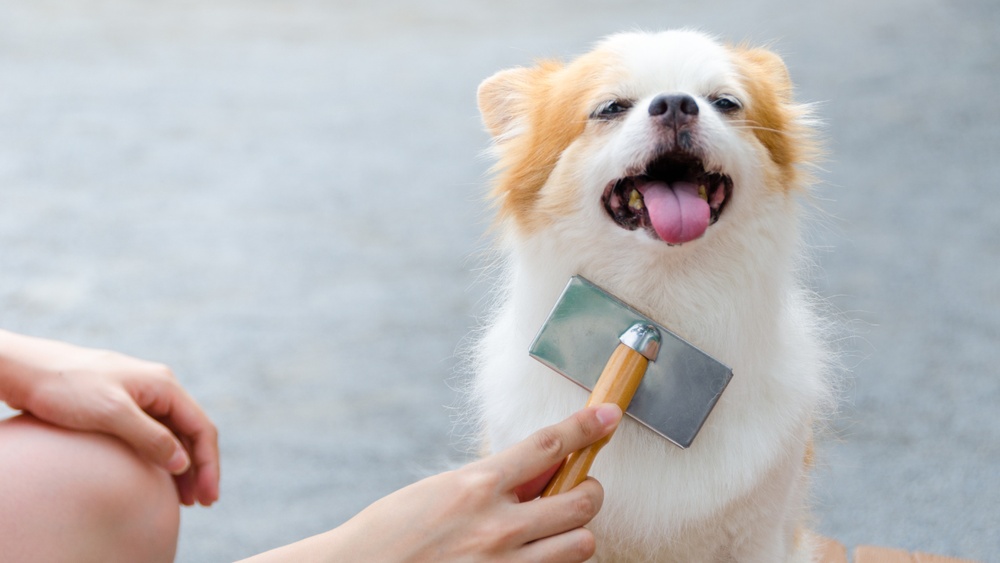
If your dog dreads brushing time and tries to run away every time you bring out the brush, you’re not alone. Many dogs feel uncomfortable or even scared during grooming.
But finding the right brush can change everything. Imagine a tool that makes brushing gentle, easy, and even enjoyable for your furry friend. You’ll discover the best brushes designed specifically for dogs who hate being brushed. Keep reading to learn how you can turn a stressful routine into a calming bonding moment for both you and your pet.
Signs Your Dog Dislikes Brushing
Knowing the signs your dog dislikes brushing helps you choose the best brush. Dogs show clear signals when they feel uneasy during grooming. Spotting these signs early can make brushing easier for both of you.
Behavioral Cues To Watch
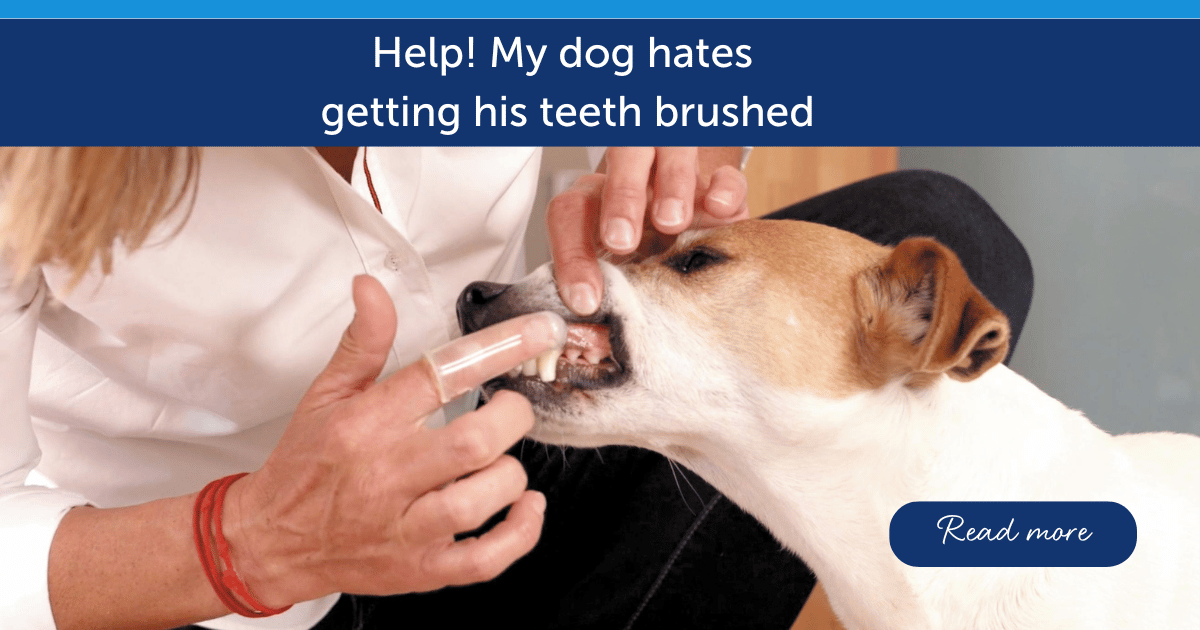
Your dog may try to escape or hide when you bring out the brush. Watch for trembling, whining, or growling. Some dogs snap or nip as a warning. Ears pinned back and tail tucked are common signs of stress. Restlessness, like pacing or turning away, means discomfort. These behaviors show your dog does not enjoy brushing.
Common Triggers Of Discomfort
Brushing too hard can hurt your dog’s skin. Mats and tangles pull on the fur, causing pain. Using the wrong type of brush can irritate the coat. Brushing sensitive areas like the belly or ears may upset your dog. Sudden movements or loud noises during brushing can scare them. Identifying these triggers helps you find gentler options.
Credit: www.adaptil.co.uk
Factors To Consider When Choosing A Brush
Choosing the right brush for a dog who hates brushing can make a big difference. The right brush helps keep your dog calm and comfortable. It also makes grooming easier and faster. Several important factors affect this choice. Understanding these can help you find the best brush for your dog’s needs.
Coat Type And Length
Different brushes work best for different coat types. Short coats need softer brushes to avoid skin irritation. Long coats require brushes that can reach through thick fur. Curly or wiry coats need special brushes to detangle and remove loose hair. Pick a brush that matches your dog’s coat type and length.
Sensitivity And Skin Condition
Some dogs have sensitive skin or skin problems. Gentle brushes with soft bristles work well for these dogs. Brushes with wide-set bristles avoid pulling on the skin. Avoid sharp or stiff brushes that can hurt your dog. Choose a brush that keeps your dog comfortable and safe during grooming.
Top Gentle Brushes For Sensitive Dogs
Finding the right brush for a dog who hates being brushed can be tough. Sensitive dogs need gentle care. The right brush calms your dog and cleans their coat well. Gentle brushes reduce pulling and discomfort. They make grooming a calm time.
Here are some top gentle brushes that work well for sensitive dogs.
Soft Bristle Brushes
Soft bristle brushes have fine, gentle bristles. They are perfect for dogs with sensitive skin. These brushes remove dirt and loose hair softly. The soft bristles feel like a light massage. They help your dog stay relaxed during grooming. Ideal for short or thin coats.
Rubber Grooming Gloves
Rubber grooming gloves are a great choice. They fit like a glove on your hand. The soft rubber nubs gently remove loose hair. Dogs often enjoy the feeling of being petted. These gloves clean and massage at the same time. Easy to use for shy or nervous dogs.
Slicker Brushes With Flexible Bristles
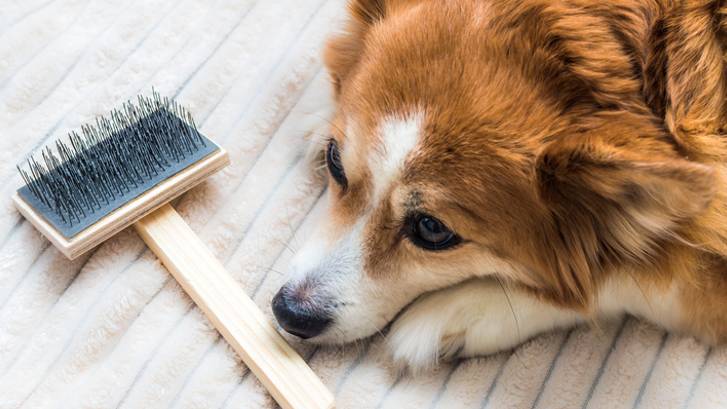
Slicker brushes have thin, flexible bristles. These bristles slide through fur without pulling. They help untangle mats without pain. Flexible bristles bend to avoid scratching skin. Good for medium to long-haired dogs. Helps keep the coat smooth and clean.

Credit: www.akc.org
Techniques To Make Brushing Comfortable
Brushing a dog that dislikes it needs patience and care. Using the right techniques can help make the process easier. Comfort and calmness are key. Small steps and positive actions build trust over time. This section shares simple ways to help your dog enjoy brushing more.
Creating A Calm Environment
Start in a quiet place without distractions. Soft lighting and a warm room help your dog relax. Speak in a gentle voice to soothe your pet. Avoid sudden movements that might startle your dog. Keep the brush and other tools nearby but out of sight at first. A calm setting lowers stress during brushing.
Positive Reinforcement Strategies
Use treats to reward good behavior during brushing. Praise your dog with kind words and petting. Give a small treat after each brush stroke. This creates a happy link between brushing and rewards. Keep sessions short and end on a positive note. Encouragement helps your dog feel safe and willing.
Gradual Brushing Introduction
Begin by letting your dog smell and see the brush. Touch your dog gently with the brush without brushing fur. Slowly increase the brushing time over several days. Focus on easy areas like the back or sides. Stop if your dog shows stress signs. Gradual exposure makes brushing less scary.
Additional Tools To Reduce Brushing Stress
Brushing a dog that dislikes grooming can be tough. Using extra tools helps make the process smoother. These tools reduce stress and make brushing easier for your pet. They prepare the coat and calm your dog.
Detangling Sprays And Conditioners
Detangling sprays soften knots and mats in your dog’s fur. They make brushing less painful and easier to manage. These sprays help the brush glide through the hair. Conditioners add moisture and reduce static, calming your dog’s skin.
Use a spray before brushing to loosen tough tangles. The coat feels smoother and less pulling is needed. Your dog will feel more comfortable during grooming sessions.
Massage And Deshedding Tools
Massage tools relax your dog and improve blood flow. They create a calming effect that lowers anxiety. Gentle massages before brushing prepare your dog’s skin and fur.
Deshedding tools remove loose hair efficiently. They reduce the amount of brushing needed. These tools work well on dogs with thick or double coats. Using them can make grooming quicker and less stressful.
Credit: www.petsradar.com
Maintaining Your Dog’s Coat Between Brushes
Maintaining your dog’s coat between brushes helps keep it clean and healthy. Dogs that dislike brushing need gentle care to avoid stress. Small daily habits can reduce dirt and loose hair. These steps also support skin health and shine.
Regular Wiping And Spot Cleaning
Use a soft cloth or pet wipe to clean your dog’s coat. Focus on areas that get dirty fast, like paws and belly. Wiping removes dust and loose hair without brushing. Spot cleaning helps control odor and keeps your dog fresh. It is a quick way to care for dogs who resist brushing.
Diet And Skin Health
Your dog’s diet affects coat quality and skin condition. Foods rich in omega-3 and omega-6 fatty acids improve shine and reduce dryness. Fresh water also supports healthy skin. Supplements like fish oil can help, but ask your vet first. Good nutrition keeps your dog’s coat strong and less prone to shedding.
Frequently Asked Questions
What Type Of Brush Suits Dogs That Dislike Brushing?
Soft-bristle or rubber brushes work best for dogs that hate brushing. They gently remove loose fur without causing pain. These brushes help reduce anxiety and make grooming more comfortable and pleasant for sensitive dogs.
How Often Should I Brush A Dog Who Hates It?
Brush your dog 2 to 3 times a week using gentle strokes. Frequent brushing prevents matting and reduces shedding while keeping sessions short and stress-free. Always reward your dog to create a positive experience.
Can Grooming Gloves Help With Fearful Dogs?
Yes, grooming gloves are excellent for fearful dogs. They feel like petting and reduce stress during grooming. Gloves effectively remove loose hair while calming your dog, making brushing less intimidating and more enjoyable.
What Techniques Calm A Dog During Brushing?
Use slow, gentle strokes and speak softly to calm your dog. Start with short sessions and gradually increase time. Offer treats and praise to build trust and make brushing a positive routine.
Conclusion
Finding the right brush helps your dog enjoy grooming more. Gentle bristles reduce discomfort and make brushing calm. Take your time and be patient with your pet. Regular brushing keeps their coat healthy and clean. A happy dog means easier grooming sessions ahead.
Try different brushes to see what suits best. Small steps lead to big changes in your dog’s comfort. Keep brushing short and positive to build trust. Your dog will thank you with a shiny, soft coat.