If you want to keep your dog happy and healthy, protecting them from heartworms, fleas, and ticks is a must. These pests don’t just cause discomfort—they can lead to serious health problems.
But with so many prevention options out there, how do you choose what’s best for your furry friend? You’ll discover the top heartworm and flea and tick prevention methods that work effectively and safely. By the end, you’ll feel confident in making the right choice to shield your dog from these hidden dangers.
Keep reading to learn what you need to know to keep your pet safe all year round.
Credit: bfdwlo.org
Heartworm Prevention Basics
Heartworm disease is a serious threat to dogs. It can cause severe health problems and even death. Understanding the basics of heartworm prevention helps protect your dog. Preventing heartworm is easier than treating it. Regular prevention keeps your dog safe and healthy.
How Heartworm Affects Dogs
Heartworms are parasites that live in a dog’s heart and lungs. They grow and multiply, blocking blood flow. This causes coughing, fatigue, and heart failure. If untreated, heartworm disease can be fatal. Early prevention stops these worms from developing.
Transmission And Risks
Heartworms spread through mosquito bites. Mosquitoes carry larvae from infected animals to healthy dogs. Warm and wet areas have more mosquitoes, increasing the risk. Dogs spending time outside are more vulnerable. Even indoor dogs need protection, as mosquitoes can enter homes.
Importance Of Prevention
Preventing heartworm is safer and cheaper than treatment. Monthly medications kill heartworm larvae before they grow. Regular vet checkups help detect early signs. Prevention protects your dog’s heart and lungs. It improves their quality of life and lifespan.
Flea And Tick Threats
Fleas and ticks pose serious risks to dogs. These tiny pests can cause discomfort and spread diseases. Protecting pets from them is essential for their health. Understanding the threats helps in choosing the right prevention methods.
Common Flea And Tick Species
The most common flea on dogs is the cat flea. It bites and causes itching and irritation. Ticks vary by region but often include the deer tick and dog tick. Each species carries different diseases harmful to dogs.
Health Issues From Infestations
Fleas cause skin problems like itching and hair loss. They can also lead to anemia in severe cases. Ticks transmit diseases such as Lyme disease and ehrlichiosis. These illnesses affect a dog’s joints, heart, and nervous system.
Seasonal Considerations
Flea and tick activity rises in warm months. Spring through fall is peak season for these pests. Mild winters may extend their active period. Year-round prevention often gives the best protection for dogs.
Types Of Prevention Products
Protecting dogs from heartworms, fleas, and ticks is vital for their health. Various prevention products exist to help pet owners keep their dogs safe. Each product type works differently and suits different needs. Understanding these types helps in choosing the right protection for your dog.
Oral Medications
Oral medications are pills or chewables dogs eat. They enter the bloodstream and kill parasites when they bite. These medicines often protect against heartworms and fleas. Some also target ticks. They usually work for a whole month. Easy to give and effective for many dogs.
Topical Treatments
Topical treatments are liquid drops applied to the dog’s skin. Usually placed between the shoulder blades. They spread over the skin and repel or kill pests. These treatments protect against fleas, ticks, and heartworms. Many work for up to 30 days. Water-resistant options are available for active dogs.
Collars And Other Options
Collars provide long-lasting protection by releasing chemicals slowly. They guard against fleas and ticks for several months. Some collars also protect against mosquitoes that carry heartworms. Other options include sprays and shampoos. These offer temporary relief and work well with other products. Choosing the right method depends on your dog’s lifestyle and health.
Credit: www.nvtpropertypune.com
Top Heartworm Prevention Picks 2025
Choosing the right heartworm prevention is vital for your dog’s health. In 2025, several products stand out for safety and effectiveness. These top picks protect dogs from heartworms with easy use and strong results.
Each product offers unique benefits and suits different dog sizes and lifestyles. Here, we explore their key features, what users say, and how affordable they are.
Product Features And Benefits
Top heartworm preventives protect against heartworms and sometimes other parasites. Many come as chewables, making them easy to give your dog. Some protect for a full month, reducing the chance of missed doses. Certain options also cover fleas and ticks, offering extra protection. Most products are safe for puppies and adult dogs, but always check the label. Fast action and reliable prevention keep your dog healthy throughout the year.
User Reviews And Ratings
Dog owners praise products that work quickly and cause no side effects. High ratings often come from easy dosing and visible protection against parasites. Some users appreciate the taste of chewables, making their dogs happy to take them. Reports of fewer vet visits show the effectiveness of these preventives. Negative reviews usually mention price or difficulty finding the product in stores. Overall, top picks maintain strong trust among pet owners.
Pricing And Availability
Prices vary based on product type and dose size. Monthly doses typically range from budget to premium prices. Many products are available online and at pet stores nationwide. Some brands offer discounts for buying in bulk or through subscriptions. It is best to compare prices before buying. Availability ensures you can maintain regular protection without hassle. Choosing a product that fits your budget helps keep your dog safe year-round.
Best Flea And Tick Products For Dogs
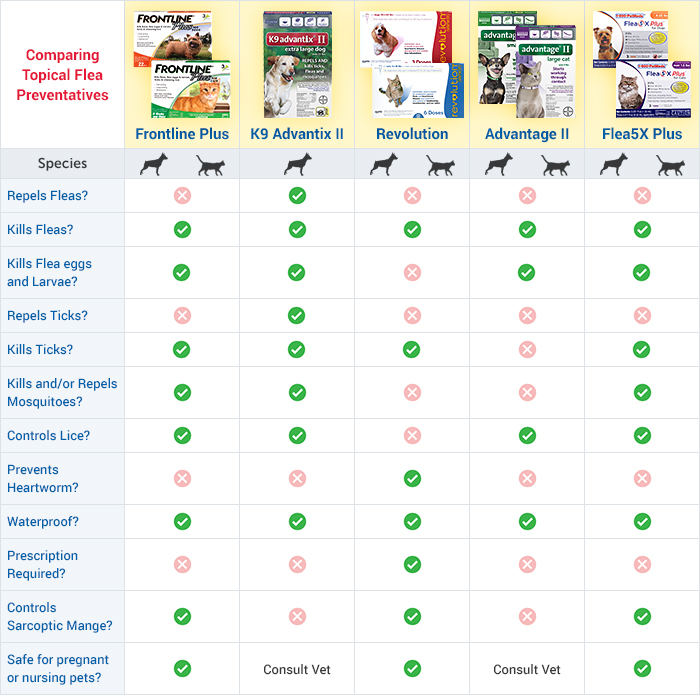
Fleas and ticks cause discomfort and health problems for dogs. Choosing the right product helps protect your dog effectively. The best flea and tick products combine safety and strong protection. They stop infestations before they start.
Many products come in different forms like spot-ons, collars, and oral tablets. Each type works differently but aims to keep your dog free from pests. Knowing what to pick is important for your dog’s health.
Effective Ingredients To Look For
Look for active ingredients proven to kill fleas and ticks fast. Common ones include fipronil, imidacloprid, and permethrin. These ingredients target pests on contact or after biting.
Some products use newer chemicals like fluralaner and afoxolaner. These last longer and protect for up to three months. Always choose products safe for your dog’s age and weight.
Popular Brands And Formulations
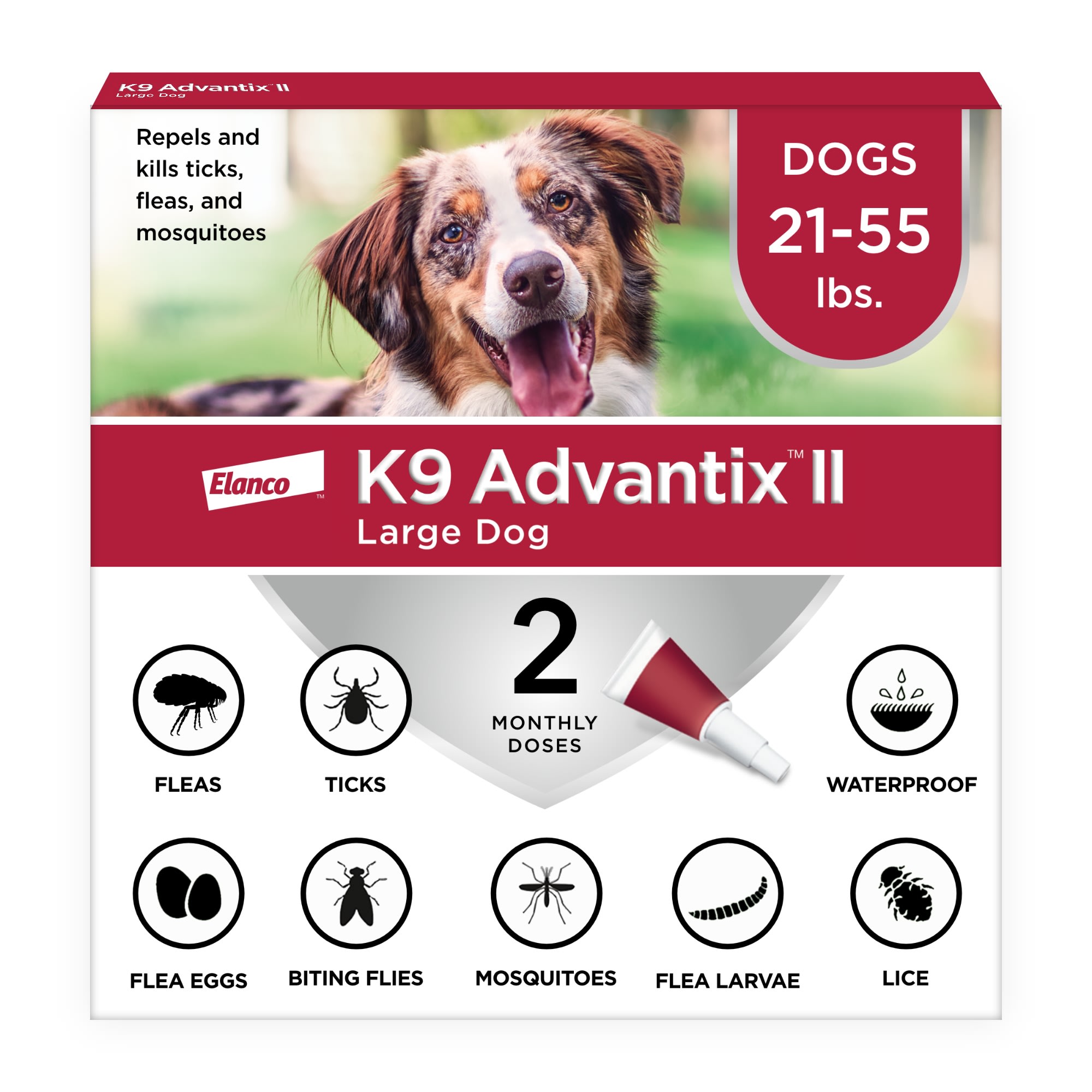
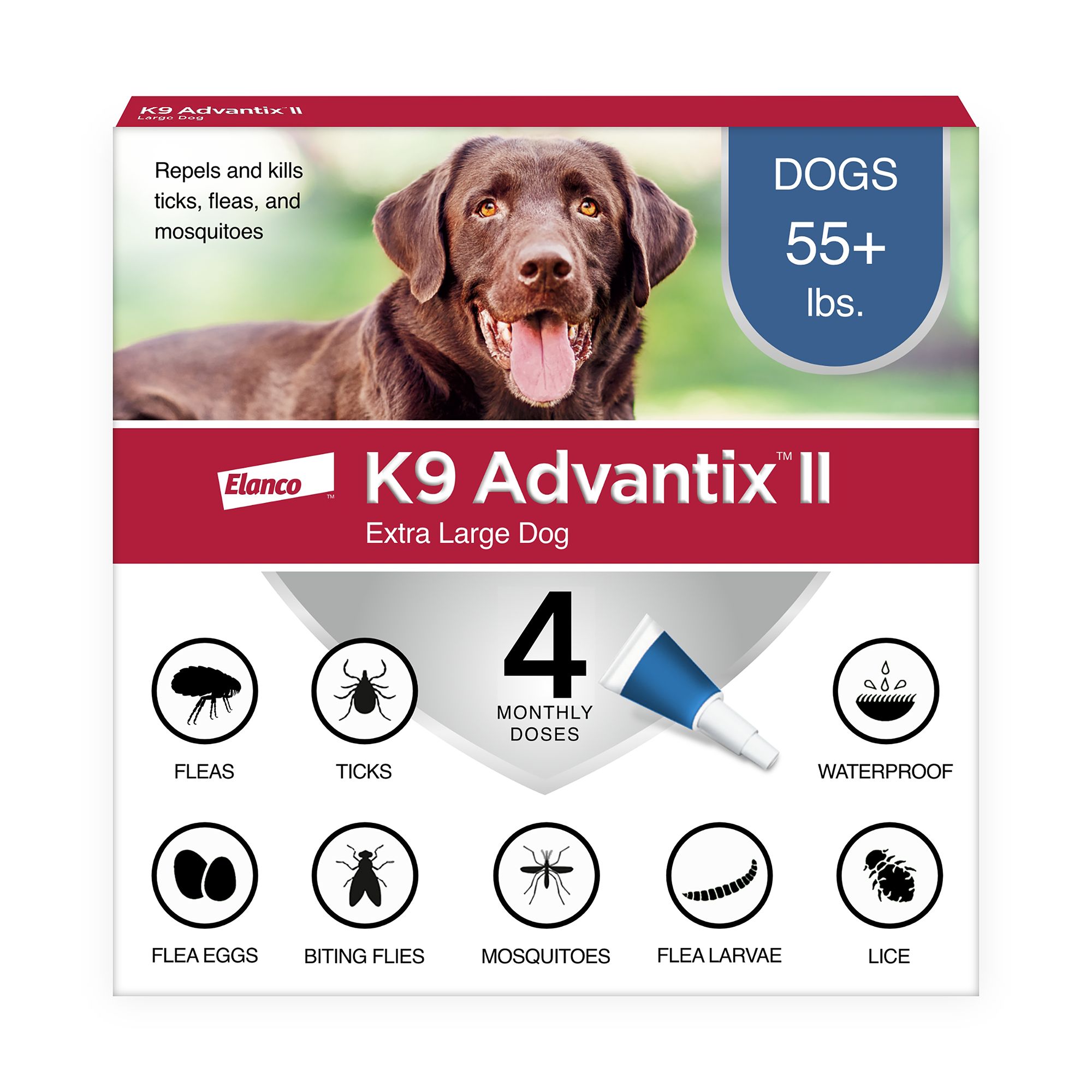
Top brands include Frontline, Advantix, and NexGard. Frontline offers spot-on treatments that repel and kill pests. Advantix combines protection against mosquitoes and ticks.
NexGard provides chewable tablets with monthly dosing. Seresto collars give long-lasting protection for up to eight months. Each brand has options to suit different needs and preferences.
Application Tips
Apply flea and tick products exactly as the label says. For spot-ons, part the fur and place on the skin. Avoid bathing your dog two days before and after application.
Check your dog’s weight before giving oral tablets. Keep collars snug but not too tight. Regularly inspect your dog for signs of fleas or ticks.
Credit: itie.rivilgroup.com
Combining Heartworm And Flea Protection
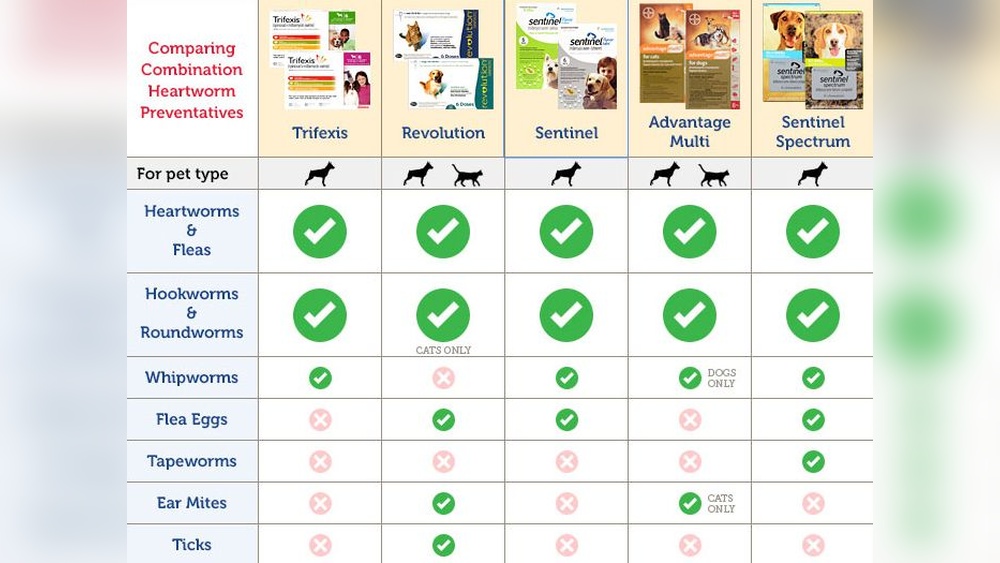
Protecting dogs from heartworms, fleas, and ticks is essential for their health. Combining heartworm and flea protection simplifies this task. It reduces the need for multiple treatments. This approach saves time and ensures continuous defense against pests.
Dual-purpose Products
Dual-purpose products fight heartworms, fleas, and ticks together. These medicines come in easy forms like chewables and topical treatments. One dose covers several parasites. This reduces the chance of missed doses and improves pet care.
Safety And Efficacy
Safety is key when using combined treatments. These products undergo tests to prove they are safe for dogs. They also show strong results in killing pests. Using one trusted product lowers the risk of side effects from multiple medicines.
Veterinarian Recommendations
Vets often suggest combined heartworm and flea treatments. They know which products suit different dog breeds and ages. A vet’s advice ensures the best protection plan. Regular check-ups help adjust treatment as needed for health and comfort.
Factors To Consider When Choosing Prevention
Choosing the right heartworm and flea and tick prevention helps keep dogs safe and healthy. Many factors affect which product works best for each dog. Think about age, health, lifestyle, and any allergies. These details guide the best choice for protection.
Dog’s Age And Health
Puppies and older dogs need gentle protection. Some products are not safe for very young or sick dogs. Always check if a product suits your dog’s current health condition. Consult a vet before starting any prevention method.
Lifestyle And Environment
Active dogs in outdoor areas face higher risks from fleas and ticks. Dogs living mostly indoors may need different protection. Consider how much time your dog spends outside. Also, know if your area has many parasites. This helps pick the right prevention product.
Allergies And Sensitivities
Some dogs react to chemicals in prevention products. Watch for skin irritation or unusual behavior after use. Choose hypoallergenic or natural options if your dog has allergies. Always test a small amount first to avoid reactions.
Administering Prevention Safely
Giving heartworm, flea, and tick prevention safely is key for your dog’s health. Proper use helps protect your dog from harmful parasites. It also reduces risks of side effects. Understanding how to give the right dose, watch for problems, and know when to call a vet is important.
Correct Dosage And Timing
Always follow the exact dosage on the product label. Too little might not protect your dog well. Too much can cause health issues. Give the prevention at the right time. Some medicines work best monthly, others quarterly. Keep a schedule to avoid missing doses.
Monitoring For Side Effects
Watch your dog after giving the medicine. Some dogs may show mild side effects. These include vomiting, itching, or tiredness. Most side effects go away quickly. Serious reactions are rare but need attention. Keep a close eye during the first 24 hours.
When To Consult A Vet
Call your vet if your dog acts very sick. Signs include difficulty breathing, swelling, or severe vomiting. Also seek help if side effects last more than a day. Your vet can advise on the best prevention options. They can also check your dog’s overall health.
Natural Alternatives And Home Remedies
Many dog owners seek natural ways to protect their pets from heartworm, fleas, and ticks. Natural alternatives and home remedies offer a gentle option without harsh chemicals. These methods can include essential oils, herbal sprays, and dietary supplements. They appeal to those who prefer a more holistic approach to pet care.
Natural remedies often aim to repel pests or boost the dog’s immune system. Some ingredients, like neem oil or garlic, are popular for their insect-repelling properties. While these methods can help, they may not fully protect dogs from serious diseases spread by parasites. Understanding their strengths and limits is important.
Effectiveness And Limitations
Natural remedies can reduce fleas and ticks on dogs to some extent. Oils like cedar or eucalyptus may keep pests away briefly. Herbal sprays might soothe irritated skin from bites. These methods rarely kill parasites completely or prevent heartworm infections. They work best as part of a larger protection plan. Sole reliance on natural products risks incomplete defense against parasites.
Combining With Conventional Treatments
Using natural remedies alongside vet-recommended medicines can improve protection. Conventional treatments often kill parasites and prevent heartworm effectively. Natural products can calm skin and reduce chemical use. Talk to a veterinarian before mixing treatments. Some natural oils may interfere with medications or cause allergies. A combined approach balances safety and pest control.
Precautions
Not all natural substances are safe for dogs. Essential oils can be toxic if applied incorrectly or in large amounts. Avoid products with strong fragrances or unknown ingredients. Always test a small skin area first for reactions. Keep natural remedies away from dog’s eyes and mouth. Consult a vet before starting any home remedy, especially for puppies or sick dogs.
Frequently Asked Questions
What Is The Best Heartworm Prevention For Dogs?
The best heartworm prevention depends on your dog’s health and lifestyle. Common options include monthly chewables or topical treatments. Consult your vet to select an effective, safe product tailored to your pet’s needs. Consistent use is key to preventing heartworm disease.
How Do Flea And Tick Preventions Work For Dogs?
Flea and tick preventions kill or repel parasites before they bite your dog. They come as collars, topical solutions, or oral medications. These products disrupt parasite life cycles, reducing infestations and protecting your dog from diseases spread by fleas and ticks.
Can I Use One Product For Heartworm And Flea Prevention?
Yes, some products protect against heartworm, fleas, and ticks simultaneously. These combination treatments simplify pet care by covering multiple parasites. Always verify product labels and consult your vet to ensure the chosen product suits your dog’s health and environment.
How Often Should I Give Flea And Tick Medicine To Dogs?
Most flea and tick preventions require monthly application or dosing. Some collars can last up to 8 months. Follow the specific product instructions and maintain a consistent schedule to ensure continuous protection against parasites.
Conclusion
Choosing the right prevention keeps your dog safe and healthy. Regular treatment stops heartworms, fleas, and ticks from causing harm. Talk to your vet about the best options for your dog’s needs. Consistency matters—use the prevention on time every month.
Protect your dog’s comfort and well-being year-round. Simple steps can prevent serious health problems later. Your dog will thank you with a happy, active life. Stay aware, stay safe, and enjoy your time together.