
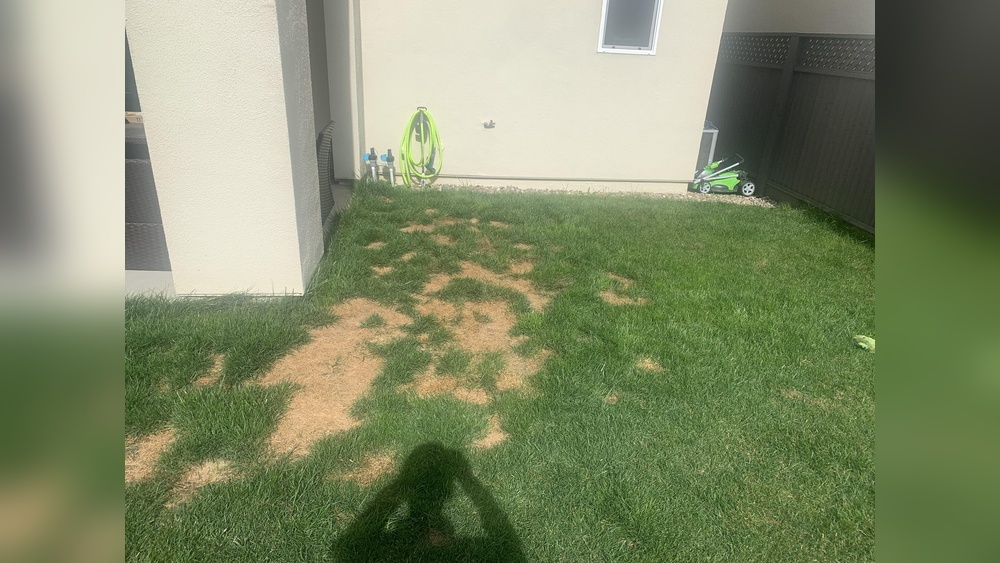
Is your lawn looking patchy or yellow in spots where your dog often goes? You’re not alone.
Dog urine can cause frustrating damage to your grass, making your yard look less green and inviting. But don’t worry—there are simple, effective lawn treatments that can help restore your lawn’s health and keep it looking fresh. You’ll discover the best lawn treatment for dog urine, so you can enjoy a beautiful yard without sacrificing your furry friend’s happiness.
Keep reading to find out how to protect your lawn and bring it back to life!
Effects Of Dog Urine On Lawns
Dog urine can harm lawns in many ways. The chemicals in urine affect grass health and growth. Understanding these effects helps keep your lawn green and healthy. Pet owners face unique lawn care challenges due to urine spots.
How Urine Damages Grass
Dog urine contains high nitrogen levels. Nitrogen burns grass, causing brown or yellow spots. The acidity in urine also harms grass roots. Damage appears quickly, often within hours. Repeated urination in the same spot worsens the damage. The grass may die and leave bare patches.
Common Lawn Problems From Pets
Urine spots create uneven color on lawns. Dead patches reduce the overall beauty of your yard. Over time, these spots may spread and multiply. Soil quality can decline due to urine buildup. This creates poor growing conditions for new grass. Pets also compact soil, making it hard for roots to grow.

Credit: www.southlandorganics.com
Preventive Measures For Lawn Protection
Protecting your lawn from dog urine damage starts with preventive measures. These steps help keep your grass green and healthy. Training your dog and making small lifestyle changes can reduce urine spots. Consistent care prevents lawn burn and keeps your yard beautiful.
Training Your Dog
Teach your dog where to go outside. Use positive reinforcement to guide them. Praise and treats help your dog learn quickly. Avoid scolding, as it can cause confusion. Regular training sessions build good habits over time.
Designated Potty Areas
Create a specific spot for your dog to relieve itself. Use gravel, mulch, or artificial turf there. This limits damage to your lawn. Clean the area often to reduce odors. Dogs prefer familiar places, so consistency is key.
Hydration And Diet Adjustments
Keep your dog well hydrated. Water dilutes urine, reducing lawn damage. Consult a vet about diet changes. Some foods affect urine concentration. Proper hydration and diet support overall health and lawn care.
Natural Lawn Treatments
Natural lawn treatments provide a safe way to protect your grass from dog urine damage. These methods avoid harsh chemicals and use everyday ingredients or plants. They help maintain a healthy lawn without harming pets or the environment.
Homemade Remedies
Simple homemade remedies can reduce urine stains on your lawn. Watering the spot right after your dog urinates helps dilute the acid. This keeps the grass from burning and turning brown. Using a mixture of water and mild soap can gently clean the area.
Using Vinegar And Baking Soda
Vinegar and baking soda are common household items that help neutralize urine. Spray a diluted vinegar solution on the affected spot to balance the soil’s pH. After a few hours, sprinkle baking soda to absorb odors and prevent damage. These natural products work well without harming your grass or pets.
Grass-repairing Plants
Certain grass types handle dog urine better than others. Consider planting ryegrass, fescue, or buffalo grass. These grasses recover quickly and resist burn spots. Adding clover to your lawn also helps improve soil health and cover damaged areas naturally.
Credit: www.revive.com
Commercial Lawn Products
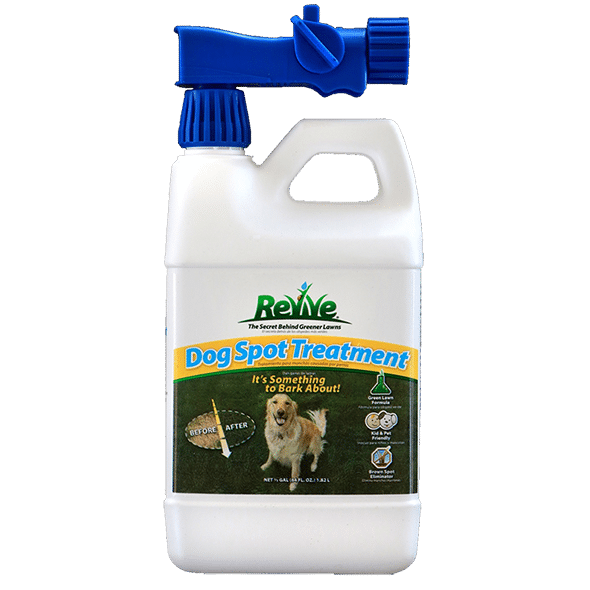
Commercial lawn products offer practical solutions for dog urine damage. They help restore your grass and protect it from future stains. These products come in different types, each targeting specific lawn problems caused by pet urine. Using the right product keeps your lawn green and healthy despite pet activity.
Enzyme-based Solutions
Enzyme-based solutions break down harmful urine compounds. They remove odors and prevent grass burn. These products use natural enzymes to clean soil and grass. Safe for pets and children, they improve lawn health gently. Regular use helps maintain a fresh and green yard.
Lawn Repair Kits
Lawn repair kits include seeds, soil, and fertilizer. They help fill in dead or damaged patches. Easy to apply, they speed up grass regrowth. Many kits have instructions for best results. Using a kit brings back a lush lawn fast.
Fertilizers Safe For Pets
Fertilizers safe for pets nourish grass without harm. They avoid toxic chemicals that pets might ingest. These fertilizers boost lawn strength and color. Applying them regularly improves grass resilience. Your lawn stays healthy and your pets stay safe.
Lawn Care Tips After Urine Damage
Dog urine can harm your lawn by causing yellow or brown patches. These patches happen because urine has high nitrogen and salts. These chemicals can burn grass and stop it from growing well. Fixing urine damage needs careful lawn care steps. Follow these tips to help your grass recover and stay green.
Taking good care of your lawn after urine damage helps it grow back faster. Use proper watering, aeration, overseeding, and soil checks. These steps improve soil health and grass strength. Your lawn can become lush and healthy again with the right care.
Proper Watering Techniques
Water your lawn deeply and slowly. This helps dilute urine salts and nitrogen. Water the damaged spots right after your dog urinates. Use about one inch of water to wash away the urine. Avoid overwatering, which can lead to root rot. Water in the early morning for best results.
Aeration And Overseeding
Aerate your lawn to improve air and water flow to the roots. Use a garden fork or a machine to make holes in the soil. This helps the grass recover from damage faster. After aeration, spread grass seed over bare or thin areas. Choose a seed that matches your lawn type. Keep the soil moist until new grass grows.
Soil Testing And Amendments
Test your soil to check its pH and nutrient levels. Urine can make soil too acidic or salty. Use a soil test kit or send samples to a lab. Add lime if soil is too acidic. Add gypsum to reduce soil salt levels. Proper soil balance helps grass grow strong and healthy.
Choosing Dog-friendly Grass Types
Choosing dog-friendly grass types helps keep your lawn green and healthy. Dog urine can cause brown spots and damage. Picking the right grass reduces this damage and saves time on repairs. Some grasses handle wear and tear better. Others resist the effects of urine. Knowing which types work best makes a big difference for pet owners.
Durable Grass Varieties
Durable grass types handle heavy use well. They recover quickly from wear and tear. Kentucky bluegrass is tough and grows fast. It fills bare spots easily. Perennial ryegrass also stands up to traffic. It has deep roots that help it stay strong. Tall fescue is another good choice. It tolerates drought and foot traffic. These grasses keep your lawn looking good despite regular dog activity.
Grass That Resists Urine Damage
Some grasses resist the effects of dog urine better. Fescues have high tolerance for urine salts. Fine fescue is softer and handles urine well. Bermuda grass also shows good resistance. It grows densely and recovers fast. Zoysia grass forms a thick mat that blocks damage. Choosing these types lowers brown spots from urine. They keep your lawn greener for longer.
Maintaining A Healthy Lawn With Pets
Keeping a healthy lawn with pets requires care and attention. Dog urine can cause brown spots and damage grass. Understanding how to care for your lawn helps keep it green and fresh. Simple steps protect your yard from pet-related wear.
Regular Lawn Maintenance
Mow your lawn at the right height to promote strong grass roots. Water the grass deeply and less often to help it grow healthy. Remove dead grass and debris to prevent disease. Use pet-safe fertilizers to avoid harming your dog and lawn. Check for patches and reseed early to stop damage from spreading.
Seasonal Care Strategies
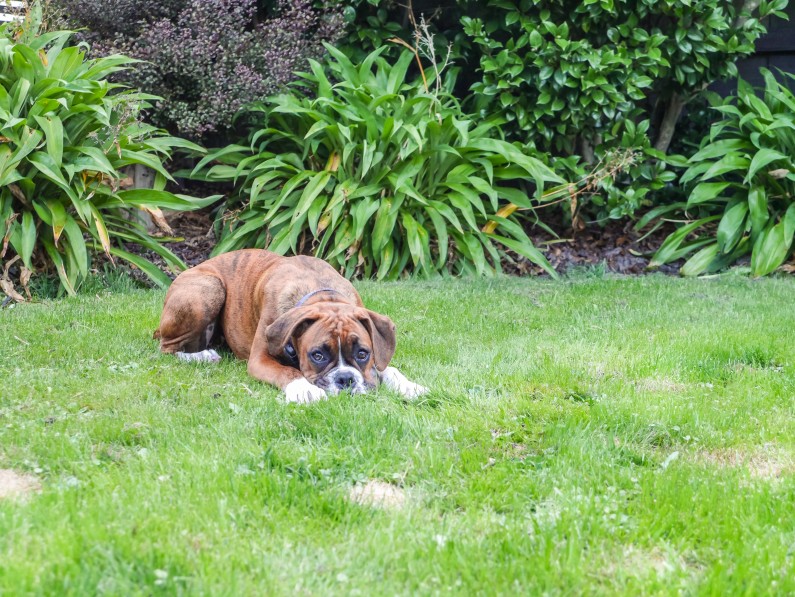
In spring, prepare the soil and add nutrients to support growth. Summer needs extra watering, especially in dry weather, to reduce stress on grass. Fall is the best time to fertilize and repair damaged areas. Winter care includes clearing leaves and avoiding heavy foot traffic to protect grass roots. Each season has tasks that keep your lawn strong despite pet activity.
Credit: www.turftechnologies.co.nz
Frequently Asked Questions
What Is The Best Lawn Treatment For Dog Urine Damage?
The best lawn treatment for dog urine is using a nitrogen-neutralizing product. These treatments balance soil pH and reduce yellow spots. Regular watering and reseeding also help restore damaged grass areas efficiently.
How Can I Prevent Dog Urine From Killing My Lawn?
Prevent lawn damage by training your dog to use a designated area. Water the spot immediately after urination to dilute urine concentration. Applying soil amendments like gypsum can also neutralize harmful salts in the soil.
Are Natural Remedies Effective For Dog Urine Lawn Damage?
Yes, natural remedies like vinegar and baking soda can help neutralize urine acidity. However, they work best when combined with proper watering and lawn care. For severe damage, professional lawn treatments may be more effective.
How Often Should I Treat My Lawn For Dog Urine?
Treat your lawn every 2 to 4 weeks during active dog outdoor time. Regular treatment prevents buildup of nitrogen and salts that cause grass burn. Consistent care ensures a healthier and greener lawn.
Conclusion
Treating dog urine spots quickly keeps your lawn green and healthy. Use lawn treatments designed to balance soil and reduce damage. Watering the area after your dog urinates helps dilute harmful salts. Regular lawn care with fertilizers supports grass growth and repair.
Choose pet-safe products to protect your dog and the environment. Small actions add up to a beautiful yard. Keep your lawn fresh and enjoy time outside together. Consistent care makes all the difference in lawn health. Your grass will thank you for the effort.


