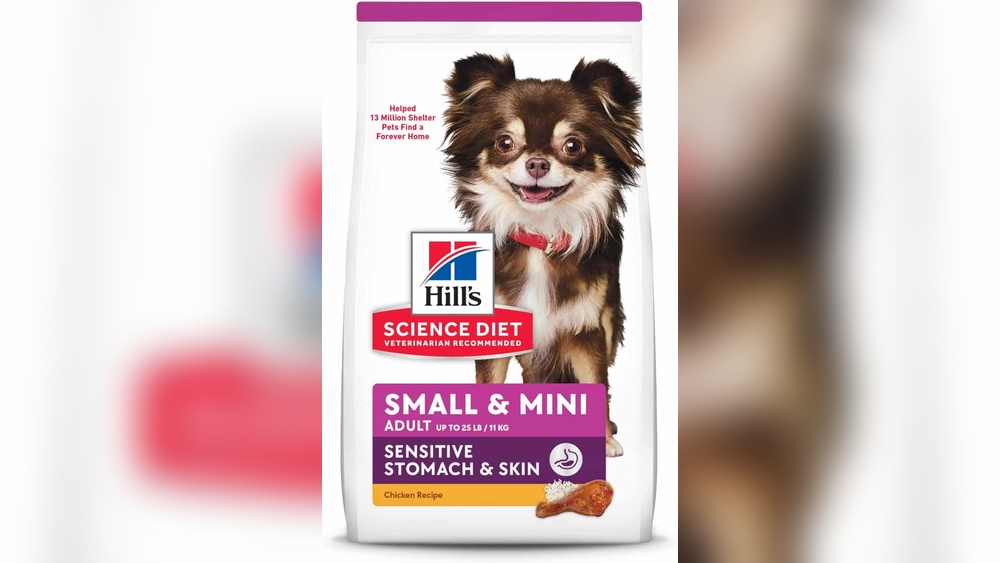
If you have a Chihuahua, you know how special and full of energy these tiny dogs are. But did you know that the right food can make a huge difference in their health and happiness?
Choosing the best food for your Chihuahua isn’t just about filling their bowl—it’s about giving them the nutrients they need to stay lively and strong. You’ll discover the top foods that keep your little companion healthy, happy, and full of life.
Keep reading to find out exactly what your Chihuahua needs to thrive every day!
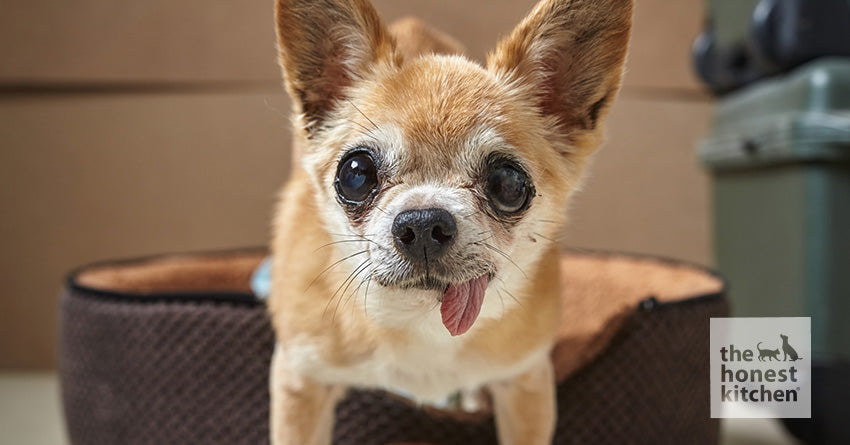
Credit: www.thehonestkitchen.com
Chihuahua Nutritional Needs
Chihuahuas are tiny dogs with big energy. Their small size means their food must be just right. They need special care in their diet to stay healthy and lively. Feeding them properly helps their coat shine and keeps their teeth strong.
Essential Nutrients For Small Breeds
Chihuahuas need proteins to build muscles and keep energy high. Healthy fats help their skin and coat stay soft. Carbohydrates provide fuel, but they must be easy to digest. Vitamins and minerals support their immune system and bone health. Small breeds need balanced nutrition in every meal.
Calorie Requirements
Chihuahuas burn calories fast due to their high metabolism. They need fewer calories than bigger dogs but must eat often. About 40 to 60 calories per pound is a good target. Overfeeding can cause weight problems, which strain their tiny joints. Proper portion control keeps them fit and active.
Common Dietary Challenges
Small mouths mean Chihuahuas need small, soft kibble. They may have picky eating habits and get bored easily. Digestive issues can arise from sudden food changes. Avoid giving them human snacks that upset their stomach. Consistency and high-quality food prevent many feeding problems.
Top Protein Sources
Protein is a key part of a Chihuahua’s diet. It helps build strong muscles and keeps their energy up. Choosing the right protein sources supports their health and digestion. Here are the best protein options for your small dog.
Lean Meats
Lean meats are easy to digest and full of protein. Chicken breast, turkey, and lean cuts of beef work well. These meats provide essential amino acids without too much fat. Cook them plain, without spices or sauces, for the best results.
Fish And Seafood
Fish offers high-quality protein and healthy fats. Salmon and white fish like cod are gentle on a Chihuahua’s stomach. Seafood provides omega-3 fatty acids that help their skin and coat stay shiny. Always cook fish thoroughly and remove bones before serving.
Plant-based Proteins
Plant proteins are a good option for dogs with allergies. Peas, lentils, and chickpeas supply protein and fiber. These ingredients support digestion and add variety. Use plant proteins in balanced dog foods or mix them with meat for a healthy meal.
Healthy Carbohydrates
Healthy carbohydrates provide essential energy for Chihuahua dogs. These carbs support their active lifestyle and help maintain good digestion. Choosing the right carbohydrates is important for their small size and sensitive stomachs.
Chihuahuas benefit from natural, unprocessed carbohydrates. These carbs offer steady energy without causing sugar spikes. Balanced carbs also help keep their weight in check.
Whole Grains
Whole grains are rich in fiber and nutrients. Brown rice, oatmeal, and barley make good options. They digest slowly, giving lasting energy. Whole grains also help keep the digestive system healthy.
Avoid grains with added salt or artificial flavors. Plain, cooked grains suit Chihuahuas best. These grains add bulk to meals without extra calories.
Vegetables
Vegetables provide vitamins, minerals, and fiber. Carrots, green beans, and sweet potatoes are excellent choices. These veggies support immune health and digestion.
Cook vegetables until soft for easier chewing. Avoid onions, garlic, and other harmful veggies. Fresh or steamed vegetables blend well into meals.
Fruits
Fruits offer natural sugars and antioxidants. Blueberries, apples, and bananas are safe snacks. They add flavor and nutrients to your dog’s diet.
Remove seeds and cores before feeding fruits. Give fruits in small amounts to prevent stomach upset. Fresh fruits make tasty, healthy treats for Chihuahuas.
Fats And Oils For Energy
Fats and oils are vital for Chihuahua dogs. They provide a rich source of energy. Small dogs burn energy quickly and need fats to stay active. Good fats help maintain healthy skin and a shiny coat. They also support brain function and overall health. Choosing the right fats improves your dog’s vitality and well-being.
Omega-3 And Omega-6 Fatty Acids
Omega-3 and Omega-6 are essential fatty acids. They help reduce inflammation and support the immune system. These fats promote healthy skin and a soft coat. Fish oil and flaxseed oil are great sources of Omega-3. Chicken fat and sunflower oil provide Omega-6. A balanced ratio of these fats is important. It keeps your Chihuahua’s coat smooth and skin itch-free.
Healthy Cooking Oils
Healthy oils add good fats to your dog’s diet. Olive oil is gentle on the stomach and full of antioxidants. Coconut oil supports digestion and adds quick energy. Avoid oils with trans fats or artificial additives. Use oils in small amounts to avoid weight gain. Drizzle a little oil over their food to boost energy. Cooking with healthy oils keeps your Chihuahua lively and happy.
Vitamins And Minerals
Vitamins and minerals are crucial for Chihuahua dogs. They help keep your pet healthy and active. These nutrients support many body functions. From strong bones to a shiny coat, vitamins and minerals play key roles. Choosing food with the right balance is important for your Chihuahua’s well-being.
Bone Health Support
Calcium and phosphorus are vital for strong bones. These minerals help build and maintain bone structure. Vitamin D helps the body absorb calcium effectively. Chihuahuas need these nutrients to prevent bone problems. Foods rich in these elements keep their tiny bones healthy.
Immune System Boosters
Vitamins A, C, and E strengthen the immune system. They protect Chihuahuas from illnesses and infections. Zinc also supports immune health and wound healing. A strong immune system helps your dog stay energetic and happy.
Coat And Skin Care
Vitamin E and omega fatty acids improve skin and coat health. These nutrients reduce dryness and itching. They make your Chihuahua’s fur soft and shiny. A healthy coat reflects good nutrition and care.
Best Commercial Dog Foods
Choosing the best commercial dog food for your Chihuahua is important. These small dogs need food that fits their size and energy level. Good commercial foods offer balanced nutrition to keep them healthy and active. They come in different types to suit your dog’s taste and needs.
Dry Kibble Options
Dry kibble is popular and easy to store. It helps keep your Chihuahua’s teeth clean. Look for small-sized kibble made for small breeds. Choose formulas with real meat as the first ingredient. Avoid foods with too many fillers like corn or soy. Good kibble provides energy and supports a healthy coat.
Wet Food Choices
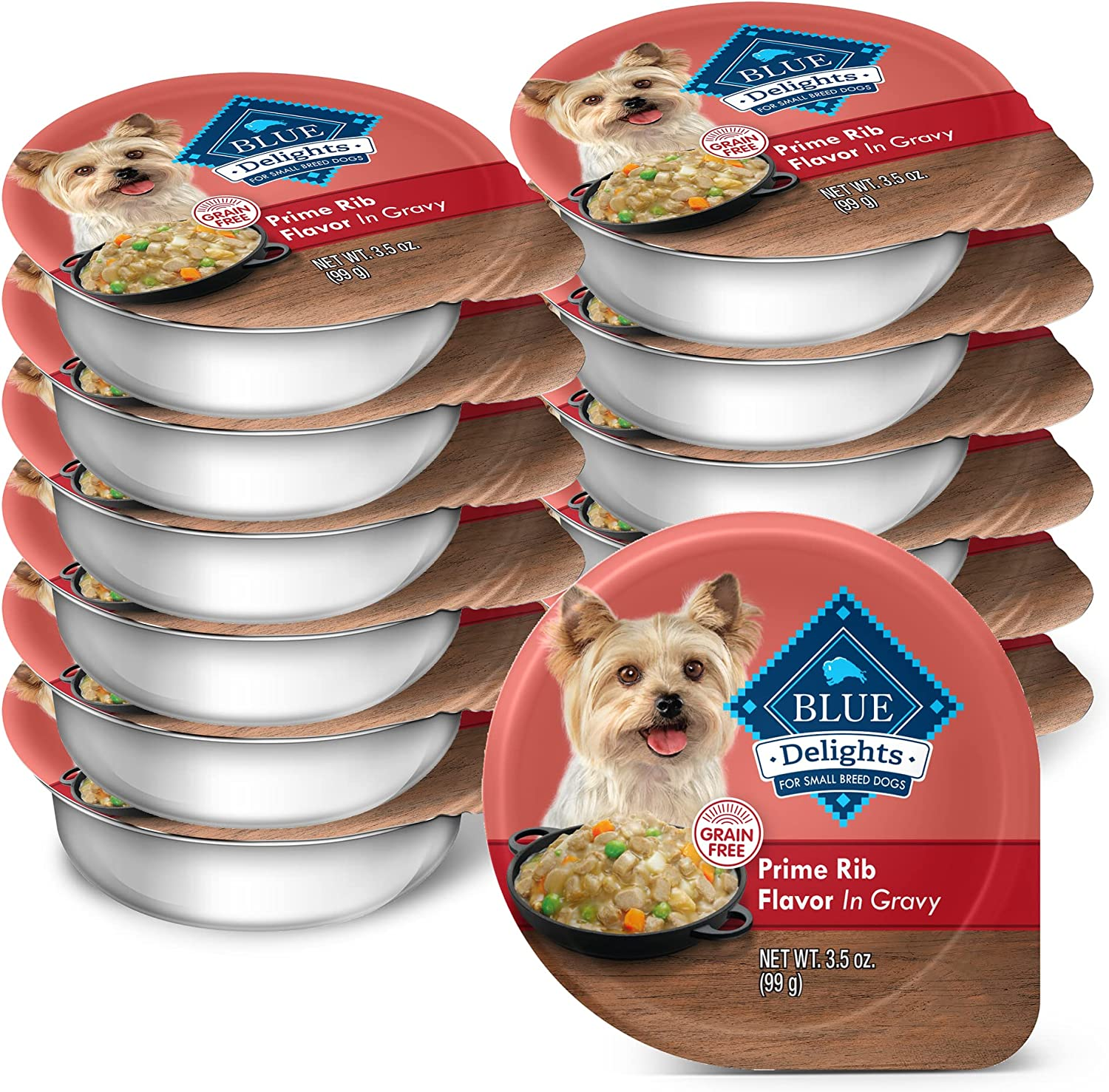
Wet food is soft and easy to eat. It contains more moisture, which helps keep dogs hydrated. Select wet food with high-quality protein and simple ingredients. This type of food is great for picky eaters or older dogs. It adds variety to your Chihuahua’s diet and can improve appetite.
Grain-free Alternatives
Grain-free dog food avoids wheat, corn, and soy. It suits dogs with allergies or sensitive stomachs. These foods use potatoes, peas, or lentils as carbs. Pick grain-free options with balanced vitamins and minerals. Grain-free diets can help reduce itching or digestive issues in some Chihuahuas.
Homemade Meal Ideas
Feeding your Chihuahua homemade meals can be a great way to control their diet. You know exactly what goes into their food. Fresh ingredients make their meals tasty and nutritious. Homemade food also helps avoid fillers and artificial additives found in some commercial dog foods.
Here are some easy ideas to prepare healthy and balanced meals for your little friend.
Balanced Recipes
Start with a good protein source like chicken, turkey, or lean beef. Add cooked vegetables such as carrots, peas, or green beans. Include a small portion of cooked rice or sweet potato for energy. Mix these ingredients well to create a balanced meal. Remember to keep portions small to match your Chihuahua’s size.
Safe Ingredients
Use only dog-safe foods in your recipes. Avoid onions, garlic, grapes, and chocolate. These are toxic to dogs. Stick to fresh vegetables and lean meats. Avoid too much salt or spices. Plain, natural ingredients keep your pet healthy and happy.
Meal Prep Tips
Prepare meals in batches to save time. Store portions in the fridge or freezer. Thaw frozen meals before serving. Keep meals fresh by using airtight containers. Always wash your hands and cooking tools well to prevent contamination.

Credit: sjaakvanhuenen.nl
Foods To Avoid
Choosing the right food for your Chihuahua is important for its health. Some foods can harm your small dog. Avoid these foods to keep your pet safe and happy. Know which ingredients and treats to keep away from your Chihuahua’s diet. This helps prevent health problems and ensures a long life.
Toxic Ingredients
Certain foods are toxic to Chihuahuas. Chocolate contains substances harmful to dogs. Grapes and raisins can cause kidney failure. Onions and garlic may damage their red blood cells. Avoid foods with xylitol, an artificial sweetener. It can cause low blood sugar and liver damage.
Choking Hazards
Chihuahuas have small mouths and throats. Large bones and hard treats can block their airway. Avoid giving them whole nuts or big chunks of meat. Hard rawhide chews may also cause choking. Cut food into tiny pieces before feeding your dog.
Allergens For Chihuahuas
Some Chihuahuas have food allergies. Common allergens include wheat, corn, and soy. Dairy products can cause stomach upset. Eggs might trigger allergic reactions in some dogs. Watch your Chihuahua closely after feeding new foods. Remove any food that causes itching or digestive problems.
Feeding Schedules And Portions
Supplements and treats play a key role in a Chihuahua’s diet. They can support health and provide rewards during training. But choosing the right ones is important. Not all supplements and treats are safe or helpful. This section explains when to use supplements, healthy treat options, and how to avoid overfeeding your small dog.
When To Use Supplements
Supplements help fill gaps in your Chihuahua’s nutrition. Use them if your dog lacks certain vitamins or minerals. Older dogs may need joint supplements for better mobility. Puppies might benefit from extra calcium for bone growth. Always ask your vet before starting any supplements. Overuse can cause health problems. Supplements should support, not replace, a balanced diet.
Healthy Treat Options
Pick treats that add nutrition, not just empty calories. Small pieces of cooked chicken or turkey work well. Baby carrots and green beans make crunchy, low-calorie snacks. Avoid sugary or salty treats that can harm your Chihuahua’s teeth and health. Natural treats with limited ingredients reduce allergy risks. Use treats to reward good behavior, not as meal replacements.
Avoiding Overfeeding
Chihuahuas are tiny dogs with small stomachs. Too many treats can lead to weight gain and health issues. Limit treats to 5-10% of daily calories. Measure treats carefully and count them in daily intake. Avoid free-feeding treats throughout the day. Keep your dog active with regular play to maintain a healthy weight. Balanced feeding ensures your Chihuahua stays fit and happy.
Credit: cuisinesansfrontieres.ch
Frequently Asked Questions
What Is The Best Food Type For Chihuahua Dogs?
High-quality dry kibble specially formulated for small breeds is ideal. It supports dental health and provides balanced nutrition. Wet food can be mixed for added moisture. Always choose foods rich in protein, healthy fats, and essential vitamins for Chihuahuas.
How Often Should I Feed My Chihuahua Daily?
Feed adult Chihuahuas two small meals per day. Puppies need three to four meals daily. Regular feeding prevents hypoglycemia, common in this breed. Consistent meal times help maintain their energy and digestion effectively.
Can Chihuahuas Eat Human Food Safely?
Some human foods like cooked chicken and vegetables are safe. Avoid chocolate, onions, grapes, and anything toxic to dogs. Always consult your vet before introducing new foods to prevent health issues.
What Nutrients Are Essential For Chihuahua Diets?
Protein, healthy fats, vitamins, and minerals are crucial. Protein supports muscle health, fats provide energy, and vitamins boost immunity. Balanced nutrition ensures your Chihuahua stays active and healthy.
Conclusion
Choosing the right food helps your Chihuahua stay healthy and happy. Small dogs need meals rich in nutrients and easy to chew. Avoid foods that cause allergies or upset their stomach. Fresh water should always be available for your pet.
Watch their weight and adjust portions as needed. Feeding your Chihuahua well supports a long, active life. Trust your instincts and observe how your dog reacts to food. A balanced diet makes a big difference every day. Careful feeding means a joyful, energetic little companion.