
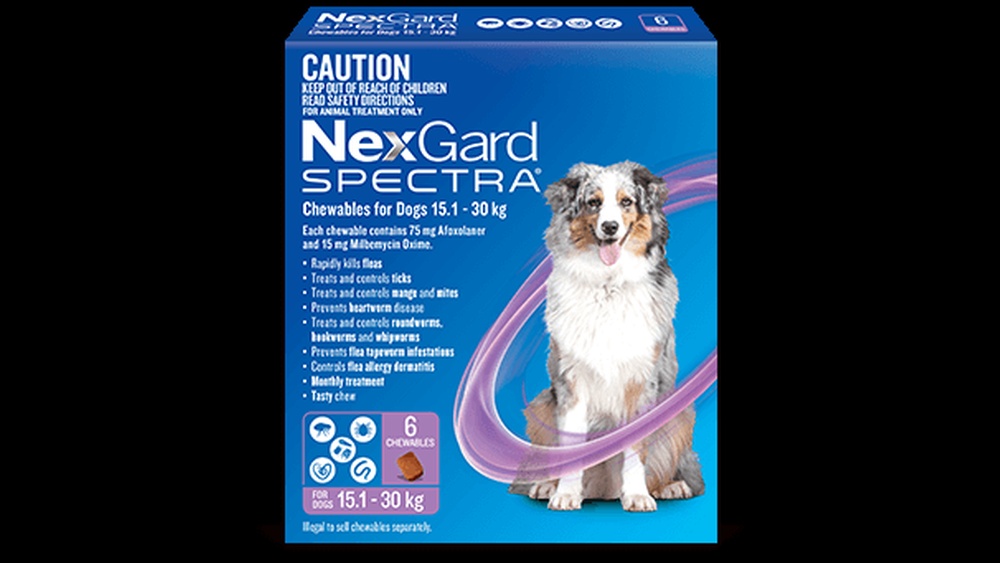
Are you worried about parasites making your dog uncomfortable or sick? Finding the best anti parasite treatment for dogs is key to keeping your furry friend healthy and happy.
Parasites like fleas, ticks, and worms can cause serious problems if left unchecked. But with so many options out there, how do you choose the right one for your dog? This article will guide you through the safest and most effective treatments available.
By the end, you’ll know exactly how to protect your dog from these unwanted pests and enjoy peace of mind every day. Keep reading—you and your dog deserve the best care possible.

Credit: www.sciencedirect.com
Common Parasites Affecting Dogs
Dogs can get many types of parasites. These parasites can live inside or outside their bodies. Parasites cause health problems and discomfort for dogs. Knowing the common parasites helps in protecting your pet. Early detection is key to effective treatment.
Types Of Internal Parasites
Internal parasites live inside a dog’s body. They often affect the stomach and intestines. Common internal parasites include roundworms, hookworms, whipworms, and tapeworms. Heartworms are another dangerous internal parasite. These parasites can cause weight loss, vomiting, and diarrhea. They spread through contaminated soil, food, or mosquito bites.
Types Of External Parasites
External parasites live on the dog’s skin or fur. Fleas, ticks, and mites are the most common. These parasites cause itching, hair loss, and skin infections. Fleas bite and cause allergic reactions. Ticks can spread serious diseases. Mites cause scabies and other skin problems. Regular checks and treatments help keep these parasites away.
Symptoms Of Parasite Infestation
Parasite infestations show many signs in dogs. Watch for constant scratching or biting at the skin. Sudden weight loss or poor appetite is common. Diarrhea, vomiting, and bloated belly are warning signs. Pale gums and weakness may appear in severe cases. Early symptoms can be mild but worsen quickly. Regular vet visits help catch infestations early.
Criteria For Effective Treatments
Choosing the best anti parasite treatment for dogs depends on several important factors. These factors ensure the treatment works well and keeps your pet safe. Understanding these criteria helps in picking the right product for your dog’s health.
Safety And Side Effects
Safety is the top priority. The treatment must not harm your dog. Watch for common side effects like itching, vomiting, or tiredness. A good product has few or no side effects. Always choose treatments approved by vets or health authorities.
Ease Of Administration
The treatment should be easy to give. Pills, sprays, or topical solutions work best when simple to use. Dogs often resist complicated treatments. Easy administration helps keep the treatment routine consistent and stress-free for both pet and owner.
Speed And Duration Of Action
Fast-acting treatments relieve parasites quickly. This prevents further harm to your dog. Long-lasting effects reduce the need for frequent doses. A treatment that acts fast and lasts long saves time and protects your dog better.
Top Oral Anti-parasite Medications
Oral anti-parasite medications are a popular choice to protect dogs from harmful parasites. They are easy to give and work inside the dog’s body to kill worms and other pests. These medications help keep dogs healthy by fighting parasites like roundworms, hookworms, and tapeworms.
Choosing the right oral medication depends on many factors, including the type of parasite and your dog’s health. Some options require a vet’s prescription, while others can be bought at pet stores or online. Understanding these choices helps pet owners pick the best treatment for their dogs.
Prescription Options
Prescription oral medications offer strong protection against many parasites. Vets prescribe drugs like milbemycin oxime and praziquantel. These medicines target a wide range of worms and some external parasites. They often require a vet’s approval to ensure safety and correct dosage.
Prescription treatments usually work fast and have tested results. They may come with specific instructions on how often to give the medicine. These options are best for dogs with heavy infections or special health needs.
Over-the-counter Choices
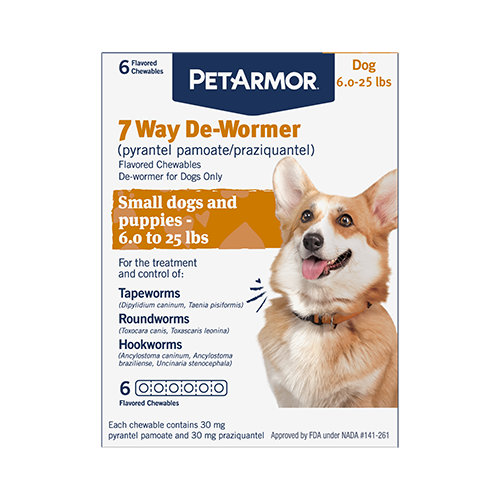
Over-the-counter oral medications are easy to find and use. These include products like pyrantel pamoate and fenbendazole. Many pet owners prefer these for mild cases or regular parasite prevention. They can be bought without a vet’s prescription at pet shops or online.
These medicines are generally safe but may not cover all types of parasites. Some require multiple doses over several days. Always read the label carefully to understand the treatment schedule and dosage.
Pros And Cons Of Oral Treatments
Oral anti-parasite treatments are simple to give and usually well accepted by dogs. They do not leave residue on the skin and work inside the body. Oral meds often provide quick relief from parasites.
On the downside, some dogs may resist taking pills. Certain oral drugs might cause mild side effects like vomiting. They may not protect against all parasites, so combining with other treatments could be necessary.

Credit: thevets.com
Best Topical Solutions For Parasites
Topical solutions protect dogs from parasites on their skin and fur. These treatments kill fleas, ticks, and mites effectively. They are easy to apply and work fast. Many dog owners prefer topical options for quick parasite control.
Spot-on Treatments
Spot-on treatments are liquid drops applied to the dog’s back. They spread over the skin and kill parasites. These treatments often last for a month or more. They protect against fleas, ticks, and sometimes mosquitoes. Spot-on treatments are water-resistant, so baths do not reduce their effect. Apply the drops on dry skin, part the fur, and place the liquid directly on the skin.
Shampoos And Sprays
Shampoos clean the dog’s coat and kill parasites on contact. They are best for immediate relief from fleas and ticks. Sprays can cover large areas quickly and reach spots shampoos might miss. Both shampoos and sprays provide short-term protection. Use them regularly to keep parasites away. These products are good for dogs who cannot use spot-on treatments.
Effectiveness And Application Tips
Follow product instructions carefully for best results. Apply spot-on treatments monthly for continuous protection. Use shampoos and sprays as directed, usually once or twice a week. Avoid washing the dog for two days after spot-on application. Check your dog’s skin for irritation after use. Combine topical treatments with regular grooming to keep parasites away.
Natural And Alternative Remedies
Natural and alternative remedies offer gentle ways to protect dogs from parasites. These options use plants and natural ingredients to help keep dogs healthy. Many pet owners prefer these treatments to avoid harsh chemicals.
Natural methods can support your dog’s immune system and reduce parasite risks. They work best combined with good hygiene and regular vet check-ups. Using these remedies carefully can promote your dog’s well-being without side effects.
Herbal Treatments
Herbs like neem, garlic, and wormwood help fight parasites naturally. Neem leaves contain compounds that repel fleas and ticks. Garlic can prevent worms but must be given in small amounts to avoid harm.
Wormwood is known for its ability to expel intestinal worms. These herbs can be given as powders, teas, or capsules. Always use the right dosage for your dog’s size and health.
Dietary Supplements
Supplements like pumpkin seeds, coconut oil, and probiotics aid parasite control. Pumpkin seeds have enzymes that kill internal parasites. Coconut oil supports skin health and may repel fleas.
Probiotics improve digestion and boost the immune system. These supplements help create an environment where parasites cannot thrive. Adding them to your dog’s diet can improve overall health.
Limitations And Precautions
Natural remedies do not replace veterinary care for serious infestations. Some herbs and supplements can cause allergic reactions or toxicity. Always consult a vet before starting any new treatment.
Monitor your dog closely for side effects or worsening symptoms. Not all natural products are safe for every dog breed or age. Use these remedies carefully and follow professional advice to keep your dog safe.
Credit: petarmor.com
Preventive Measures And Regular Care
Preventive measures and regular care play a key role in keeping dogs free from parasites. Consistent attention helps stop infestations early. It protects your dog’s health and comfort. Understanding simple steps can make a big difference. Here are some important practices to maintain your dog’s well-being.
Routine Vet Check-ups
Regular visits to the vet help spot parasites early. Vets can recommend the best treatments and preventives. They check for signs that are hard to see at home. Keeping appointments ensures your dog stays parasite-free and healthy. Early detection reduces risks and costs.
Environmental Control
Parasites live in soil, grass, and other areas. Cleaning your dog’s play and rest areas often reduces exposure. Keep lawns trimmed and remove waste quickly. Avoid places known for parasite problems. Controlling the environment limits your dog’s chance to pick up parasites.
Hygiene Practices
Good hygiene helps prevent parasite infections. Bathe your dog regularly with vet-approved shampoos. Brush their coat to remove dirt and pests. Clean bedding and toys frequently. Wash your hands after handling your dog. These habits lower parasite risks and promote health.
Choosing The Right Treatment For Your Dog
Choosing the right anti-parasite treatment for your dog is important for their health. Different dogs need different care. Your dog’s age, health, and lifestyle all play a role. The right treatment keeps your dog safe and happy. It also stops parasites from causing serious problems.
Consulting Your Veterinarian
Your vet knows what is best for your dog. They can check your dog’s health and find the right medicine. Vets also watch for side effects and adjust treatment if needed. Always ask your vet before starting any treatment. Their advice helps protect your dog safely.
Considering Dog’s Age And Health
Puppies, adults, and older dogs need different care. Some medicines are too strong for young dogs. Dogs with health issues need gentle treatments. Your dog’s weight also affects medicine dosage. Choose treatments that suit your dog’s unique needs for safe results.
Combining Treatments For Best Results
Using more than one treatment can fight parasites better. Some treatments work on fleas, others on ticks or worms. Combining treatments stops parasites from coming back fast. Always check with your vet before mixing medicines. This keeps your dog safe and healthy.
Emerging Treatments And Future Trends
New ways to treat parasites in dogs are coming soon. These treatments aim to be safer, easier, and more effective. Researchers and companies are working hard to find better solutions. This progress helps dogs stay healthy and happy.
New Medications In Development
Scientists are creating new drugs to fight parasites. These medicines target parasites with fewer side effects. Some work faster and kill a wider range of parasites. They also help reduce resistance that parasites can develop.
Innovative Delivery Methods
New ways to give medicine to dogs are emerging. Chewable tablets, spot-on treatments, and long-lasting injections are popular. These methods make treatment less stressful for dogs and owners. Some delivery systems release medicine slowly for better protection.
Research Advances In Parasite Control
Studies are improving our understanding of parasites and dogs. Researchers explore parasite life cycles to find weak points. Genetic research helps design precise treatments. New tests allow early parasite detection for quicker action.
Frequently Asked Questions
What Is The Best Anti Parasite Treatment For Dogs?
The best treatment depends on the parasite type and dog’s health. Common options include oral medications, topical treatments, and collars. Always consult a vet to choose a safe, effective product tailored to your dog’s needs.
How Often Should Dogs Receive Anti Parasite Treatment?
Most dogs need treatment every 1 to 3 months, depending on the product and parasite risk. Regular treatment helps prevent infestations and keeps dogs healthy. Follow your vet’s advice for the optimal schedule.
Are Natural Anti Parasite Remedies Effective For Dogs?
Natural remedies may help repel parasites but are usually less effective than veterinary treatments. They can be used as supplements but not substitutes. Always discuss natural options with your vet to ensure your dog’s safety and health.
Can Anti Parasite Treatment Prevent All Dog Parasites?
No single treatment prevents all parasites. Different products target specific parasites like fleas, ticks, or worms. Combining treatments and regular vet checkups provide the best protection against multiple parasites.
Conclusion
Choosing the right anti-parasite treatment keeps dogs healthy and happy. Regular checks help spot parasites early. Always follow your vet’s advice for the best care. Safe treatments protect your dog from harmful bugs. Clean living spaces reduce parasite risks. Simple steps make a big difference in your dog’s health.
Protect your furry friend with care and attention. Stay informed and act quickly if problems appear. Healthy dogs mean joyful moments for everyone.

