
If you want to keep your dog happy and healthy, choosing the right bones to give them is key. Not all bones are safe or good for your furry friend.
Some can cause harm, while others can help clean teeth and provide hours of fun. You’ll discover the best bones that are safe, tasty, and beneficial for your dog. Keep reading to find out how to make the best choice for your loyal companion’s well-being.

Credit: www.visco-foam.com
Why Bones Matter For Dogs
Bones have been a favorite treat for dogs for centuries. They offer more than just a tasty snack. Bones play a key role in a dog’s health and happiness. Giving the right bones can support your dog’s teeth, mind, and body. Understanding why bones matter helps you choose the best ones for your pet.
Dental Benefits
Chewing on bones helps clean a dog’s teeth. It removes plaque and tartar buildup. This can lower the risk of gum disease. Strong teeth and healthy gums improve a dog’s overall health. Bones also keep a dog’s jaw muscles strong. Regular chewing makes a dog’s mouth healthier and fresher.
Mental Stimulation
Chewing bones keeps dogs busy and focused. It provides mental exercise and helps reduce boredom. Dogs feel satisfied when they chew, which lowers anxiety. Bones are a great way to keep a dog entertained. This mental challenge supports a happy and calm pet.
Nutritional Value
Bones contain important nutrients like calcium and phosphorus. These minerals help build strong bones and teeth. Some bones also have marrow, which is rich in vitamins and fat. Giving the right bones adds natural nutrition to a dog’s diet. This supports healthy growth and energy levels.

Credit: www.amazon.com
Safe Bones To Offer
Choosing safe bones for your dog is very important. Some bones can harm your pet. Others help keep teeth clean and jaws strong. Knowing which bones are safe makes playtime fun and healthy.
Always watch your dog while chewing. Remove small pieces to avoid choking. Here are the best safe bone options you can offer.
Raw Bones
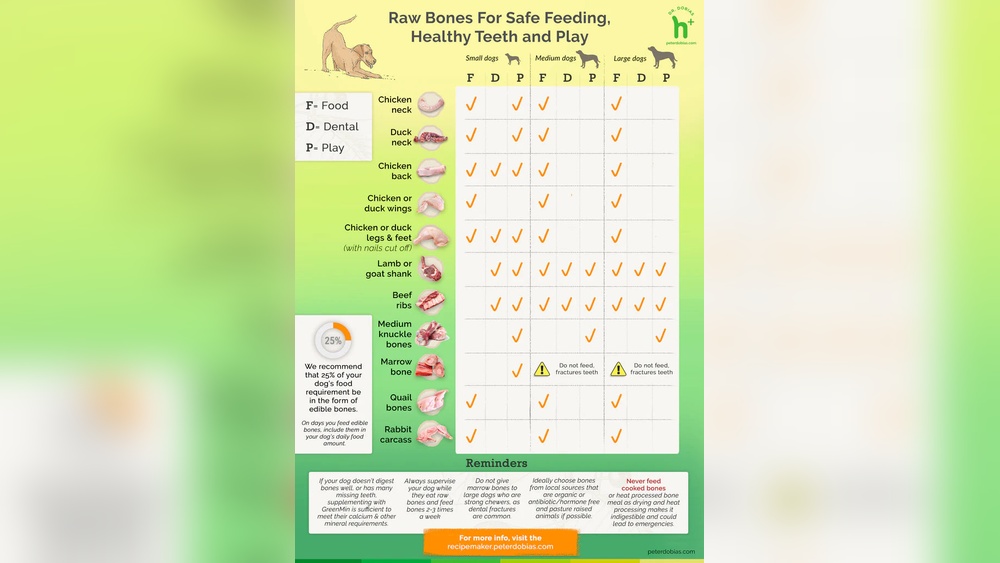
Raw bones are a good choice for dogs. They are softer than cooked bones and less likely to splinter. Raw beef or lamb bones work well. Avoid cooked bones because they can break and hurt your dog’s mouth or stomach.
Raw bones also help clean teeth naturally. They keep gums healthy and freshen breath. Make sure the bone is large enough that your dog cannot swallow it whole.
Recreational Bones
Recreational bones are made just for chewing, not eating. These bones come from animals but are cleaned and treated for safety. They last longer and satisfy your dog’s natural chewing urge.
Dogs enjoy chewing on these bones without the risk of sharp fragments. They help reduce boredom and stress. Always pick the right size for your dog’s breed and chewing strength.
Bones From Trusted Sources
Buy bones from places you trust. Vet clinics, pet stores, or specialty butchers often sell safe bones. These bones meet safety standards and are handled properly.
Check for freshness and packaging. Avoid bones with chemicals or preservatives. Proper storage keeps bones safe and tasty for your dog to enjoy.
Bones To Avoid
Not all bones are safe for dogs. Some types can cause harm or discomfort. Knowing which bones to avoid keeps your dog healthy and happy.
Cooked Bones
Cooked bones become hard and brittle. They can break easily into sharp pieces. These pieces can hurt your dog’s mouth or throat. Cooked bones can also cause blockages in the stomach or intestines. Avoid giving cooked bones to your dog.
Small Or Brittle Bones
Small bones can be a choking hazard. Dogs might swallow them whole. Brittle bones break into tiny pieces quickly. These bits can damage your dog’s digestive system. Choose bigger, stronger bones instead.
Bones With Sharp Edges
Bones with sharp edges can cut your dog’s mouth. They can also cause internal injuries. Sharp pieces may pierce the stomach or intestines. Always check bones for smooth surfaces before giving them.

Credit: cuisinesansfrontieres.ch
Types Of Bones By Size And Breed
Choosing the right bone for your dog depends on their size and breed. Different dogs need different types of bones to stay safe and happy. This section helps you find the best bones based on your dog’s size and breed. It keeps your dog entertained and supports healthy chewing habits.
Bones For Small Dogs
Small dogs need small, soft bones that are easy to chew. Avoid hard bones that can break their teeth. Look for bones made from compressed rawhide or soft nylon. These bones last long and do not splinter. Always pick bones that fit comfortably in their mouth.
Bones For Medium Dogs
Medium dogs need bones that are stronger but not too big. Real beef or lamb bones work well. Choose bones that are thicker and harder than those for small dogs. Avoid cooked bones as they can splinter and cause harm. Chewing helps clean their teeth and keeps jaws strong.
Bones For Large Dogs
Large dogs need big, durable bones to match their chewing power. Large marrow bones or antlers are good options. These bones keep them busy and satisfy their natural chewing urge. Never give small bones that can be swallowed whole. Always supervise your dog during chewing time.
Preparing Bones For Your Dog
Preparing bones for your dog is important for their safety and enjoyment. Proper preparation helps avoid health risks. It also makes the chewing experience better for your dog.
Start by cleaning and inspecting each bone carefully. Only give bones that are safe and clean. Keep an eye on your dog while they chew. This prevents choking or swallowing dangerous pieces. Store bones properly to keep them fresh and safe.
Cleaning And Inspecting
Wash bones under warm water before giving them to your dog. Remove any dirt, blood, or small fragments. Check the bone for sharp edges or cracks. Avoid bones that are too hard or splinter easily. Use only fresh or properly frozen bones.
Supervised Chewing
Watch your dog closely during chewing time. Dogs can break bones into small pieces. These pieces can cause choking or blockages. Stop the chewing session if your dog looks uncomfortable. Remove bones if they become small or brittle.
Storing Bones Safely
Keep bones in the fridge or freezer until use. This prevents bacteria growth and spoilage. Store bones in a sealed container or plastic bag. Do not leave bones outside for long periods. Always check bones before giving them again.
Alternative Chew Options
Dogs love to chew. Bones are popular, but some dogs need other options. Alternative chews help keep teeth clean and jaws strong. They also satisfy the natural urge to chew.
Dental Chews
Dental chews help reduce plaque and freshen breath. They come in many flavors and sizes. These treats are made to clean teeth gently. They support healthy gums and reduce tartar buildup.
Synthetic Bones
Synthetic bones are made from durable materials. They last longer than natural bones. These bones are safe and less likely to splinter. They provide hours of chewing fun without mess.
Natural Chew Treats
Natural chew treats come from animal parts like ears or tendons. They are tasty and easy to digest. These chews offer a healthy snack and satisfy chewing needs. Many dogs find them irresistible and safe.
Signs Of Bone-related Issues
Giving bones to dogs can be fun and healthy. But bones can cause problems too. Dogs can show signs that something is wrong. These signs help owners act fast and keep dogs safe.
Watch your dog closely after giving a bone. Notice any unusual behavior or health changes. This way, you can spot bone-related issues early.
Choking Hazards
Small bone pieces can get stuck in a dog’s throat. Dogs may cough or gag suddenly. They might paw at their mouth or seem restless. Hard breathing or drooling more than usual is a warning. Choking is an emergency and needs quick action.
Digestive Problems
Swallowed bone fragments can hurt the stomach or intestines. Your dog might vomit or have diarrhea. Watch for signs like loss of appetite or belly pain. Constipation or difficulty pooping can also happen. These signs mean bones may be causing trouble inside.
Dental Damage
Hard bones can crack or break dog teeth. Look for signs like difficulty chewing or avoiding food. Your dog may drool more or paw at the mouth. Swollen gums or bad breath can also show damage. Dental pain needs attention to avoid infection.
Frequently Asked Questions
What Are The Safest Bones To Give A Dog?
Safe bones include raw beef or lamb bones, especially marrow or knuckle bones. Avoid cooked bones as they splinter and harm dogs.
Can Dogs Eat Cooked Bones From The Kitchen?
No, cooked bones can splinter easily. They pose choking and internal injury risks. Always offer raw bones instead.
How Often Should I Give My Dog Bones?
Giving bones 1-2 times a week is ideal. This supports dental health and mental stimulation without overfeeding.
What Size Bone Is Best For My Dog?
Choose bones larger than your dog’s mouth. This prevents swallowing whole pieces and reduces choking hazards effectively.
Conclusion
Choosing the best bones for your dog keeps them happy and healthy. Safe bones help clean teeth and satisfy chewing urges. Always pick bones that suit your dog’s size and chewing style. Avoid cooked bones, as they can cause harm.
Watch your dog while chewing to prevent choking. Healthy treats build strong teeth and gums. Give your dog bones that bring joy and safety together. Simple care leads to a happy pet. Remember, the right bone makes a big difference.


