If your dog often struggles with upset stomachs, you know how worrying it can be. Finding the best dog food for sensitive stomachs isn’t just about nutrition—it’s about giving your furry friend comfort and happiness every day.
You want to make sure you’re choosing the right food that soothes their tummy without sacrificing taste or health. You’ll discover simple, effective tips and top food options that can help your dog feel better fast. Keep reading to learn how to make mealtime stress-free for both you and your pet.
Causes Of Sensitive Stomachs In Dogs
Sensitive stomachs in dogs occur for many reasons. These can affect digestion and cause discomfort. Understanding what causes stomach issues helps choose the right dog food. It also improves your dog’s health and happiness.
Common Symptoms To Watch For
Look for signs like vomiting, diarrhea, and gas. Your dog may also show loss of appetite. Some dogs have bloating or stomach pain. Watch for changes in stool color or consistency. These symptoms point to a sensitive stomach.
Dietary Triggers And Allergies
Certain foods can upset a dog’s stomach. Common triggers include dairy, wheat, and soy. Some dogs react to specific proteins like beef or chicken. Food allergies cause inflammation and discomfort. Changing the diet often helps reduce these issues.
Key Ingredients For Sensitive Stomach Dog Food
Choosing the right dog food for sensitive stomachs is important for your pet’s health. The ingredients matter most. Some ingredients help ease digestion and reduce stomach upset. Knowing these can guide you to better choices.
Here are key ingredients that make dog food gentle on sensitive stomachs.
Easily Digestible Proteins
Proteins like chicken, turkey, or fish are gentle on the stomach. They break down easily and cause less irritation. This helps dogs absorb nutrients better and avoid digestive trouble.
Limited Ingredient Formulas
Dog foods with fewer ingredients reduce chances of allergies. Simple recipes avoid common irritants like grains or artificial additives. This helps sensitive dogs feel better and stay healthy.
Added Probiotics And Prebiotics
Probiotics improve gut health by adding good bacteria. Prebiotics feed these good bacteria and support digestion. Together, they help balance the stomach and reduce upset.
Top Dog Food Brands For Sensitive Stomachs
Choosing the right dog food is key for pets with sensitive stomachs. The best brands focus on gentle ingredients that ease digestion. These options help reduce upset stomachs and improve overall health. Understanding different types of dog food can guide better choices.
Grain-free Options
Grain-free dog foods remove common grains like wheat, corn, and soy. These grains can cause allergies or stomach problems in some dogs. Brands such as Blue Buffalo and Wellness offer grain-free recipes. These foods use alternative carbs like sweet potatoes or peas. They are easier on sensitive digestive systems and support healthy digestion.
Limited Ingredient Diets
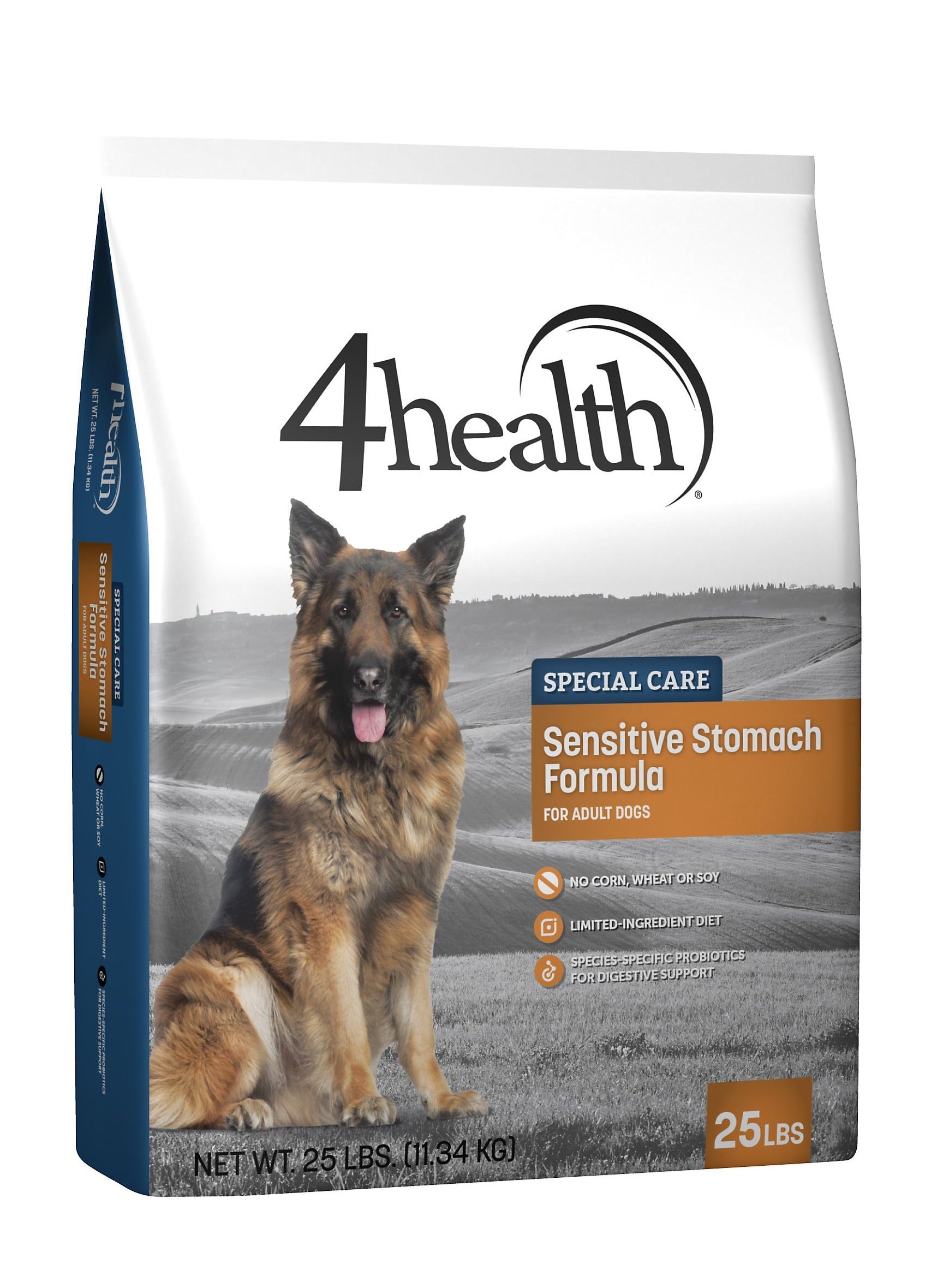
Limited ingredient diets contain fewer ingredients to limit allergens. They often have one protein and one carbohydrate source. This simplicity helps identify and avoid triggers. Brands like Natural Balance and Canidae make limited ingredient foods. These diets can reduce stomach upset and skin issues. Ideal for dogs with multiple food sensitivities.
Prescription Diets
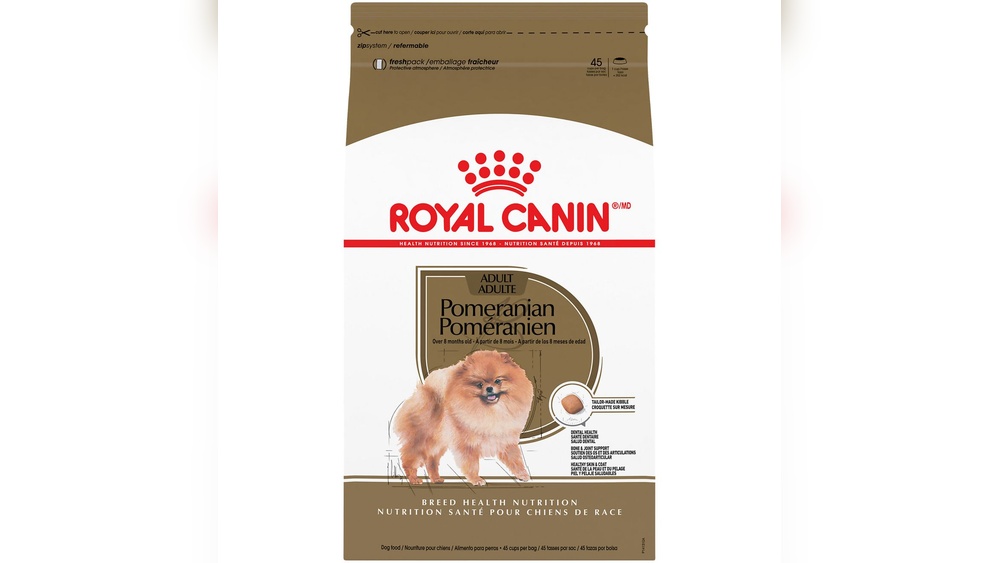
Prescription diets are special foods recommended by veterinarians. They target specific digestive problems or allergies. Brands like Hill’s Prescription Diet and Royal Canin offer these formulas. These foods contain precise nutrients to support gut health. They often require a vet’s approval before purchase. Best for dogs with severe or chronic stomach issues.
Credit: www.petsense.com
Homemade Vs. Commercial Dog Food
Choosing the best dog food for sensitive stomachs can be tricky. Two main options are homemade and commercial dog food. Each has its own benefits and risks. Understanding these can help you make the right choice for your dog.
Benefits Of Homemade Meals
Homemade meals let you control every ingredient. This helps avoid foods that upset your dog’s stomach. You can use fresh, natural ingredients. Homemade food often has fewer preservatives and additives. It allows for easy customization to suit your dog’s needs. Cooking at home lets you add specific nutrients recommended by your vet. Many dogs enjoy the taste of homemade meals more than commercial food. It also gives you peace of mind about what your dog eats.
Risks And Considerations
Homemade meals require time and effort. Preparing balanced meals is not always simple. Missing key nutrients can harm your dog’s health. Some ingredients safe for humans can be toxic to dogs. You need to follow recipes designed for dogs with sensitive stomachs. Commercial dog food is made to meet nutritional standards. It is convenient and saves time. Some commercial foods are specially made for sensitive stomachs. Always check the ingredient list and choose high-quality brands.
Tips For Transitioning To Sensitive Stomach Dog Food
Switching your dog to sensitive stomach dog food needs care and patience. Sudden changes can upset their digestion. Follow simple tips to make the transition smooth. This helps your dog adjust without discomfort or health issues.
Gradual Switching Process
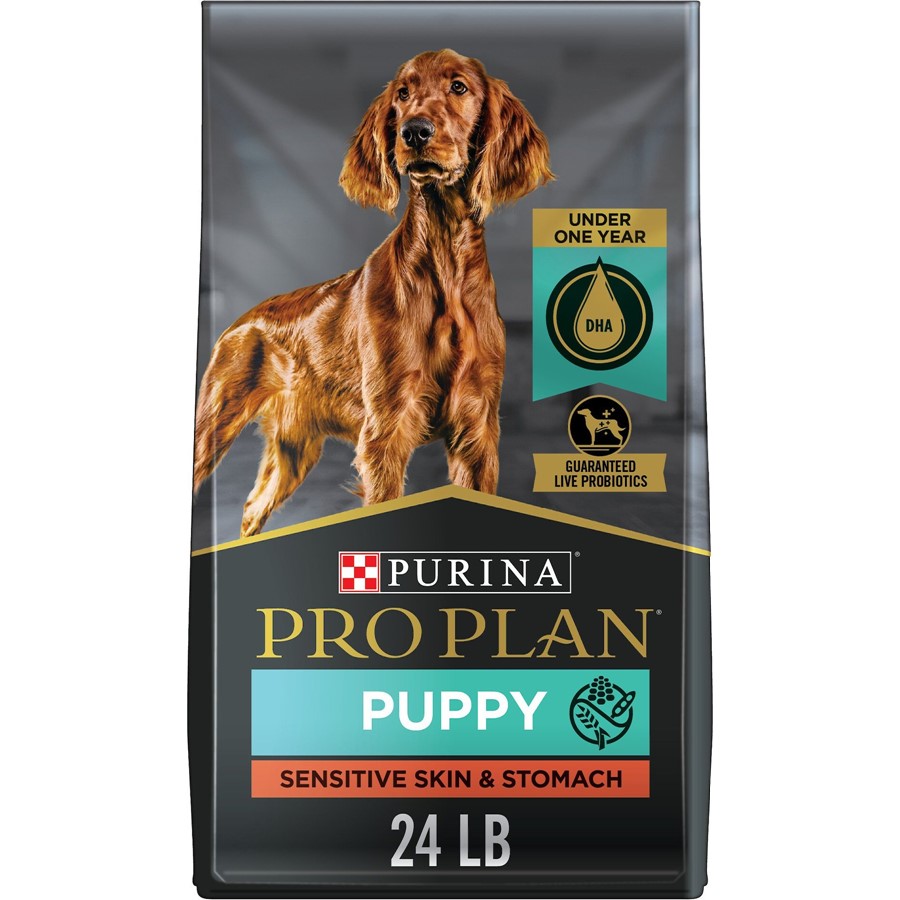
Start by mixing a small amount of the new food with the old one. Increase the new food quantity slowly over 7 to 10 days. This gentle change helps your dog’s stomach adapt. Avoid giving only new food right away. Keep watching your dog’s eating habits during this time.
Monitoring Your Dog’s Reaction
Check your dog’s behavior and digestion daily. Look for signs like vomiting, diarrhea, or less appetite. Note any changes in energy or mood. If problems appear, slow the transition or pause. Consult a vet if issues continue. Careful monitoring keeps your dog healthy and comfortable.
Credit: www.petcarerx.com
When To Consult A Veterinarian
Knowing when to consult a veterinarian is vital for dogs with sensitive stomachs. Many mild stomach issues can be managed at home. But some signs need professional attention quickly. Early consultation helps prevent serious health problems. It ensures your dog gets the right care and treatment fast.
Signs Of Serious Digestive Issues
Watch for vomiting that lasts more than 24 hours. Continuous diarrhea can lead to dehydration. Blood in stool or vomit is a major concern. Loss of appetite for several days signals trouble. Lethargy or weakness shows your dog is very unwell. Sudden weight loss needs immediate check-up. Abdominal pain or bloating should never be ignored.
Diagnostic Tests And Treatments
Veterinarians use tests to find the cause of problems. Blood tests help check organ function and infections. Stool samples identify parasites or bacteria. X-rays or ultrasounds reveal blockages or abnormalities. Treatment depends on the diagnosis. It may include special diets or medications. Sometimes fluids are given to stop dehydration. Follow-up visits track your dog’s recovery closely.

Credit: www.walmart.com
Frequently Asked Questions
What Ingredients Help Sensitive Stomachs In Dog Food?
Ingredients like pumpkin, rice, and chicken are gentle on dogs’ stomachs. These support easy digestion and reduce irritation. Avoid fillers and artificial additives to prevent upset stomachs. High-quality protein and fiber also promote gut health in sensitive dogs.
How To Choose Dog Food For Sensitive Stomachs?
Look for limited ingredient diets with easily digestible proteins. Avoid common allergens like corn, wheat, and soy. Choose foods with probiotics and prebiotics to aid digestion. Always check for natural, high-quality ingredients and consult your vet for personalized advice.
Can Sensitive Stomach Dog Food Improve Digestion Quickly?
Yes, switching to sensitive stomach dog food can improve digestion within days. These foods reduce inflammation and soothe the gut lining. Consistent feeding helps restore healthy digestion and reduces symptoms like vomiting or diarrhea.
Is Homemade Dog Food Good For Sensitive Stomachs?
Homemade dog food can be good if balanced and gentle on the stomach. Use simple, easily digestible ingredients like boiled chicken and rice. Consult your vet or a pet nutritionist to ensure it meets all nutritional needs.
Conclusion
Choosing the right dog food helps keep your pet healthy and happy. Sensitive stomachs need gentle, easy-to-digest ingredients. Always check labels for quality and avoid fillers. Consult your vet to find the best option for your dog. Small changes can improve digestion and comfort.
Watch your dog’s reaction to new food closely. Good nutrition supports a long, active life. Care and attention make all the difference. Your dog deserves the best care every day.