If you have a Teddy Bear dog, you know how special they are. Their fluffy coat and sweet personality make them a true companion.
But to keep your furry friend healthy and happy, you need to choose the best dog food made just for them. The right food can boost their energy, support their coat, and keep them feeling great every day. You’ll discover exactly what to look for in dog food and which options are perfect for your Teddy Bear dog.
Keep reading to find out how to give your pet the nutrition they deserve.
Teddy Bear Dog Traits
Teddy Bear dogs are small, friendly pets with soft, fluffy coats. They are a mix of Bichon Frise and Shih Tzu, making them both cute and loving. These dogs enjoy being around people and adapt well to different homes. Understanding their traits helps in choosing the best food for them.
Each Teddy Bear dog has unique needs based on size, health, and diet. Knowing these traits ensures they stay happy and healthy.
Size And Weight
Teddy Bear dogs usually weigh between 8 and 15 pounds. They stand about 9 to 12 inches tall. Their small size makes them perfect for apartments and small homes. Because they are small, their food portions need to be controlled carefully. Overfeeding can lead to weight gain quickly.
Common Health Issues
Teddy Bears may face some health problems like dental issues and allergies. They can also have joint problems as they age. Regular vet checkups are important to catch problems early. A good diet can help keep their immune system strong. Avoiding foods that cause allergies is key to their comfort.
Dietary Needs
These dogs need food rich in protein to support their muscles. Healthy fats help keep their coats shiny and soft. Fiber aids digestion and keeps their stomachs healthy. Avoid fillers like corn and wheat that can cause allergies. Small, frequent meals suit their small stomachs best.
Key Ingredients To Look For
Choosing the right food for Teddy Bear dogs is important for their health. Key ingredients give them energy and keep their coat shiny. These ingredients support growth and strong muscles. They also help maintain good digestion and overall wellbeing. Understanding these ingredients helps pick the best food for your pet.
Protein Sources
Protein builds strong muscles and repairs tissues. Look for real meat like chicken, beef, or fish as the main source. These proteins provide essential amino acids. Plant proteins like peas or lentils can also be part of the diet. Avoid foods with too many fillers or by-products. Quality protein keeps your Teddy Bear active and healthy.
Healthy Fats
Fats provide energy and help absorb vitamins. Omega-3 and Omega-6 fatty acids are very important. Fish oil and flaxseed are good sources. These fats support brain function and a shiny coat. Avoid foods high in unhealthy fats. Balanced fat content helps maintain your dog’s weight and skin health.
Vitamins And Minerals
Vitamins and minerals support the immune system and bones. Vitamin A, C, and E protect cells and improve vision. Minerals like calcium and phosphorus build strong teeth and bones. Look for foods enriched with these nutrients. They help your Teddy Bear stay strong and active every day.
Top Dog Food Types
Choosing the right food for Teddy Bear dogs is key to their health. Different types of dog food offer unique benefits. Understanding these options helps you pick the best diet for your furry friend.
Each food type supports your dog’s needs in various ways. Some focus on convenience, others on nutrition or taste. Let’s explore the main types of dog food suitable for Teddy Bear dogs.
Dry Kibble
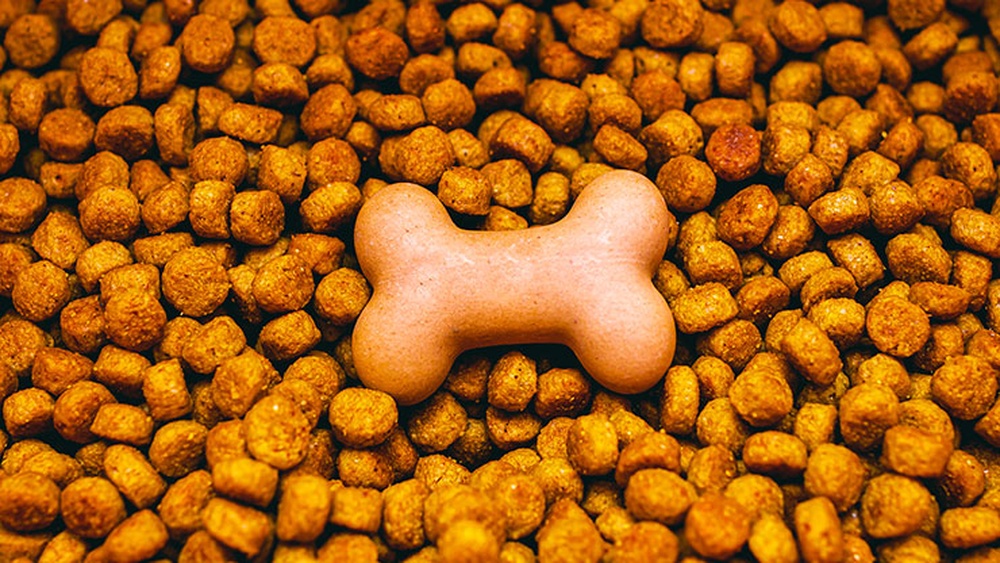
Dry kibble is the most common dog food type. It is easy to store and lasts long without spoiling. Kibble helps keep your dog’s teeth clean by reducing plaque buildup.
This food type is affordable and comes in many formulas. You can find options for puppies, adults, and dogs with special needs. Check the ingredients to ensure it has quality protein and balanced nutrients.
Wet Food
Wet food has a high moisture content, which helps keep dogs hydrated. It is soft and easy to chew, ideal for small or older Teddy Bear dogs. Wet food often contains strong flavors that dogs enjoy.
This type can be mixed with dry kibble to add variety. Always check for natural ingredients and avoid foods with too many fillers or artificial additives.
Raw And Homemade Diets
Raw and homemade diets give full control over ingredients. These diets often include fresh meat, vegetables, and grains. They can provide high nutrition and help avoid allergens.
Preparing raw or homemade meals requires careful planning. Balance is crucial to meet all your dog’s dietary needs. Consult a vet or pet nutritionist before switching to this diet.
Recommended Brands For Teddy Bears
Teddy Bear dogs need food that supports their small size and lively nature. Choosing the right brand helps keep them healthy and happy. Some brands focus on quality ingredients and balanced nutrition. Others offer options that fit different budgets and dietary needs. Here are some recommended dog food brands for Teddy Bears.
Premium Options
High-quality dog foods use natural ingredients and real meat. Brands like Blue Buffalo and Wellness provide rich protein and essential nutrients. These foods support muscle growth and a shiny coat. They also contain vitamins that boost immunity. Perfect for owners who want the best for their Teddy Bear dogs.
Budget-friendly Choices
Affordable brands can still offer good nutrition. Nutro and Diamond Naturals are popular for balanced meals at a lower cost. These brands focus on simple recipes with wholesome ingredients. They keep your Teddy Bear full and energized. A smart choice without spending too much money.
Grain-free And Allergy-friendly
Some Teddy Bears have sensitive stomachs or allergies. Grain-free options help avoid reactions and improve digestion. Brands like Natural Balance and Merrick make grain-free dog foods. These recipes use alternative carbs like sweet potatoes. Ideal for dogs with food sensitivities or allergies.
Feeding Tips For Teddy Bear Dogs
Feeding Teddy Bear dogs the right way helps keep them healthy and happy. These small dogs need a balanced diet that fits their size and activity. Proper feeding supports their energy, coat, and overall well-being. Follow these tips to feed your Teddy Bear dog with care and confidence.
Portion Control
Measure your dog’s food carefully each time. Overfeeding can cause weight gain and health problems. Use a standard measuring cup for accuracy. Check the dog food label for portion advice. Adjust portions based on your dog’s age, weight, and activity level.
Meal Frequency
Feed your Teddy Bear dog two to three times daily. Regular meals keep their blood sugar steady. Avoid giving large meals that can upset their stomach. Small, frequent meals fit their small size better. Keep a consistent feeding schedule for best results.
Transitioning Foods
Change your dog’s food slowly over 7 to 10 days. Mix the new food with the old, increasing the new portion daily. Sudden changes may cause stomach upset or diarrhea. Watch your dog’s reaction during the switch. Stop or slow down if any issues appear.

Credit: www.redbarn.com
Signs Of A Healthy Diet
A healthy diet shows many signs in Teddy Bear dogs. These signs help you know if your dog is getting the right nutrients. Watching these signs can keep your dog happy and strong. It also helps avoid health problems later.
Good food makes a big difference in a Teddy Bear dog’s life. Here are key signs to watch for.
Coat And Skin Condition
A shiny, soft coat shows good nutrition. Dry or flaky skin can mean poor diet. Healthy fats in food keep skin moist and hair strong. Look for smooth, bright fur without bald spots. A healthy coat is a clear sign of a balanced diet.
Energy Levels
Teddy Bear dogs with a good diet feel active and playful. Low energy or tiredness may signal missing nutrients. A well-fed dog enjoys walks and playtime. Consistent energy means the food meets your dog’s needs. Watch your dog’s mood and activity daily.
Digestive Health
Proper digestion shows food quality and balance. Regular stools that are firm and easy to pass are good signs. Diarrhea, constipation, or gas can mean diet problems. Fiber and probiotics help keep digestion smooth. Healthy digestion supports overall wellness in Teddy Bear dogs.
Common Feeding Mistakes To Avoid
Feeding Teddy Bear dogs the right food is very important. Many pet owners make simple mistakes that can hurt their dog’s health. Avoiding these common feeding errors helps your dog stay happy and strong. Here are some key feeding mistakes to watch out for.
Overfeeding
Giving too much food is a common problem. Teddy Bear dogs are small and need less food than bigger dogs. Overfeeding can cause weight gain and health issues. Measure the food and follow the recommended portion size. Avoid giving too many treats during the day.
Ignoring Allergies
Some Teddy Bear dogs have food allergies. These allergies can cause itching, stomach upset, or ear infections. Watch for signs like scratching or vomiting. Choose hypoallergenic or limited ingredient dog food. Always consult a vet if you suspect an allergy.
Poor Quality Ingredients
Low-quality ingredients can harm your dog’s health. Avoid dog foods with fillers like corn, wheat, or soy. Look for foods with real meat and natural ingredients. Good nutrition supports your Teddy Bear dog’s energy and coat health.
Credit: pawprintoxygen.com

Credit: www.jrai.net
Frequently Asked Questions
What Is The Best Diet For Teddy Bear Dogs?
A balanced diet with high-quality protein, healthy fats, and essential vitamins suits Teddy Bear dogs best. Avoid fillers and artificial additives. Look for foods formulated for small breeds to support their energy and coat health.
How Much Food Should I Feed My Teddy Bear Dog?
Feed your Teddy Bear dog ¼ to ½ cup of food twice daily. Adjust portions based on age, weight, and activity level. Always monitor their weight and consult your vet for personalized advice.
Are Grain-free Dog Foods Good For Teddy Bear Dogs?
Grain-free foods can benefit dogs with allergies or sensitivities. However, they are not necessary for all Teddy Bear dogs. Consult your vet before switching to grain-free to ensure balanced nutrition.
Can Teddy Bear Dogs Eat Homemade Meals?
Yes, homemade meals can be healthy if balanced properly. Include lean protein, vegetables, and grains. Avoid toxic foods like chocolate, onions, and grapes. Consult a vet or pet nutritionist to ensure complete nutrition.
Conclusion
Choosing the right food helps your Teddy Bear dog stay healthy. Good nutrition supports their energy and bright coat. Always pick foods with quality ingredients and balanced nutrients. Watch your dog’s reaction to new food carefully. Healthy meals lead to happy, active pets every day.
Small changes make a big difference in their life. Trust what suits your dog best for long-term health. Keep your furry friend strong and full of joy.