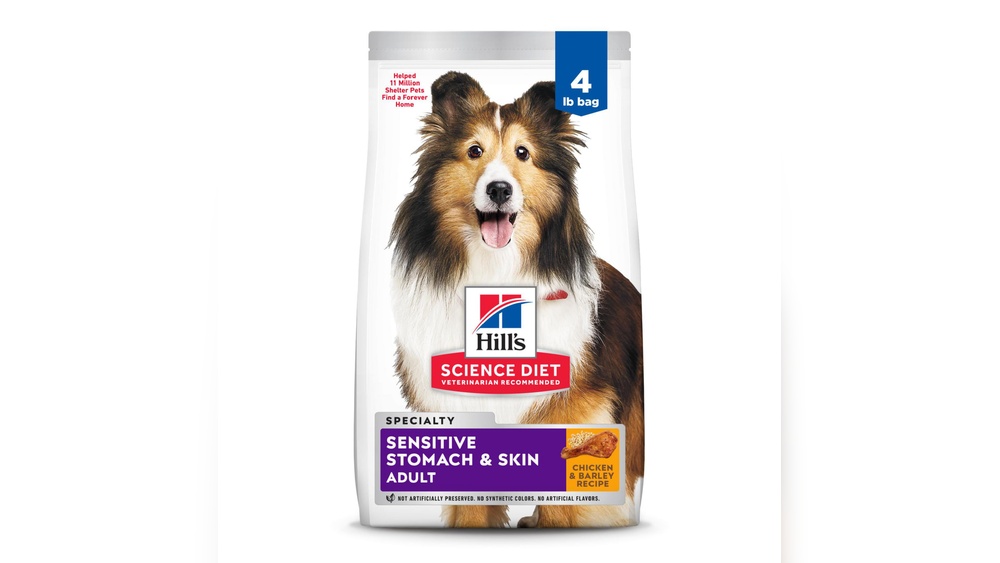
If you have a large breed dog with a sensitive stomach, you know how tricky mealtime can be. Finding the right food that keeps your dog happy and healthy without upsetting their tummy is a real challenge.
You want to give your furry friend the best nutrition, but not at the cost of discomfort or digestive issues. In this guide, you’ll discover the best large breed dog food options designed specifically for sensitive stomachs. Keep reading to learn how to make mealtime easier for your dog and give them the comfort they deserve.
:strip_icc()/SPR-Hills-ScienceDiet-SensitiveStomachandSkin-Chicken-Cavin-01-39a7b1b54edb4781922bedf1c3331221.jpg)
Credit: ecorporates.com
Causes Of Sensitive Stomachs In Large Dogs
Large dogs often face sensitive stomach issues. These can cause discomfort and affect their health. Understanding the causes helps in choosing the right food. Sensitive stomachs can arise from many reasons. Some are common and easy to manage. Others need special care and attention.
Common Digestive Issues
Many large dogs suffer from digestive problems. These include gas, diarrhea, and vomiting. Poor digestion can result from a weak stomach. Sometimes, the dog’s body struggles to break down food. This leads to discomfort and nutrient loss. Digestive issues may also come from eating too fast. Eating spoiled or unsuitable food causes upset stomachs too.
Food Allergies And Intolerances
Some large dogs react badly to certain foods. Allergies cause itching, swelling, and stomach pain. Common allergens include beef, dairy, and wheat. Intolerances do not involve the immune system. They cause upset stomach, diarrhea, or vomiting. Identifying allergens is key to managing sensitive stomachs. Switching to hypoallergenic or limited-ingredient diets helps.
Stress And Environmental Factors
Stress affects a dog’s digestive health. Changes in routine or new environments can upset stomachs. Loud noises, travel, or separation cause anxiety. Stress may reduce appetite or cause diarrhea. Environmental toxins and chemicals also irritate digestion. Providing a calm and stable environment supports gut health.
Key Nutrients For Sensitive Stomach Health
Choosing the right nutrients helps support sensitive stomachs in large breed dogs. These nutrients ease digestion and reduce tummy discomfort. Proper nutrition keeps your dog active and happy. Understanding key ingredients aids in selecting the best dog food.
Easily Digestible Proteins
Proteins are essential for muscle and tissue health. Easily digestible proteins break down faster in the stomach. This reduces the risk of stomach upset and allergies. Common sources include chicken, turkey, and fish. These proteins provide energy without stressing the digestive system.
Fiber And Prebiotics
Fiber supports healthy digestion and regular bowel movements. Prebiotics feed good bacteria in the gut. This helps balance the digestive system and improves nutrient absorption. Ingredients like pumpkin, sweet potato, and chicory root are rich in fiber and prebiotics. They soothe the stomach and reduce bloating.
Vitamins And Minerals
Vitamins and minerals strengthen the immune system. They aid in healing and protect the digestive tract. Important nutrients include vitamin E, zinc, and B vitamins. These help maintain skin and coat health, too. Balanced levels ensure your dog stays healthy and strong.
Top Ingredients To Avoid
Choosing the right food for large breed dogs with sensitive stomachs means avoiding certain ingredients. Some components can cause discomfort or allergic reactions. Knowing which ingredients to avoid helps keep your dog healthy and happy.
Artificial Additives
Artificial colors, flavors, and preservatives can irritate your dog’s stomach. These chemicals offer no nutrition and may cause allergies. Avoid foods with synthetic dyes or artificial sweeteners. Natural alternatives are gentler and safer for sensitive dogs.
Common Allergens
Some dogs react badly to common allergens like wheat, soy, and corn. These ingredients can cause itching, bloating, or diarrhea. Dairy and eggs may also trigger allergies in some dogs. Choose foods free from these common allergens to ease digestion.
Fillers And Byproducts
Fillers such as corn gluten or wheat middlings add bulk without nutrition. Animal byproducts can be hard to digest and lower food quality. These ingredients often cause stomach upset or poor nutrient absorption. Opt for whole meats and wholesome grains instead.
Best Large Breed Dog Food Brands
Choosing the right food for large breed dogs with sensitive stomachs is important. Good brands offer formulas that support digestion and overall health. They focus on quality ingredients and avoid common triggers that upset the stomach. These brands create special recipes to meet the unique needs of big dogs.
Many brands now offer options to help dogs with allergies or food sensitivities. They use simple ingredients and avoid fillers that cause discomfort. The best brands also work with vets to ensure their products support healthy digestion. Here are some of the top options for large breed dogs with sensitive stomachs.
Grain-free Options
Grain-free dog foods remove common grains like wheat and corn. These ingredients often cause stomach upset in sensitive dogs. Grain-free recipes use alternative carbs like sweet potatoes or peas. These foods help reduce inflammation and improve digestion. Many large breed formulas now come in grain-free versions.
Limited Ingredient Diets
Limited ingredient diets contain fewer ingredients to lower allergy risks. They focus on one protein and one carbohydrate source. This makes it easier to identify and avoid food triggers. These diets often include easy-to-digest ingredients. Large breed dogs with sensitive stomachs benefit from these simple recipes.
Veterinarian-recommended Formulas
Veterinarian-recommended dog foods are designed with expert advice. They support digestive health and joint care for large breeds. These formulas include balanced nutrients and probiotics. Vets often suggest these foods for dogs with sensitive stomachs. Choosing these brands gives extra confidence in quality and safety.
Homemade Meals For Sensitive Dogs
Homemade meals offer a great choice for large breed dogs with sensitive stomachs. Preparing food at home lets you control every ingredient. You avoid fillers and additives found in some commercial foods. This approach can help reduce stomach upset and improve digestion.
Cooking at home also allows you to tailor meals to your dog’s specific needs. You can choose gentle, nutritious ingredients that support their health. This section covers safe ingredients, balanced recipe tips, and when to ask a vet for advice.
Safe Ingredients To Use
Choose simple, natural foods that are easy to digest. Lean meats like chicken, turkey, and lean beef work well. Rice and sweet potatoes provide gentle carbohydrates. Vegetables like carrots and green beans add fiber and vitamins. Avoid onions, garlic, and spicy foods as they harm dogs. Plain pumpkin is good for digestion and soothing upset stomachs.
Balanced Recipe Tips
Balance protein, carbs, and fats in every meal. Include a source of protein as the main ingredient. Add a carbohydrate like rice or potatoes for energy. Include healthy fats such as fish oil or olive oil. Add vegetables for vitamins and fiber. Avoid too much fat or seasoning. Cook all ingredients thoroughly and avoid raw food risks.
When To Consult A Vet
Seek vet advice before switching to homemade meals. Your vet can guide you on nutrient needs for large breeds. Watch for signs of allergies or digestive issues. If your dog vomits, has diarrhea, or loses weight, call your vet. Regular check-ups help ensure your dog stays healthy on homemade food. A vet can also recommend supplements if needed.
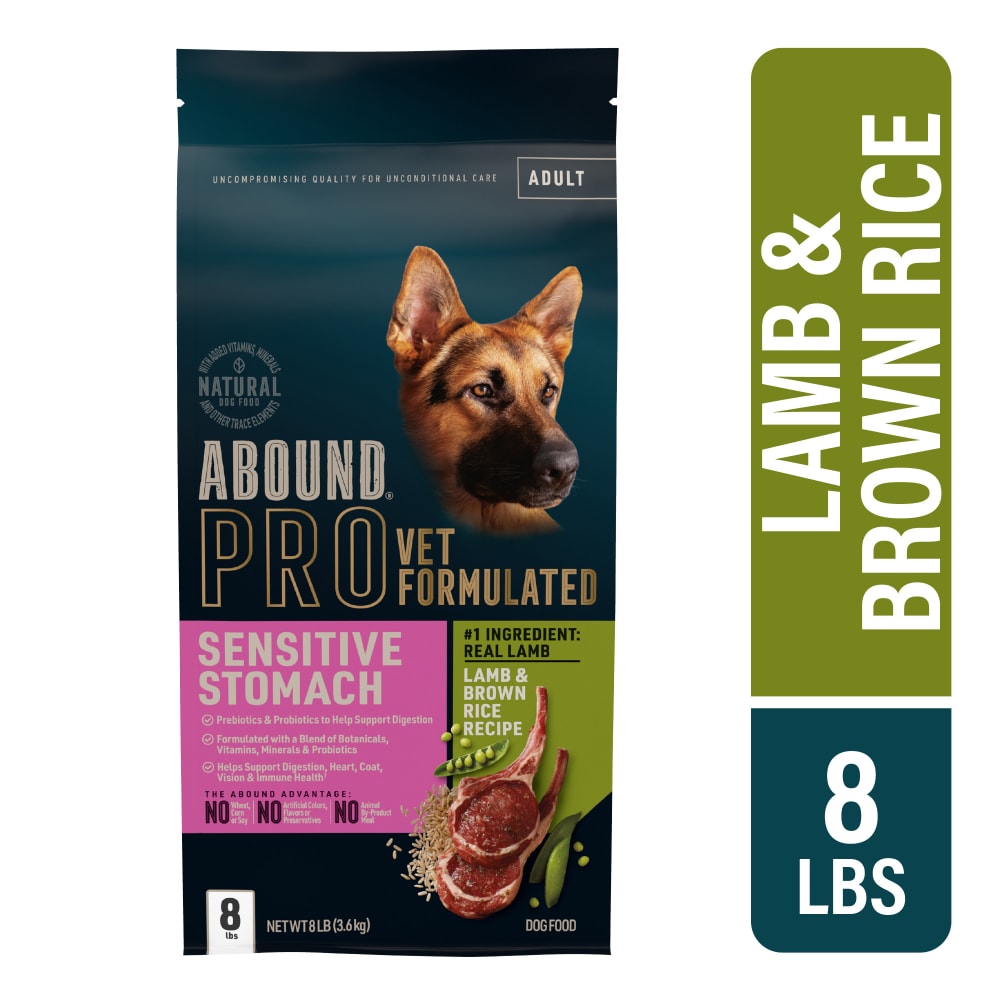
Credit: www.fredmeyer.com
Feeding Tips For Sensitive Stomachs
Feeding large breed dogs with sensitive stomachs requires care and attention. The right feeding approach helps reduce digestive issues. It also supports your dog’s overall health and comfort. Small changes in feeding habits can make a big difference.
Transitioning Foods Gradually
Switch your dog’s food slowly over 7 to 10 days. Start by mixing 25% new food with 75% old food. Increase the new food amount each day. This method helps your dog’s stomach adjust. Sudden changes can cause vomiting or diarrhea.
Meal Frequency And Portion Control
Feed your dog smaller meals more often. Two to three meals per day work best. Large meals can stress sensitive stomachs. Measure portions carefully to avoid overeating. Balanced portions support digestion and prevent weight gain.
Monitoring And Adjusting Diet
Watch your dog’s reaction to new foods closely. Look for signs like vomiting, gas, or diarrhea. If problems appear, try a different formula or ingredient. Keep a food diary to track what works well. Consult your vet for personalized advice.
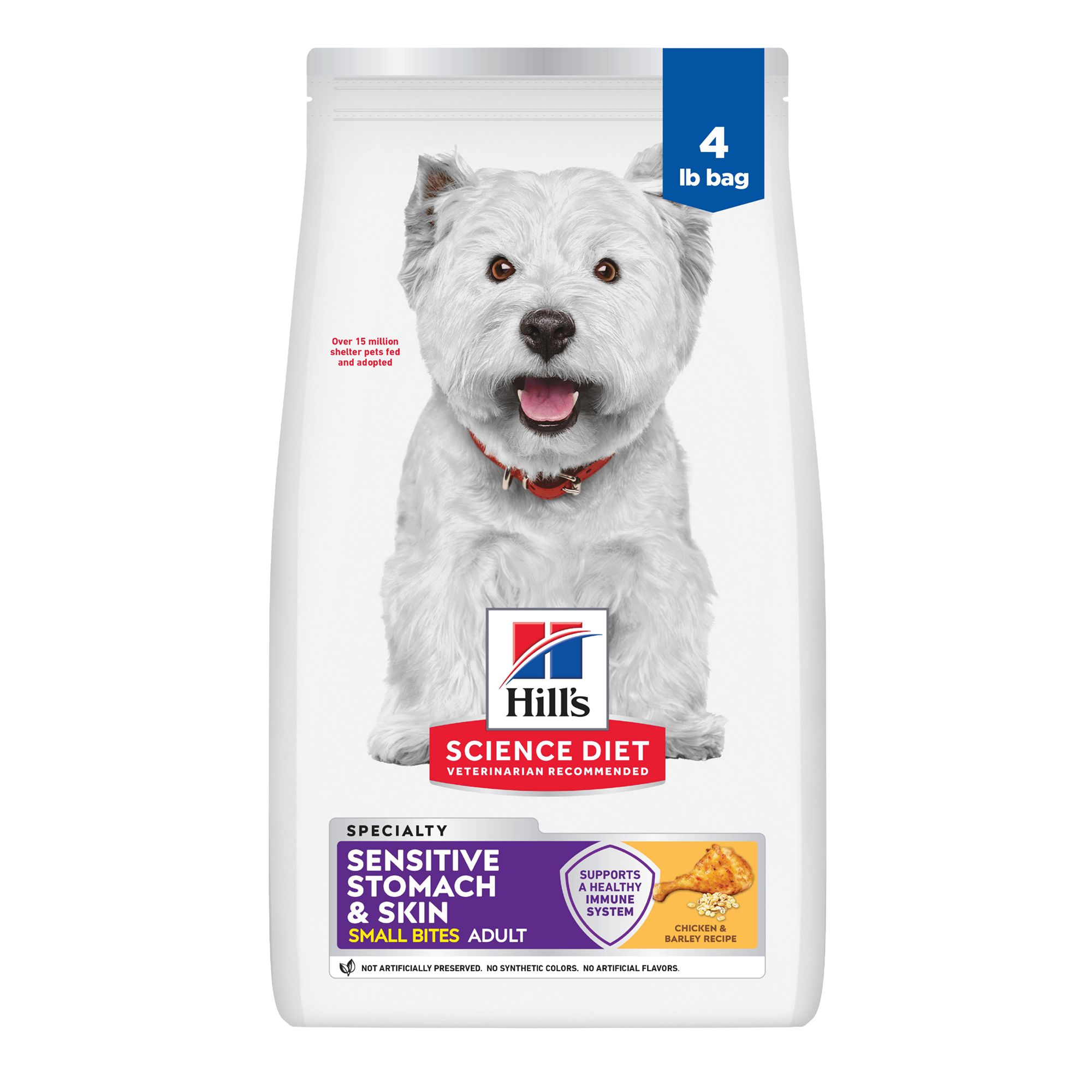
Credit: www.nirmalainstitute.org
Frequently Asked Questions
What Ingredients Are Best For Sensitive Stomachs In Large Dogs?
Highly digestible ingredients like rice, chicken, and sweet potatoes are ideal. Avoid fillers, artificial additives, and common allergens like corn or soy. Limited ingredient diets often work best for sensitive stomachs in large breeds.
How To Choose Large Breed Dog Food For Sensitive Digestion?
Look for formulas with probiotics and prebiotics to support gut health. Opt for grain-free or limited ingredient options. Check for balanced nutrients tailored to large breeds’ needs and avoid artificial preservatives.
Can Sensitive Stomach Dog Food Help With Allergies?
Yes, specialized sensitive stomach dog food often reduces allergic reactions. These foods avoid common allergens and include soothing ingredients that minimize inflammation. They can improve digestion and skin health in allergic large breed dogs.
How Often Should I Feed Large Breed Dogs With Sensitive Stomachs?
Feed smaller, more frequent meals to ease digestion and reduce stomach upset. Two to three meals daily is ideal for large breeds with sensitive stomachs. Always follow your vet’s advice for personalized feeding schedules.
Conclusion
Choosing the right food helps large dogs with sensitive stomachs stay healthy. Gentle ingredients support good digestion and reduce discomfort. Regular meals of quality dog food improve energy and mood. Watch your dog’s reaction to find the best fit. Healthy food means a happy, active dog.
Keep your pet’s needs in mind when picking food. Small changes can make a big difference in health. Careful choices show your love and help your dog thrive.