Are you tired of finding dog hair on your clothes, furniture, and floors? Shedding can be frustrating, especially if you want a clean home without constant vacuuming.
Luckily, some dogs don’t shed much or at all, making them perfect companions for you. You’ll discover the best dogs that don’t shed, so you can enjoy the love and loyalty of a furry friend without the mess. Keep reading to find your ideal low-shedding dog and make your life easier and more joyful.
Why Choose Low-shedding Dogs
Choosing a low-shedding dog brings many advantages. These dogs lose less hair, making life easier for owners. They suit people who want a cleaner home and less grooming. Low-shedding dogs can fit well in many lifestyles and homes.
Benefits For Allergy Sufferers
Low-shedding dogs release fewer allergens into the air. This helps reduce allergic reactions in sensitive people. Less hair means less dander, a common allergy trigger. These dogs allow allergy sufferers to enjoy pet companionship comfortably.
Cleaner Home Environment
Dogs that shed less keep your home tidier. You will find fewer hairs on furniture and floors. Cleaning becomes quicker and less frequent. This means a fresher and more pleasant living space all year round.
Easier Grooming And Maintenance
Low-shedding dogs need less brushing and care. Grooming sessions take less time and effort. This saves money on grooming tools or professional services. Caring for these dogs fits better into busy schedules.

Credit: djangobrand.com
Traits Of Low-shedding Breeds
Low-shedding dog breeds share certain traits that make them ideal for people sensitive to pet hair. These dogs produce less loose fur, which means less cleaning and fewer allergens. Understanding these traits helps in choosing a dog that fits your lifestyle and keeps your home cleaner. Let’s explore the key features of low-shedding breeds.
Coat Types That Shed Less
Low-shedding dogs often have curly or wiry coats. These coat types trap loose hairs instead of releasing them. Some breeds have hair that grows continuously, similar to human hair, reducing shedding. Double coats with dense undercoats tend to shed more, so single-layer coats are common in low-shedding breeds.
Size And Activity Levels
Smaller dogs generally shed less because they have less surface area. Active breeds may lose hair due to friction and movement, but many low-shedding dogs stay fairly active without excessive shedding. Size and energy levels both affect how much hair a dog loses.
Temperament And Compatibility
Low-shedding dogs often have calm and friendly temperaments. They tend to be good companions for families and individuals. These breeds usually adapt well to indoor living and enjoy being close to people. Their behavior fits well with owners who prefer a clean and peaceful home.
Top Low-allergy Dog Breeds
Many people want dogs that do not cause allergies. Low-allergy dog breeds shed less hair and dander. These dogs suit people who have mild allergies or sensitive skin. They also keep homes cleaner with less fur on furniture.
Below are some top low-allergy dog breeds. Each breed has unique traits but shares low shedding. These dogs offer companionship without constant sneezing or itching.
Poodle Varieties
Poodles come in three sizes: toy, miniature, and standard. They have curly, dense coats that trap hair and dander. Poodles shed very little, making them perfect for allergy sufferers. They are smart, trainable, and friendly pets.
Bichon Frise
Bichon Frise dogs have soft, fluffy coats that do not shed much. Their hair grows continuously, like human hair. This breed needs regular grooming to prevent mats. Bichons are cheerful, playful, and get along well with children.
Portuguese Water Dog
Portuguese Water Dogs have curly coats that shed minimally. They are strong swimmers and enjoy active lifestyles. These dogs are loyal and protective of their families. Regular brushing keeps their coat healthy and clean.
Schnauzer
Schnauzers come in miniature, standard, and giant sizes. Their wiry coats shed very little. Schnauzers are alert, energetic, and make good watchdogs. Grooming includes hand-stripping to maintain coat texture.
Shih Tzu
Shih Tzus have long, flowing coats that shed very little. Their hair grows continuously and requires frequent grooming. These dogs are affectionate and enjoy being lap companions. Shih Tzus adapt well to apartment living.
Maltese
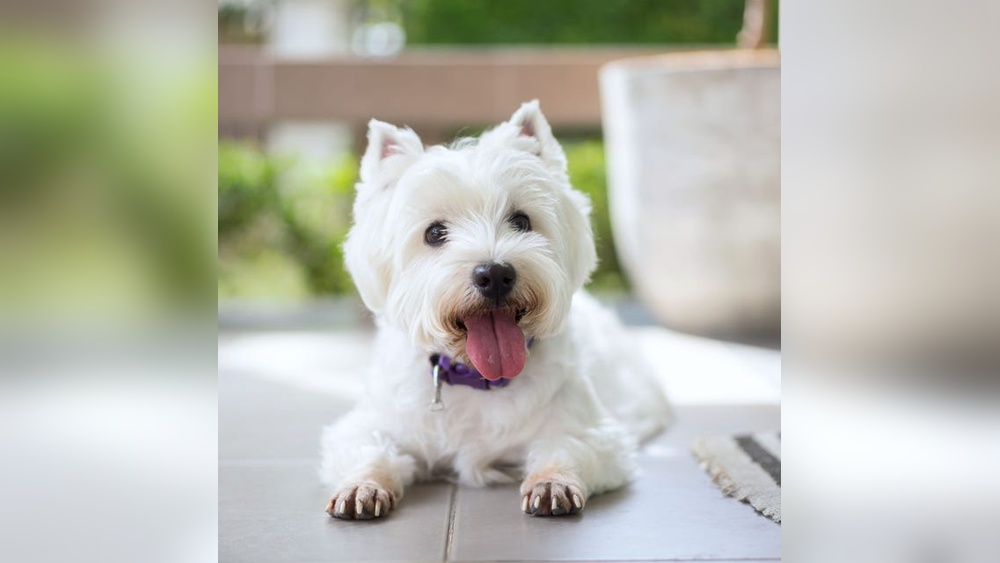
Maltese dogs have silky white coats that shed minimally. Their hair also grows like human hair. Maltese dogs are gentle, lively, and good with families. Regular grooming keeps their coat soft and tangle-free.
Credit: djangobrand.com
Caring For Low-shedding Dogs
Caring for low-shedding dogs is easier than many think. These breeds lose less hair, but they still need regular care. Proper attention keeps their coat healthy and skin clean. It also helps avoid common health issues. Understanding their needs creates a happy, strong pet.
Grooming Tips
Brush your dog’s coat often to remove loose hair and dirt. Use a brush that suits their fur type. Bath your dog with mild shampoo every few weeks. Keep their nails trimmed to avoid discomfort. Check ears regularly and clean if needed. Grooming builds trust and keeps your pet comfortable.
Diet And Health
Feed your dog balanced meals with essential nutrients. High-quality food supports healthy skin and coat. Fresh water is important every day. Watch for allergies that may affect shedding or skin. Regular vet visits keep your dog in good shape. Supplements like omega-3 can improve coat shine.
Exercise Needs
Low-shedding dogs need daily exercise for good health. Walks, playtime, and training keep them active and happy. Exercise helps reduce stress and behavior problems. Adjust activity level based on your dog’s age and breed. A tired dog is a happy dog. Consistent routines create strong bonds between you and your pet.
Choosing The Right Dog For Your Home
Choosing the right dog for your home is an important decision. Dogs that do not shed much can be great for keeping your home clean. Think about your daily routine and space. This helps find a dog that fits your life well. Consider how active you are and how much time you have for a pet. The right dog will bring joy without extra stress.
Assessing Lifestyle Fit
Think about your daily activities. Do you exercise a lot or prefer quiet time? Some dogs need more play and walks. Others enjoy resting by your side. Space matters too. Small homes suit small dogs better. Active dogs need room to run. Match a dog’s energy with your lifestyle.
Meeting Family Needs
Consider everyone in your home. Kids may need a gentle dog. Older adults may prefer calm pets. Allergies can be a big concern. Dogs that shed less help reduce allergy risks. Some breeds are better for families with special needs. Choose a dog everyone can enjoy.
Adoption And Breeder Considerations
Adopt from shelters to give dogs a new chance. Many low-shedding dogs wait for homes. Reputable breeders offer healthy, well-trained puppies. Always check a breeder’s background. Avoid places that do not care for dogs properly. Find a source that values dog health and behavior.

Credit: opencontabilidade.com
Frequently Asked Questions
What Are The Best Dog Breeds That Don’t Shed?
The best non-shedding dog breeds include Poodles, Bichon Frises, Maltese, and Portuguese Water Dogs. These breeds have hair that grows continuously, reducing shedding and dander. They are ideal for allergy sufferers and those wanting low-maintenance grooming.
How Do Non-shedding Dogs Benefit Allergy Sufferers?
Non-shedding dogs produce less dander, the main allergen trigger. This reduces allergic reactions in sensitive people. They help create a cleaner, healthier home environment by minimizing airborne allergens and shedding fur.
Are Non-shedding Dogs Harder To Groom?
Non-shedding dogs require regular grooming to prevent mats and tangles. Their hair grows continuously, needing trimming and brushing. Grooming ensures a healthy coat and reduces the chance of skin problems.
Can Non-shedding Dogs Live In Any Climate?
Non-shedding dogs adapt well to various climates but may need extra care. In cold weather, some breeds require coats or protection. In hot climates, regular hydration and shade are essential for their comfort.
Conclusion
Choosing a dog that does not shed can make life easier. These breeds keep your home cleaner and reduce allergy issues. They still offer love, fun, and loyalty like any other dog. Think about your lifestyle and needs before picking a pet.
A low-shedding dog can bring joy without extra mess. Enjoy the company of a furry friend without constant cleaning. Each dog has its own charm and care needs. Find the right fit, and happiness will follow.