If you have a big dog, you know that their food needs are different from smaller breeds. Choosing the best food for big dogs is not just about filling their bowls—it’s about keeping them healthy, strong, and full of energy.
You want to give your furry friend the right nutrients to support their size, joints, and overall well-being. But with so many options out there, how do you find the perfect match? Keep reading, because we’ll guide you through everything you need to know to make the best choice for your big dog’s diet.
Your dog deserves the best, and you’re about to discover how to give it to them.

Credit: rawalinstitutions.com
Nutritional Needs Of Big Dogs
Big dogs have special nutritional needs to stay healthy and strong. Their size means they need more energy and nutrients than small dogs. Feeding them the right food supports their joints, muscles, and overall well-being.
Understanding these needs helps in choosing the best diet for big dogs. Proper nutrition can prevent health problems and keep them active for years.
Calorie Requirements
Big dogs burn more calories daily due to their size. They need enough calories to maintain energy without gaining excess weight. Overfeeding can lead to obesity, which stresses their joints. Feeding a balanced amount helps keep their weight steady and healthy.
Protein Importance
Protein builds strong muscles and repairs tissues. Big dogs need high-quality protein from meat or fish sources. It supports muscle growth and keeps them active. Protein also helps maintain a healthy coat and skin.
Essential Fats
Fats provide energy and support brain health. Omega-3 and omega-6 fats reduce inflammation and help joints. These fats improve skin condition and shine in the coat. Including healthy fats in their diet is vital for big dogs.
Key Vitamins And Minerals
Vitamins and minerals keep the immune system strong. Calcium and phosphorus support healthy bones and teeth. Vitamins A, E, and C help protect cells and improve healing. A balanced diet with these nutrients keeps big dogs well and active.

Credit: pasm.pt
Top Ingredients For Large Breeds
Large breed dogs need special nutrition to stay healthy and strong. Their food must contain key ingredients that support muscle growth, energy, and joint health. Choosing the right ingredients helps them live an active and happy life.
High-quality Proteins
Proteins build muscles and repair tissues. Large dogs require more protein than smaller breeds. Good sources include chicken, beef, lamb, and fish. These proteins provide essential amino acids for strong muscles. Avoid fillers like by-products or low-quality meat.
Complex Carbohydrates
Complex carbs give steady energy throughout the day. Ingredients such as brown rice, sweet potatoes, and barley digest slowly. This helps keep blood sugar levels stable. They also add fiber, which supports healthy digestion.
Healthy Fats
Fats are vital for energy and coat health. Omega-3 and Omega-6 fatty acids improve skin and fur. Fish oil and flaxseed are excellent sources. Healthy fats also help brain function and reduce inflammation.
Joint Support Nutrients
Large dogs face more joint stress. Ingredients like glucosamine and chondroitin protect joints. They reduce pain and improve mobility. Including these nutrients helps dogs stay active longer. Look for foods with added vitamins and minerals for bone health.
Best Commercial Dog Foods
Choosing the best commercial dog food for big dogs is important. Large breeds need specific nutrients to support their size and health. Many brands make foods tailored to meet these needs. Quality commercial foods can help your dog stay strong and active. Here are some top options to consider.
Dry Kibble Options
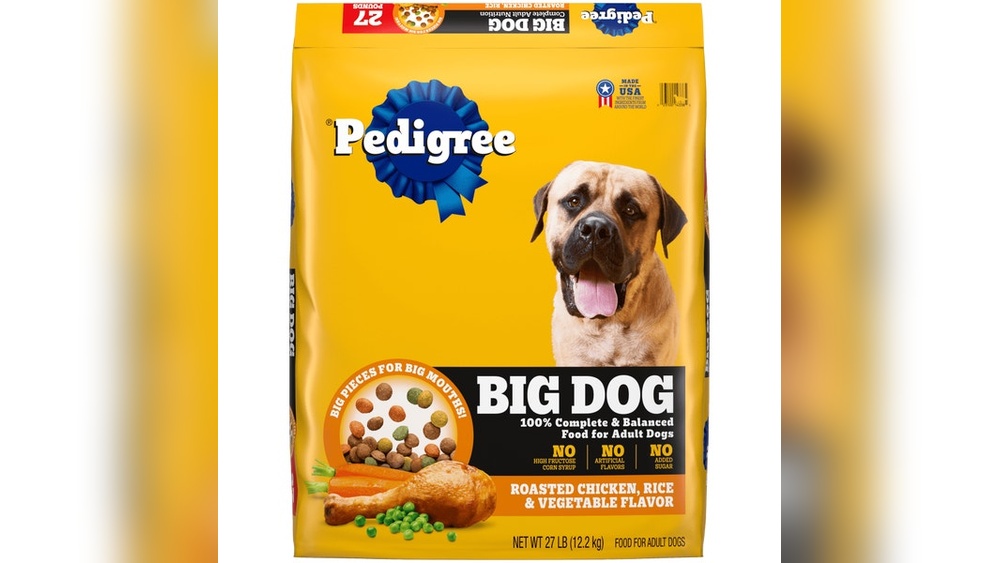
Dry kibble is popular for its convenience and shelf life. Many big dog formulas include extra protein and fat. These nutrients support muscle and energy needs. Kibble also helps keep teeth clean by reducing plaque. Look for brands with real meat listed first. Avoid foods with too many fillers like corn or wheat.
Wet Food Choices
Wet food offers high moisture, which helps with hydration. It is softer and easier to chew for older dogs. Wet diets often contain rich flavors that dogs enjoy. This type of food can be mixed with dry kibble. Choose wet foods with natural ingredients and no artificial colors.
Grain-free Alternatives
Grain-free dog foods remove grains like wheat and corn. These are good for dogs with allergies or sensitivities. Grain-free diets use potatoes, peas, or lentils instead. They still provide energy without common allergens. Always check if your dog tolerates these ingredients well.
Specialty Formulas For Large Dogs
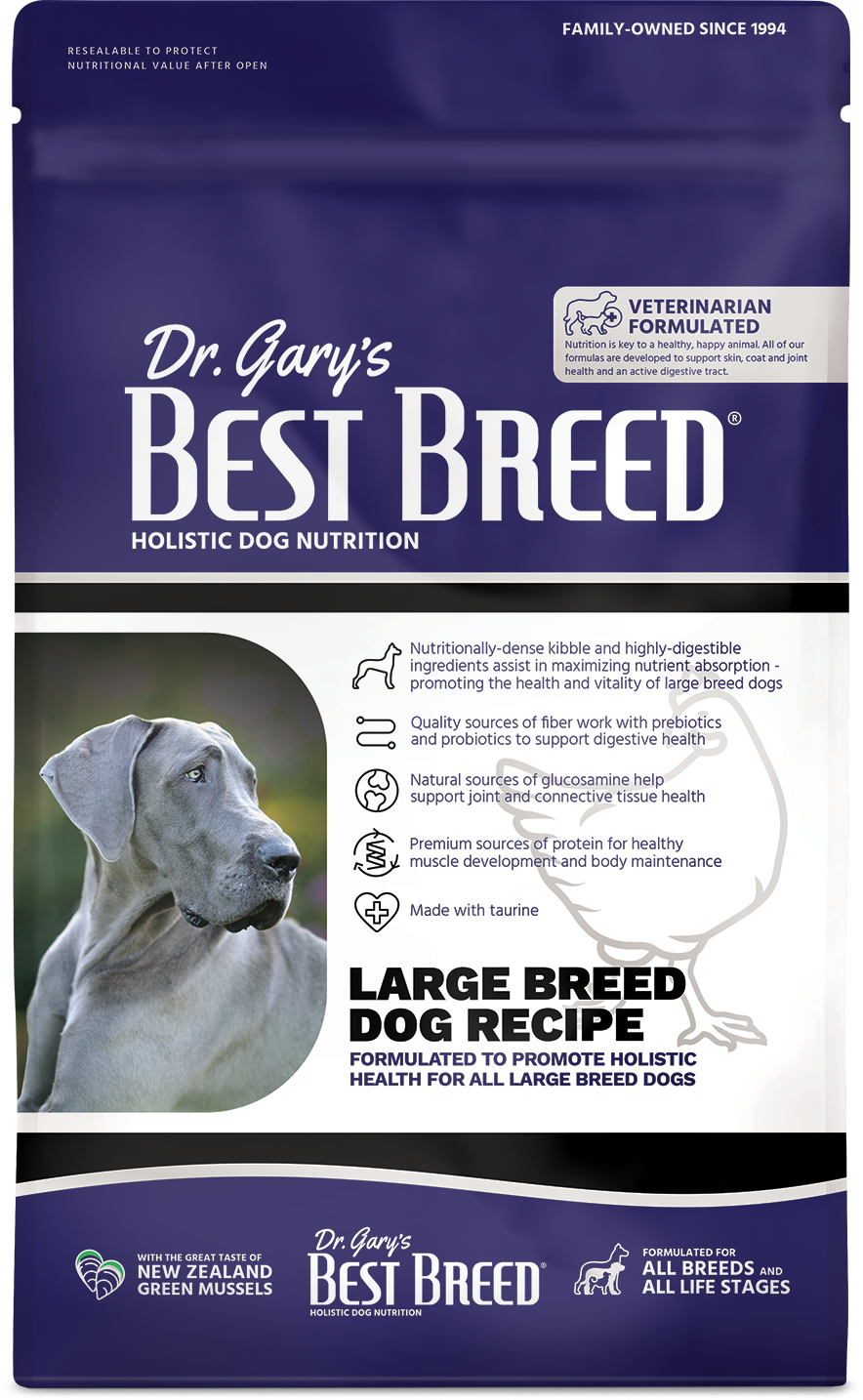
Specialty foods focus on joint health and digestion. Large breeds often face joint problems as they age. These formulas include glucosamine and chondroitin to support joints. They may also have added fiber for better digestion. Feeding your big dog these foods helps maintain comfort and mobility.
Homemade Meals For Big Dogs
Preparing homemade meals for big dogs gives control over their diet. It helps ensure they get fresh and healthy food. Homemade meals can support strong muscles and good energy.
Big dogs need more food than small dogs. Their meals must have the right balance of nutrients. Careful planning keeps your dog happy and healthy.
Balanced Recipe Ideas
Start with lean protein like chicken, beef, or turkey. Add cooked brown rice or sweet potatoes for carbs. Include vegetables like carrots, peas, or green beans. Mix in a small amount of healthy fat, such as olive oil.
Example recipe: 1 cup cooked chicken, 1 cup rice, ½ cup peas, 1 teaspoon olive oil. Adjust portions based on your dog’s weight and activity level.
Safe Ingredients To Use
Use fresh, plain meats without seasoning. Cook vegetables until soft and easy to digest. Choose whole grains like oats or quinoa. Fresh water should always be available.
Stick to natural ingredients. Avoid processed foods or anything with artificial additives.
Foods To Avoid
Never feed chocolate, grapes, or raisins. Onions and garlic can harm dogs. Avoid cooked bones, as they can splinter. Stay away from sugary or salty foods. Raw dough and caffeine are dangerous too.
These foods can cause serious health problems. Always check before giving any new food.
Supplements To Include
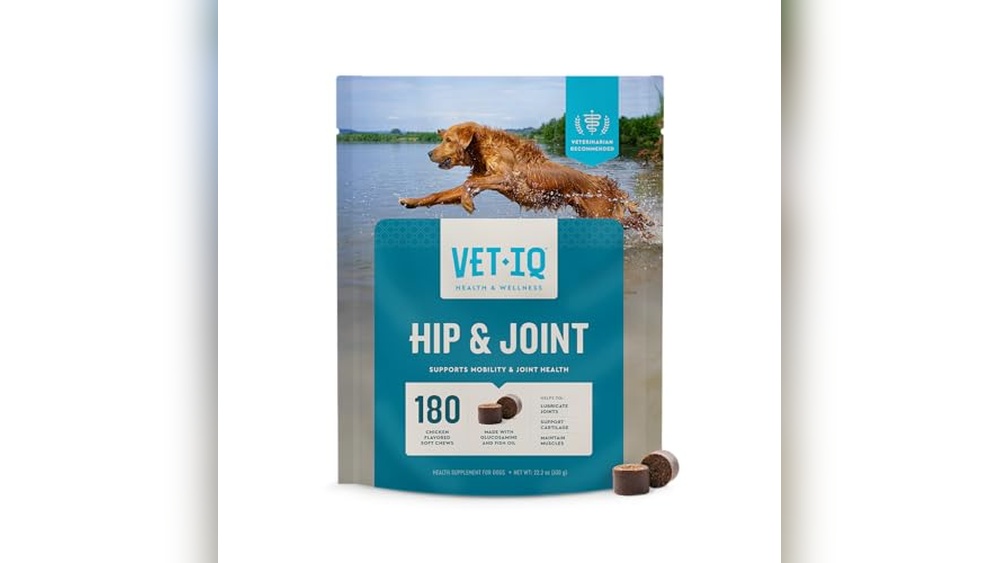
Fish oil helps keep the coat shiny and supports joints. Glucosamine supports bone and joint health. Probiotics aid digestion and improve gut health. Calcium is important for strong bones.
Consult your vet before adding supplements. Proper doses depend on your dog’s size and health.
Feeding Tips For Strong Pets
Feeding big dogs needs care and smart choices. Strong pets need the right food and habits. Proper feeding helps keep muscles strong and energy high. It also supports joint health and overall well-being. Follow these tips to feed your big dog well.
Portion Control
Give your dog the right amount of food. Too much causes weight gain, too little means low energy. Check the dog food label for portion size. Adjust portions based on your dog’s age, activity, and weight. Use a measuring cup to avoid overfeeding. Split meals into smaller portions if your dog eats fast.
Meal Frequency
Feed your big dog two to three times daily. Regular meals help maintain steady energy levels. Avoid free feeding to prevent overeating. Puppies may need more frequent meals. Adult dogs do well with two meals per day. Consistent meal times help with digestion and routine.
Hydration Importance
Fresh water is a must for big dogs. Water helps digestion and keeps joints healthy. Change water daily to keep it clean. Watch your dog’s water intake during hot days. Dehydration can cause serious health problems. Offer water before and after exercise for best care.
Monitoring Weight And Health
Check your dog’s weight regularly. Use a scale or visit the vet for accurate checks. Look for signs of weight gain or loss. Notice changes in energy or coat condition. Regular vet visits help catch health issues early. Healthy weight supports strong muscles and better mobility.
Credit: sowelancaster.org
Frequently Asked Questions
What Is The Best Diet For Large Dog Breeds?
Large dogs need a balanced diet rich in protein and healthy fats. Choose foods with joint-supporting supplements like glucosamine. Avoid fillers and artificial additives. High-quality kibble or raw diets tailored for big breeds ensure optimal growth and energy.
How Much Food Should Big Dogs Eat Daily?
Big dogs require more calories than smaller breeds. Feed them according to weight, activity level, and age. Typically, 2-4 cups of high-quality food split into two meals work well. Always monitor weight and adjust portions accordingly for health.
Which Ingredients Are Harmful To Large Dogs?
Avoid foods with artificial preservatives, fillers, and excessive grains. Ingredients like onions, garlic, chocolate, and xylitol are toxic. Also, steer clear of low-quality by-products. Always check labels to ensure your big dog’s food is safe and nutritious.
Can Big Dogs Eat Homemade Food Safely?
Yes, homemade meals can be healthy if balanced correctly. Include lean meats, vegetables, and grains in proper ratios. Consult a vet for nutrient requirements and supplements. Homemade food must meet all dietary needs to support large dogs’ health.
Conclusion
Choosing the best food for big dogs helps keep them strong and healthy. Good nutrition supports their joints and energy levels. Feeding them the right food can prevent health problems. Always check the ingredients for quality and balance. Remember, a happy dog starts with a happy meal.
Take time to find food your big dog enjoys. Healthy eating means a longer, better life for your pet. Keep their needs in mind and watch them thrive. Simple steps make a big difference for big dogs.