If you love hot dogs but want to take your cooking skills up a notch, you’re in the right place. Frying a hot dog might sound simple, but doing it the best way can make all the difference in flavor and texture.
Imagine biting into a hot dog with a perfectly crispy outside and juicy inside—sounds delicious, right? You’ll discover easy tips and tricks that will help you fry your hot dog just right every time. Ready to impress your taste buds and your friends?
Let’s dive in!
Credit: www.thekitchn.com
Choosing The Right Hot Dog
Choosing the right hot dog is the first step to frying a delicious snack. The type and quality of the hot dog affect taste and texture. A good hot dog makes frying easier and results better. This section helps pick the best hot dog for frying.
Types Of Hot Dogs
Hot dogs come in many types. Beef, pork, chicken, and turkey are common choices. Each type has a unique flavor and fat content. Beef hot dogs are rich and juicy. Chicken and turkey are lighter and leaner. Some hot dogs mix meats for a balanced taste. Choose a type that matches your flavor preference.
Quality Matters
Quality affects the final taste and cooking results. Look for hot dogs with natural ingredients and fewer fillers. High-quality hot dogs hold their shape when fried. They also have better texture and flavor. Avoid hot dogs with too many preservatives or artificial flavors. Freshness is key for the best frying experience.

Credit: www.youtube.com
Selecting The Best Oil
Selecting the best oil is a key step in frying hot dogs. The right oil affects taste, texture, and cooking safety. Choosing oil with a suitable smoke point and flavor creates a better fried hot dog. It also prevents burnt oil and unwanted smells. Let’s explore the best oil options for frying hot dogs and what to consider about smoke points and flavor.
Oil Options For Frying
Vegetable oil is common for frying hot dogs. It is affordable and has a neutral taste. Canola oil also works well. It has a light flavor and is good for high heat. Peanut oil gives a slight nutty taste and handles heat well. Olive oil adds a richer flavor but has a lower smoke point. Choose oil based on the taste you want and how hot you will cook.
Smoke Points And Flavor
Smoke point is the temperature where oil starts to burn. Burning oil makes bad smells and can spoil food taste. Oils with high smoke points are best for frying hot dogs. Vegetable, canola, and peanut oils have smoke points above 400°F. Olive oil’s smoke point is lower, around 375°F. Use olive oil at medium heat to avoid burning. Pick oil that can handle your frying temperature without smoking.
Preparing Hot Dogs For Frying
Preparing hot dogs correctly before frying makes a big difference. It helps the hot dogs cook evenly and taste better. Simple steps can stop them from bursting or drying out. Follow these tips to get the best results every time.
Scoring And Piercing Techniques
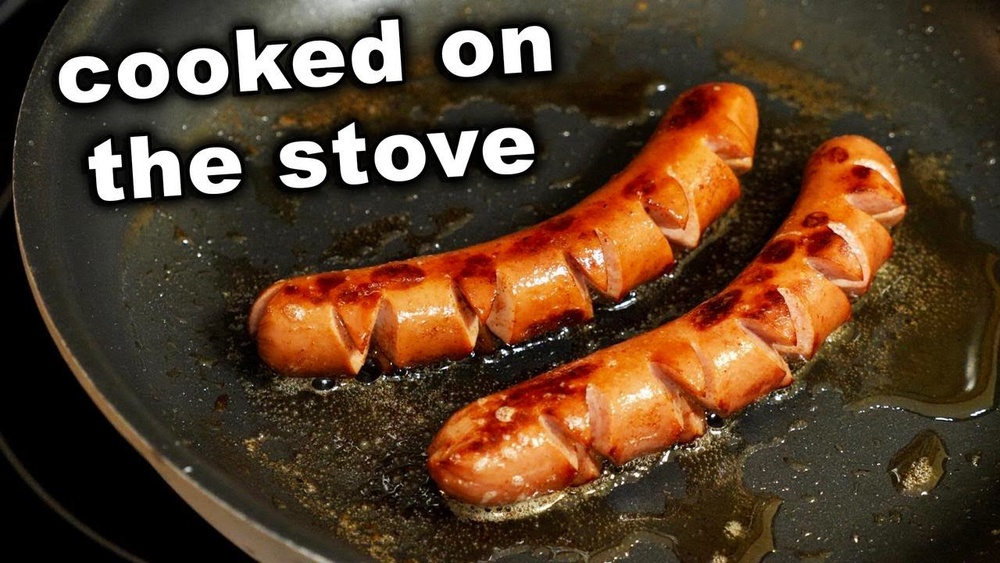
Scoring means cutting shallow lines on the hot dog’s surface. Use a sharp knife to make small diagonal cuts. This allows steam to escape while frying. It also creates a nice texture and look.
Piercing uses a fork or skewer to poke tiny holes. This method also prevents bursting. Be gentle to avoid squeezing out the juices. Both methods help the hot dog cook evenly inside.
Room Temperature Tips
Take hot dogs out of the fridge before frying. Let them sit at room temperature for about 10 minutes. This step helps the hot dogs cook more evenly. Cold hot dogs may cook unevenly or burst during frying.
Keeping hot dogs at room temperature also improves their texture. They become softer and more tender when fried. Avoid leaving them out too long to keep them safe to eat.
Frying Techniques For Crispiness
Frying hot dogs can make them crispy and tasty. The right technique brings a crunchy outside and juicy inside. Crispiness adds a nice texture that many people enjoy.
Choosing a good frying method helps get the perfect crisp. Two popular ways are pan frying and deep frying. Both give great results but work a little differently.
Pan Frying Method
Pan frying uses a small amount of oil in a skillet or frying pan. Heat the oil on medium. Place the hot dogs in the pan. Turn them often to cook evenly.
This method gives a golden brown skin with a slight crunch. It keeps the inside juicy. The slow heat helps the hot dog cook through without burning.
Use a non-stick pan to avoid sticking. Cook for about 5 to 7 minutes. Adjust time depending on size and heat level.
Deep Frying Method
Deep frying uses hot oil to cook the entire hot dog quickly. Heat oil to about 350°F (175°C). Carefully place the hot dogs in the oil.
This method creates a very crispy outside layer. The hot dogs cook fast and stay juicy inside. It gives a nice crunch all around.
Use a deep fryer or a heavy pot for safety. Fry for 2 to 4 minutes. Remove and drain on paper towels to remove excess oil.
Achieving Juicy Hot Dogs
Achieving juicy hot dogs starts with the right cooking method. Dry or tough hot dogs lose the fun of eating them. The goal is to keep the inside moist while giving the outside a nice crisp. This balance depends on how long and at what temperature you cook the hot dogs.
Cooking Times And Temperatures
Heat the pan to medium. Too high, and the hot dog will burn outside but stay cold inside. Too low, and it will dry out. Cook hot dogs for about 5 to 7 minutes. Turn them often for even cooking and browning. This helps keep the juices inside while creating a tasty outer layer.
Avoiding Overcooking
Overcooked hot dogs become dry and tough. Watch the color closely. When the skin is golden brown with small crisp spots, it is ready. Remove the hot dogs from the heat quickly. Rest them for a minute or two. This lets juices spread inside, making each bite juicy and soft.

Credit: www.businessinsider.com
Enhancing Flavor And Texture
Frying a hot dog is not just about cooking it fast. It is about making it taste better and feel right in your mouth. Enhancing flavor and texture makes the hot dog more enjoyable. The right steps bring out the best in each bite.
Seasoning Options
Sprinkle spices on the hot dog before frying. Salt and pepper are simple and good choices. Paprika or garlic powder adds a smoky touch. Try chili flakes for a little heat. Seasoning helps the hot dog taste richer and more complex.
Adding Toppings And Sides
Top the hot dog with fresh or cooked ingredients. Onions, mustard, and ketchup are classic options. Cheese melts well on hot dogs and adds creaminess. Sauerkraut gives a tangy crunch that pairs well. Serve with fries or a pickle for a full meal. Toppings and sides make the eating experience fun and tasty.
Serving Suggestions
Fried hot dogs taste best with the right sides and toppings. Choosing the perfect bun and creative ideas can make your meal special. Simple changes can bring new flavors and fun to your plate.
Try different combinations to find what you enjoy most. This section helps you serve fried hot dogs in tasty and exciting ways.
Best Buns For Fried Hot Dogs
Soft buns work well with fried hot dogs. Classic white buns absorb flavors and stay tender. Brioche buns add a slightly sweet taste and soft texture. Potato buns hold up well and add a mild flavor. Toast buns lightly to add crunch and prevent sogginess. Warm buns make the hot dog feel fresh and tasty.
Creative Serving Ideas
Top fried hot dogs with classic mustard, ketchup, and relish for a simple treat. Add chopped onions or sauerkraut for extra crunch. Try spicy jalapeños or pickles for a bold twist. Use cheese slices or melted cheese sauce for richness. Serve hot dogs with coleslaw or potato salad for a side dish. Wrap hot dogs in bacon before frying for smoky flavor. Experiment with different toppings to keep meals exciting.
Cleaning Up After Frying
Cleaning up after frying hot dogs is important. It keeps your kitchen safe and ready for the next cooking session. Proper cleanup also helps extend the life of your cooking tools. Take a few simple steps to handle the mess and leftover oil.
Oil Disposal Tips
Never pour used oil down the drain. It can clog pipes and harm the environment. Let the oil cool completely after frying. Pour it into a sealable container. Use a funnel to avoid spills. Check if your local recycling center accepts cooking oil. Otherwise, dispose of it with household trash.
Pan Maintenance
After frying, wipe the pan with paper towels to remove leftover oil. Wash it with warm water and mild dish soap. Use a soft sponge to avoid scratching the surface. Dry the pan thoroughly to prevent rust. Store it in a dry place. Regular care keeps your pan working well for many hot dog meals.
Frequently Asked Questions
What Is The Best Oil For Frying Hot Dogs?
Vegetable oil and canola oil are ideal for frying hot dogs. They have high smoke points, ensuring even cooking without burning. These oils add a crispy texture while preserving the hot dog’s flavor.
How Long Should I Fry A Hot Dog?
Fry hot dogs for about 3-5 minutes on medium heat. Turn them frequently for even browning and crispness. Avoid overcooking to prevent dryness and maintain juiciness.
Should I Slice Hot Dogs Before Frying?
Slicing hot dogs is optional but recommended. It helps cook them evenly and adds texture. Slits also prevent hot dogs from bursting during frying.
Can I Fry Hot Dogs Without Oil?
Yes, you can fry hot dogs in a non-stick pan without oil. Heat the pan to medium and turn the hot dogs often. This method reduces fat but may result in less crispiness.
Conclusion
Frying a hot dog is quick and easy. Use medium heat for even cooking. Turn the hot dog often for a crispy outside. Avoid burning by watching it closely. A little oil helps prevent sticking. Serve hot with your favorite toppings.
Enjoy a tasty snack anytime you want. Simple steps make a big difference. Try this method for a perfect hot dog every time.