If your dog is constantly licking their paws or seems uncomfortable, yeasty paws might be the culprit. You want your furry friend to feel happy and healthy, but stubborn yeast infections can make that tough.
The good news? There are simple and effective treatments that can bring quick relief to your dog’s itchy, irritated paws. You’ll discover the best ways to tackle yeasty dog paws and help your pet get back to their playful self.
Keep reading—your dog’s comfort is just a few steps away.
Causes Of Yeasty Paws
Yeasty paws in dogs happen when yeast grows too much on their feet. This causes itching, redness, and a bad smell. Understanding why this happens helps treat it better. Several factors cause yeast to grow and make your dog uncomfortable.
Common Triggers
Yeast grows fast when the skin is weak or injured. Cuts and scrapes let yeast enter easily. Poor grooming also leads to buildup of dirt and oils. These create a perfect home for yeast. Stress and poor diet can lower your dog’s defense. This makes yeast infections more likely.
Role Of Allergies
Allergies often cause itchy skin and paws. Dogs scratch and lick their paws a lot. This damages the skin and lets yeast grow. Food allergies or pollen can trigger these reactions. Treating allergies can help stop yeast infections. It breaks the cycle of itching and yeast growth.
Impact Of Moisture
Yeast loves damp and warm places. Wet paws from rain, swimming, or baths stay moist longer. This moisture helps yeast multiply quickly. Dry paws well after they get wet. This stops yeast from growing too much. Keeping paws dry is a key step in prevention.
Credit: dixhillsanimalhospital.com
Signs And Symptoms
Yeasty dog paws can cause discomfort and irritation. Recognizing the signs early helps treat the problem faster. Dogs cannot tell us when they feel itchy or sore. Observing changes in their paws and behavior is key. Knowing the symptoms can prevent worsening of the infection.
Visual Indicators
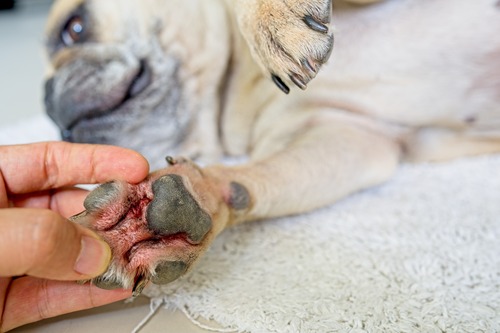
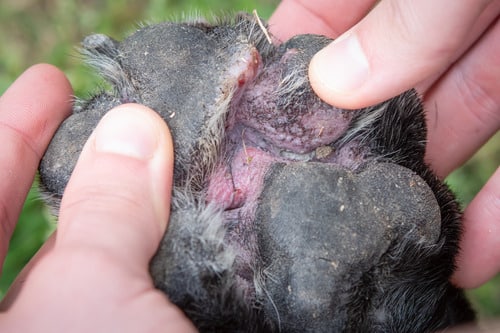
Redness and swelling around the paws often appear first. The skin may look moist or shiny. Crusty or flaky patches can develop on the paw pads. You might notice a strong, yeasty smell. Sometimes, the area looks greasy or oily. Blisters or sores may form in severe cases. These signs show a possible yeast infection.
Behavioral Changes
Your dog may lick or chew its paws often. Constant scratching can cause sores or hair loss. They may limp or avoid putting weight on a paw. Restlessness or irritability can increase from discomfort. Dogs might hide or act withdrawn. These behaviors signal pain or itching from yeast.
When To See A Vet
If signs persist more than a few days, consult a vet. Sudden swelling or bleeding needs immediate attention. If your dog stops eating or acts very tired, see a vet. When home treatments fail, professional care is necessary. Early vet visits prevent complications and speed recovery.
Home Remedies For Relief
Yeasty paws can make dogs uncomfortable and itchy. Home remedies can help ease the problem safely. These treatments support healing and reduce yeast growth. They are easy to do and use common items.
Cleaning And Drying Techniques
Keep your dog’s paws clean and dry. Wash gently with warm water and mild soap. Avoid harsh chemicals that can irritate the skin. After washing, dry paws thoroughly with a soft towel. Moisture invites yeast to grow. Use a hairdryer on low, if your dog allows it. Check paws daily for dirt or debris. Clean paws help stop yeast buildup.
Natural Antifungal Options
Some natural ingredients fight yeast effectively. Apple cider vinegar diluted with water works well. Spray or soak paws for a few minutes, then dry. Coconut oil has antifungal properties and soothes skin. Rub a small amount on affected areas twice daily. Tea tree oil is another option but must be diluted. Use with caution to avoid skin irritation. Natural options reduce yeast without harsh chemicals.
Soothing Treatments
Soothing helps reduce itching and inflammation. Aloe vera gel cools and heals irritated skin. Apply a thin layer on the paws gently. Oatmeal baths calm the skin and ease discomfort. Mix ground oatmeal in warm water and soak paws for 10 minutes. Calendula cream can also help soothe and repair skin. These treatments provide comfort and support recovery.

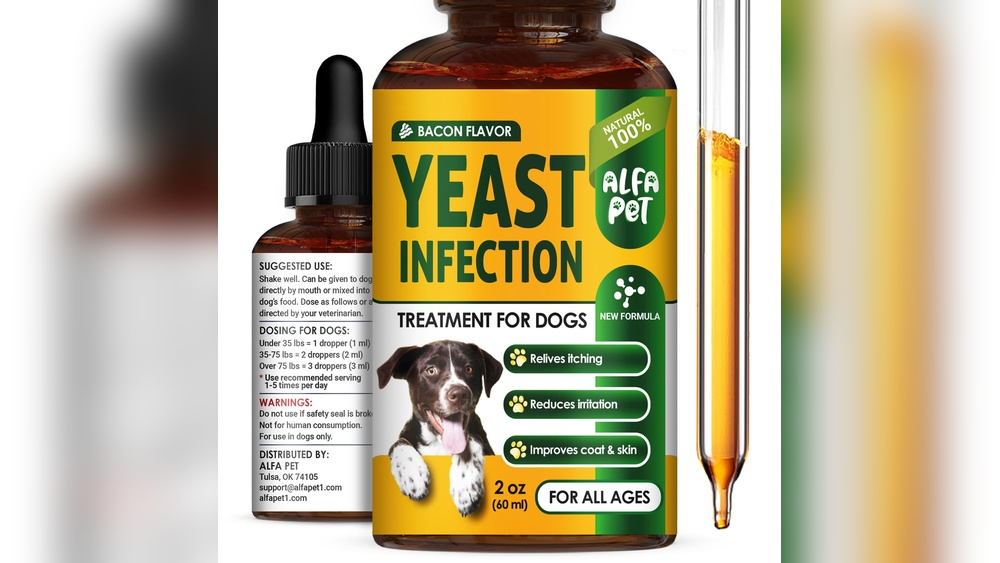
Credit: www.amazon.com
Medications And Vet Treatments
Medications and vet treatments play a key role in healing yeasty dog paws. This condition causes discomfort and itching. Proper treatment helps stop the infection and soothes your dog’s paws. Vets choose treatments based on the infection’s severity and your dog’s health. The right medicines clear the yeast and prevent future problems.
Topical Antifungals
Topical antifungals are creams or sprays applied directly to the paws. They kill yeast on the skin’s surface. These medicines reduce itching and redness fast. Common types include miconazole and clotrimazole. Applying as the vet advises is important. Cleaning the paws before use helps the medicine work better. Topicals are best for mild to moderate infections.
Oral Medications
Oral medications fight yeast infections from inside the body. Vets prescribe these for severe or widespread cases. Common drugs are ketoconazole and fluconazole. They reach areas topical creams cannot. Oral meds require exact doses and full treatment time. Stopping early can cause the infection to return. Watch for side effects and report them to your vet.
Follow-up Care
Follow-up care ensures the infection fully clears. Vets may schedule visits to check healing progress. They might adjust medication based on results. Keeping paws clean and dry helps prevent yeast regrowth. Regular paw inspections catch issues early. Good follow-up care leads to healthier, happier paws for your dog.
Preventing Yeasty Paws
Preventing yeasty paws is key to keeping your dog comfortable and healthy. Yeast thrives in warm, moist places like paws. Stopping yeast growth early helps avoid itching, redness, and infections. Simple steps can make a big difference in prevention.
Hygiene Practices
Clean your dog’s paws after walks or outdoor play. Use a damp cloth or pet-safe wipes to remove dirt and debris. Dry paws thoroughly to stop moisture buildup. Trim the hair between toes to improve airflow. Regular paw checks catch problems early.
Diet And Supplements
A balanced diet supports your dog’s immune system. Avoid foods high in sugar and grains, which can feed yeast. Add probiotics to help maintain healthy gut bacteria. Omega-3 fatty acids reduce inflammation and improve skin health. Consult your vet before adding supplements.
Environmental Adjustments
Keep your dog’s living area clean and dry. Wash bedding often and change damp towels. Use absorbent mats to soak up moisture from wet paws. Avoid walking on hot or wet surfaces for long periods. Proper ventilation reduces humidity and yeast growth.
Credit: arrowheadvets.com
Frequently Asked Questions
What Causes Yeast Infections On Dog Paws?
Yeast infections on dog paws are caused by excess moisture and warmth. Allergies, poor hygiene, and weakened immunity also contribute to yeast overgrowth, leading to irritation and discomfort.
How Can I Treat Yeast On My Dog’s Paws At Home?
Clean your dog’s paws daily with antifungal wipes or a medicated shampoo. Dry thoroughly, apply prescribed antifungal creams, and keep the paws dry to prevent yeast growth.
When Should I See A Vet For Yeasty Dog Paws?
Visit a vet if symptoms worsen or persist beyond a week. Signs include severe itching, redness, swelling, or a foul odor, indicating a serious infection needing professional care.
Can Diet Impact Yeast Infections In Dogs?
Yes, a balanced diet with limited sugars and carbs can reduce yeast growth. Omega-3 fatty acids and probiotics also help maintain healthy skin and immune function.
Conclusion
Treating yeasty dog paws needs care and patience. Clean the paws gently every day. Use vet-approved creams to ease irritation. Keep your dog’s paws dry and cool. Check for signs of infection regularly. Healthy paws mean a happy, active dog.
Small steps bring big relief. Always consult your vet if problems persist. Your dog deserves comfort and care. Simple actions help your dog feel better fast.