Keeping your dog properly hydrated is one of the simplest ways to ensure they stay healthy and happy. But are you really giving your furry friend the best water habits?
You might be surprised how small changes can make a big difference in your dog’s energy, mood, and overall well-being. You’ll discover easy and effective ways to keep your dog well-hydrated every day. Stick with me, and you’ll learn tips that can boost your dog’s health in ways you never thought possible.

Credit: goodwag.com
Why Hydration Matters
Water is vital for your dog’s health. It helps keep their body working well. Hydration supports digestion, temperature control, and joint movement. Without enough water, dogs can suffer from serious health problems. Understanding why hydration matters helps you care better for your pet.
Signs Of Dehydration In Dogs
Watch for dry gums and sticky mouth. Your dog may pant more than usual. Eyes can look sunken or dull. Skin loses its normal elasticity. You might see less energy or weakness. These signs show your dog needs water fast.
Health Risks Of Poor Hydration
Dehydration can cause kidney damage and urinary problems. It raises the chance of heatstroke on hot days. Poor hydration affects blood flow and heart health. It can lead to severe illness or even death. Keeping your dog hydrated prevents these dangers.
Ideal Water Intake For Dogs
Water is essential for every dog’s health. Proper hydration supports digestion, circulation, and temperature control. Knowing the ideal water intake helps keep dogs active and happy. Each dog’s water needs differ based on many factors. Understanding these needs ensures your dog stays well hydrated all day.
Factors Affecting Hydration Needs
Activity level changes how much water a dog needs. Dogs that run or play more need extra water. Weather also plays a role. Hot days increase thirst and water loss. Cool days might lower water intake. Health status matters too. Sick dogs may drink more or less water. Diet affects hydration as well. Wet food provides more moisture than dry food. Age is another factor. Puppies and older dogs need different water amounts. Keep these factors in mind to adjust water supply.
Daily Water Requirements By Size And Breed
Small dogs need less water than large dogs. A tiny dog may need about half a cup daily. Medium breeds require one to two cups. Large breeds often need three or more cups per day. Some breeds naturally drink more water. Active breeds like retrievers use more water. Less active breeds drink less. Always provide fresh water for your dog. Monitor your dog’s drinking habits for signs of dehydration.
Choosing The Right Water Source
Choosing the right water source for your dog is very important. Water quality affects your dog’s health. Clean, safe water helps keep your dog happy and active.
Not all water sources are the same. Some may contain harmful chemicals or bacteria. Knowing the best water for your dog helps avoid health issues.
Tap Water Vs. Filtered Water
Tap water is easy to access and usually safe. It passes local safety tests before reaching your home. Still, it can contain chlorine and minerals that might upset your dog’s stomach.
Filtered water removes many chemicals and impurities. Filters reduce chlorine, lead, and other harmful substances. This water tastes better and is gentler on your dog’s body.
Choosing filtered water can improve your dog’s hydration and health. It is a safer option, especially for dogs with sensitive stomachs.
Safe Alternatives For Hydration
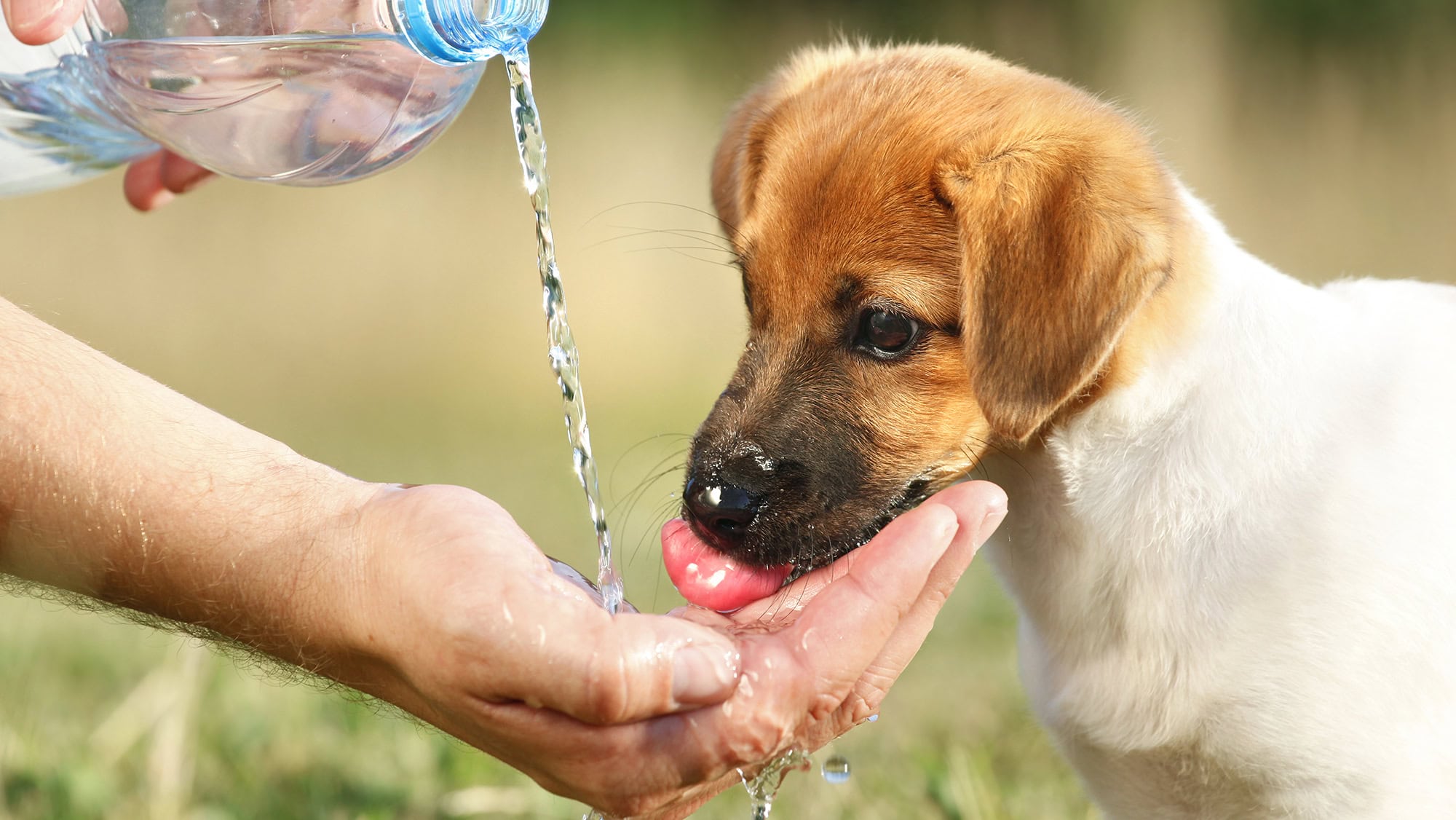
Besides tap and filtered water, some other safe options exist. Bottled water is clean but can be costly over time. Avoid flavored or sweetened water, as these can harm your dog.
Fresh rainwater can be safe if collected properly and stored cleanly. Always check for signs of contamination before giving it to your dog.
Ice cubes made from clean water also help dogs drink more during hot days. They can be a fun and cooling treat.
Credit: thevets.com
Tips To Encourage Drinking
Keeping your dog hydrated is very important for their health. Some dogs do not drink enough water. This can cause problems like dehydration or kidney issues. You can try simple tips to encourage your dog to drink more water daily. Small changes can make a big difference in their water intake.
Enhancing Water Flavor
Plain water can be boring for dogs. Add a little flavor to make it more appealing. Try mixing in a small amount of low-sodium chicken broth. You can also add ice cubes made from broth for a tasty treat. Fresh water with a hint of flavor can encourage more drinking.
Using Water Bowls And Fountains
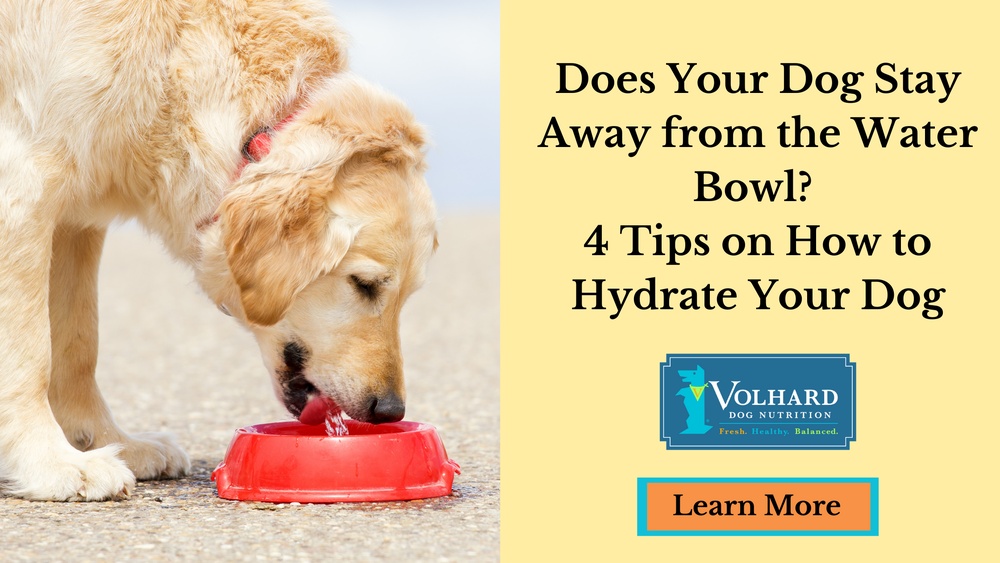
Choose the right water bowl for your dog. Some dogs prefer wide and shallow bowls. Others like tall and narrow ones. Keep the bowl clean and refill it often. A pet water fountain keeps water moving and fresh. Moving water can attract dogs and make them drink more.
Incorporating Wet Food
Wet food contains moisture that helps hydrate your dog. Mix wet food with dry kibble to increase water intake. This is especially helpful for picky eaters. You can also add a little water to wet food to boost hydration. Using wet food supports your dog’s hydration naturally.
Hydration During Exercise And Heat
Keeping dogs hydrated during exercise and heat is very important. Dogs lose water fast through panting and activity. Without enough water, they risk heat stress and dehydration. Proper hydration helps dogs stay healthy and active in warm weather.
Pre- And Post-activity Hydration
Give your dog water before starting any exercise. This prepares their body for the activity. Offer small amounts often instead of a large drink all at once. After exercise, provide water again to replace lost fluids. Watch your dog’s water intake and encourage regular drinking breaks.
Cooling Strategies For Hot Days
Exercise your dog during cooler times, like early morning or late evening. Provide shade and fresh water at all times. Use wet towels or cooling mats to help lower your dog’s body temperature. Avoid hard exercise on very hot days to prevent overheating.
Hydration For Special Needs Dogs
Hydration is very important for dogs with special needs. Their bodies may need more care to stay healthy. Water helps their organs work well and keeps them active. Special needs dogs can include puppies, senior dogs, or dogs with medical issues. Each group has different hydration needs to stay strong and happy.
Puppies And Senior Dogs
Puppies need water to grow and stay energetic. They play a lot and lose water quickly. Fresh water should always be available for them. Senior dogs can have weaker kidneys and less thirst. They might not drink enough on their own. Offer water often and encourage them gently. Use shallow bowls to make drinking easy. Adding water to their food helps increase hydration.
Dogs With Medical Conditions
Dogs with health problems may need special hydration care. Conditions like kidney disease or diabetes can cause dehydration. Monitor their water intake closely every day. Some dogs may need extra fluids given by a vet. Use clean water and avoid sugary drinks. Wet food can also add moisture to their diet. Keep their water bowls clean to prevent illness.
Signs Of Overhydration
Overhydration in dogs happens when they drink too much water in a short time. This can upset their body’s balance and cause health problems. Knowing the signs of overhydration helps keep your dog safe and healthy. Watch your dog carefully to spot any unusual behavior or symptoms early. Early detection can prevent serious issues.
Symptoms To Watch For
Look for swelling in your dog’s face or legs. Vomiting and diarrhea may also appear. Your dog might seem weak or tired. Some dogs show restlessness or unusual whining. Breathing may become faster or harder. Loss of coordination or stumbling can happen too. Keep an eye on your dog’s drinking habits and energy level.
When To Seek Veterinary Care
Take your dog to the vet if symptoms get worse or don’t improve. Immediate care is needed if your dog vomits often or seems very weak. Difficulty breathing or seizures require urgent attention. Contact your vet if your dog shows confusion or loss of balance. Early treatment can stop serious health risks from overhydration.
Credit: www.houndsy.com
Frequently Asked Questions
How Much Water Should Dogs Drink Daily?
Dogs need about one ounce of water per pound daily. This varies by size, activity, and weather. Always provide fresh water to keep them hydrated and healthy.
What Are Signs Of Dehydration In Dogs?
Look for dry gums, lethargy, sunken eyes, and loss of appetite. Excessive panting and slow skin return also indicate dehydration. Early detection is crucial for prompt care.
Can Dogs Drink Flavored Or Bottled Water?
Plain water is best for dogs. Avoid flavored or sugary water, which can harm their health. Bottled water is safe but not necessary if tap water is clean.
How Can I Encourage My Dog To Drink More Water?
Use fresh, clean water and change it regularly. Add ice cubes or low-sodium broth for flavor. Provide multiple water bowls around the house to encourage drinking.
Conclusion
Keeping your dog well-hydrated is very important. Fresh water should always be available. Offer water often, especially after play or walks. Wet dog food can also help with hydration. Avoid giving sugary or salty drinks. Watch for signs of dehydration like dry gums or tiredness.
Simple steps keep your dog healthy and happy. Hydration supports energy, digestion, and overall health. Small efforts make a big difference every day. Your dog will thank you with more wagging tails.