

If your dog struggles with allergies, you know how hard it is to find the right food. Carbs are an important part of their diet, but not all carbs are created equal.
Choosing the best carbs for dogs with allergies can make a big difference in your furry friend’s comfort and health. You’ll discover which carbs are gentle on sensitive stomachs and which ones to avoid. Keep reading to help your dog feel their best every day.
Carbs And Dog Allergies
Carbohydrates play an important role in your dog’s diet, especially for dogs with allergies. Some carbs can trigger allergic reactions, while others can support health and energy. Choosing the right carbohydrates helps manage allergy symptoms and keeps dogs feeling good.
Role Of Carbs In Dog Diets
Carbs provide energy for daily activities and support digestion. They offer fiber, which helps keep the gut healthy. A balanced amount of carbs supports overall well-being. Dogs need carbs from quality sources for steady energy. Not all carbs are the same for dogs.
How Allergies Affect Carb Choices
Some dogs react to common carb sources like wheat or corn. Allergies may cause itching, swelling, or digestive issues. Choosing hypoallergenic carbs helps avoid these reactions. Rice, sweet potatoes, and oats often work well for sensitive dogs. Avoiding common allergens reduces the risk of flare-ups.
Signs Of Carb Sensitivities
Carbohydrates can sometimes cause problems for dogs with allergies. Dogs may react to certain carb sources, showing signs that something is wrong. Recognizing these signs early helps manage your dog’s diet better. This section covers common symptoms and when to check carb sources.
Common Allergy Symptoms In Dogs
Dogs with carb sensitivities often show skin problems. Itching and redness are common signs. You may notice hair loss or hot spots. Digestive issues like diarrhea or vomiting can also appear. Some dogs have ear infections or a bad smell. These symptoms point to possible carb intolerance.
When To Check Carb Sources
Check your dog’s food if symptoms persist. Look at the ingredient list carefully. Common carb sources include wheat, corn, and soy. Some dogs react to rice or barley too. Try switching to limited carb diets or hypoallergenic foods. Monitor your dog’s response after changes. Consult a vet for proper diagnosis and advice.
Top Carb Choices For Allergic Dogs
Choosing the right carbohydrates for dogs with allergies is important. Some carbs can cause reactions. Others are gentle and nutritious. These top carb choices help maintain good health. They support digestion and do not trigger allergies. Each option provides unique benefits for sensitive dogs.
Sweet Potatoes
Sweet potatoes are a great carb source for allergic dogs. They are easy to digest and rich in fiber. Sweet potatoes contain vitamins A and C, which support the immune system. Their natural sweetness makes them tasty for dogs. They rarely cause allergic reactions, making them safe.
Pumpkin
Pumpkin is another excellent carb choice. It helps with digestion and soothes the stomach. Pumpkin is high in fiber and low in calories. It contains antioxidants that promote overall health. Many dogs enjoy the mild flavor of pumpkin. It is gentle on sensitive stomachs.
Quinoa
Quinoa is a grain that suits allergic dogs well. It is gluten-free and rich in protein. Quinoa has essential amino acids and fiber. This grain supports energy and muscle health. It also contains vitamins and minerals that boost immunity. Quinoa is easy to cook and digest.
Brown Rice
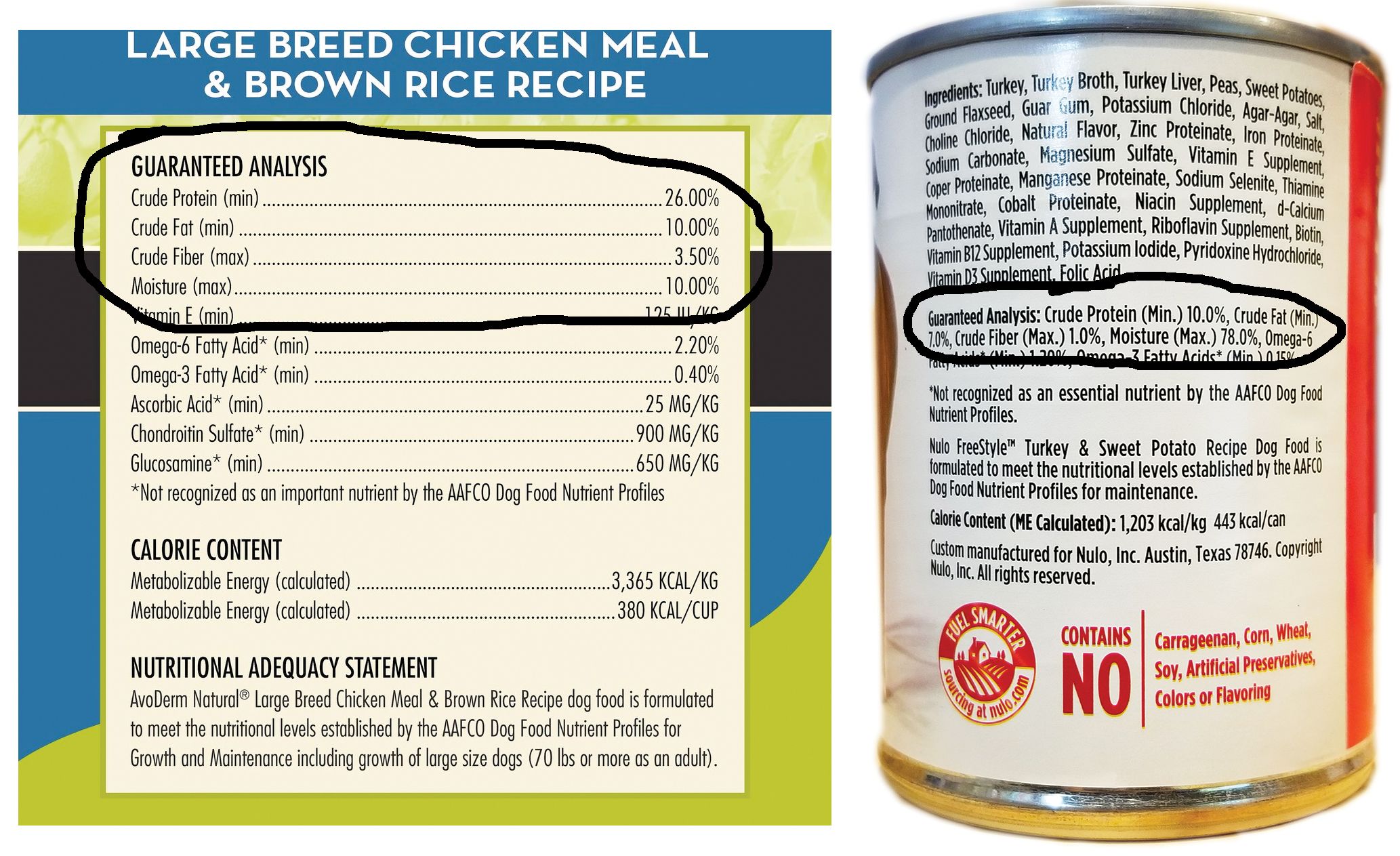
Brown rice is a common carb for dogs with allergies. It is whole grain and contains fiber. Brown rice helps regulate blood sugar and aids digestion. It is less processed than white rice. This makes it more nutritious and better tolerated by sensitive dogs.
Oats
Oats provide slow-release energy for allergic dogs. They are rich in soluble fiber, which supports the gut. Oats contain vitamins and minerals that improve skin health. They are gluten-free in pure form. Oats can help reduce inflammation and itching.
Credit: www.whole-dog-journal.com
Benefits Of Each Carb Source
Choosing the right carbs for dogs with allergies helps improve their health. Each carb source offers unique benefits. Understanding these benefits guides better food choices. It supports dogs’ digestion and reduces allergic reactions.
Nutritional Value
Carbs provide energy for active dogs. Sweet potatoes offer vitamins A and C. Brown rice contains fiber and minerals. Oats give essential nutrients like iron. These carbs support overall health and vitality.
Digestibility
Some carbs are easier to digest for sensitive dogs. White rice is gentle on the stomach. Pumpkin helps with smooth digestion. Quinoa is light and nutrient-rich. Easy digestion reduces tummy problems and discomfort.
Hypoallergenic Properties
Hypoallergenic carbs lower the risk of allergies. Sweet potatoes rarely cause reactions. Peas are less likely to trigger allergies. Tapioca is a safe option for many dogs. These carbs help avoid allergic flare-ups.
Carb Preparation Tips
Preparing carbohydrates for dogs with allergies requires careful steps. Proper preparation ensures the carbs are safe and healthy. It helps keep nutrients intact and avoids triggering allergic reactions.
Cooking Methods To Retain Nutrients
Steaming is a gentle way to cook carbs. It keeps most vitamins and minerals in the food. Boiling can wash out nutrients, so avoid overcooking. Baking or roasting at low heat also works well. These methods keep the carbs tasty and nutritious.
Avoiding Common Allergens In Processing
Use fresh, whole ingredients without additives. Avoid processed carbs with fillers or preservatives. Check labels for hidden allergens like wheat or corn. Preparing carbs at home limits exposure to unknown allergens. Clean all utensils and surfaces to prevent cross-contamination.

Credit: www.hladnovrockchoir.com
Combining Carbs With Other Ingredients
Combining carbohydrates with other ingredients in your dog’s diet needs careful thought. Allergic dogs require meals that reduce irritation and support health. Choosing the right mix helps improve digestion and energy. It also lowers the chance of allergic reactions. Balanced meals that include safe carbs and proteins work best. Avoiding certain foods alongside carbs keeps allergies calm and controlled.
Balanced Meals For Allergic Dogs
Balanced meals for allergic dogs include carbs, protein, and fats. Rice, sweet potatoes, and oats are good carb choices. Pair these with lean meats like turkey or fish. Vegetables such as green beans and carrots add fiber. This mix supports digestion and overall health. Avoid heavy fats that can upset sensitive stomachs. Small portions spread across the day keep energy steady. Hydration is also key, so provide fresh water always.
Foods To Avoid Alongside Carbs
Avoid foods that often trigger allergies in dogs. Common culprits include wheat, corn, and soy. These can cause itching, swelling, or digestive upset. Also, steer clear of dairy products and eggs if your dog is sensitive. Processed foods with artificial additives can worsen symptoms. Avoid mixing carbs with fatty or spicy foods. Such combinations may cause stomach pain or diarrhea. Stick to simple, natural ingredients for best results.
Monitoring And Adjusting Diet
Adjusting the diet of dogs with allergies requires careful monitoring. Changes in food can affect their health in many ways. It is important to watch how your dog reacts to new carbs and meals. This helps you find the best diet that reduces allergy symptoms and supports overall health.
Tracking your dog’s progress helps you see if the diet works. You can notice improvements or signs that need attention. Keeping a close eye on your dog’s condition allows you to make smart decisions about their food.
Tracking Allergy Improvements
Write down your dog’s symptoms every day. Note any itching, redness, or stomach issues. Compare these notes week by week. Look for less scratching or clearer skin. Better digestion is also a good sign.
Use a simple chart or app to track changes. Record the type of carbs and meals given. This makes it easier to spot which foods help or cause problems. Small improvements mean the diet may be working well.
When To Consult A Vet
Contact your vet if symptoms get worse or do not improve. Sudden changes in behavior or health need professional advice. Your vet can suggest allergy tests or different diets.
Regular check-ups are important during diet changes. A vet can help adjust the diet safely. Never change your dog’s food without consulting a vet first. They ensure your dog gets the right nutrients without harm.

Credit: thedoggiesdeli.com
Frequently Asked Questions
What Are The Best Carbs For Dogs With Allergies?
The best carbs for allergic dogs include sweet potatoes, pumpkin, and quinoa. These options are hypoallergenic and easy to digest. They provide energy without triggering common allergies.
Can Dogs With Allergies Eat Rice Safely?
Yes, plain white or brown rice is generally safe for allergic dogs. Rice is gentle on the stomach and rarely causes allergic reactions.
Are Grains Bad For Dogs With Allergies?
Not all grains are bad; some dogs tolerate grains like oats and quinoa well. Avoid common allergens like wheat, corn, and soy for sensitive dogs.
How Do Carbs Affect Allergic Dogs’ Digestion?
Good carbs support healthy digestion and reduce inflammation in allergic dogs. They provide fiber, which aids gut health and minimizes allergic symptoms.
Conclusion
Choosing the right carbs helps dogs with allergies feel better. Simple, gentle options like sweet potatoes and rice work well. Avoiding common allergens keeps your dog healthy and happy. Always watch how your dog reacts to new foods. A good diet supports their energy and overall health.
Caring for allergic dogs takes patience and attention. Small changes can make a big difference in comfort. Feed wisely, and your dog will thank you every day.


