
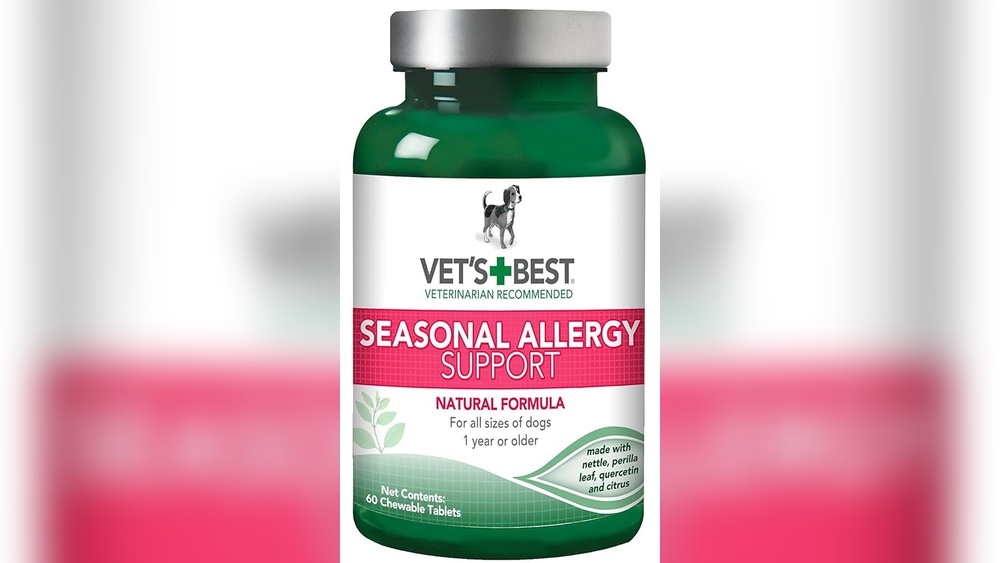
If your dog is scratching more than usual or seems uncomfortable, allergies might be the cause. Finding the best allergy support for dogs can be confusing, but it’s crucial for your furry friend’s comfort and health.
You want to see your dog happy, playful, and itch-free. You’ll discover simple, effective ways to help ease your dog’s allergy symptoms and improve their quality of life. Keep reading to learn how you can make a real difference for your loyal companion.

Credit: www.amazon.com
Common Allergies In Dogs
Dogs can suffer from many types of allergies. These allergies affect their skin, ears, and digestion. Knowing the common allergies helps you spot symptoms early. You can then provide the right care and support.
Environmental Triggers
Pollens, dust, and mold are common environmental allergens. Dogs breathe these particles daily during walks or playtime. These triggers often cause itchy skin, sneezing, and watery eyes. Seasonal allergies may flare up in spring or fall.
Food Sensitivities
Some dogs react to certain foods. Common culprits include beef, dairy, and wheat. Food sensitivities can cause itching, upset stomach, or diarrhea. Testing and diet changes help identify problem foods. Feeding hypoallergenic or limited-ingredient diets can reduce symptoms.
Flea Allergies
Flea allergy dermatitis is a common problem. Dogs allergic to flea saliva develop intense itching. Even a few flea bites can trigger reactions. Flea control and regular grooming are vital. This allergy causes redness, hair loss, and sores on the skin.

Credit: www.abetterwaypetcare.com
Signs Of Allergies In Dogs
Dogs can suffer from allergies just like people. Recognizing allergy signs early helps keep dogs healthy and comfortable. Allergies show in different ways. Some affect the skin, others the stomach, or even behavior. Watch closely for these signs to support your dog well.
Skin Irritations
Itchy skin is a common allergy sign in dogs. You may see redness, swelling, or bumps. Dogs often scratch or bite their skin. Hair loss can happen in spots. Sometimes, the skin looks dry or flaky. These signs may appear on paws, ears, belly, or face.
Digestive Issues
Allergies can upset a dog’s stomach. Vomiting or diarrhea may occur. Some dogs have gas or bloating. They might eat less or lose weight. Stomach problems can start suddenly or come and go. Watch your dog’s eating habits and bathroom routine.
Behavioral Changes
Allergies can make dogs act differently. They may seem tired or restless. Some dogs hide or avoid touch. Others become more irritable or bark more. Changes in behavior often point to discomfort. Pay attention to your dog’s mood and activity levels.
Natural Remedies For Allergy Relief
Natural remedies offer gentle ways to ease your dog’s allergy symptoms. These treatments work with the body’s own healing process. They reduce itching, redness, and discomfort without harsh chemicals. Using natural options can support your dog’s health and comfort every day.
Oatmeal Baths
Oatmeal baths soothe irritated skin and calm itching. Ground oatmeal mixes with warm water to create a gentle bath. This helps remove allergens and moisturizes dry skin. Many dogs feel relief after just one bath. Oatmeal also reduces inflammation and supports skin healing.
Coconut Oil Benefits
Coconut oil has natural anti-inflammatory and antibacterial properties. Apply a small amount to your dog’s skin or add it to their food. It helps fight infections and improves coat health. Coconut oil also keeps skin soft and reduces redness. This natural oil is safe and easy to use daily.
Probiotics And Supplements
Probiotics support your dog’s immune system and gut health. A healthy gut can reduce allergic reactions. Supplements like fish oil provide omega-3 fatty acids. These help lower inflammation and improve skin condition. Choose high-quality products designed for dogs. Regular use can enhance overall allergy relief.
Over-the-counter Treatments
Over-the-counter treatments offer easy ways to help dogs with allergies. These products can reduce itching, redness, and discomfort. They do not need a prescription and are available at pet stores or online. Always check with a vet before starting any new treatment for your dog.
Antihistamines For Dogs
Antihistamines block chemicals that cause allergic reactions. Common options include diphenhydramine and cetirizine. They can help reduce itching and swelling. Dosage depends on your dog’s size and health. Never give human medicine without vet advice.
Topical Sprays And Creams
Topical sprays and creams soothe irritated skin quickly. These products often contain ingredients like aloe or hydrocortisone. They calm inflammation and reduce redness. Apply them directly to the affected areas. Avoid letting your dog lick the treated spots.
Medicated Shampoos
Medicated shampoos clean and treat allergy symptoms on the skin. They remove allergens and calm itching. Use shampoos with oatmeal or anti-itch agents. Follow instructions for how often to bathe your dog. Regular use can improve your dog’s skin health.
Dietary Changes To Reduce Allergies
Diet plays a big role in managing dog allergies. Changing a dog’s diet helps reduce allergic reactions. Food allergies often cause itching, redness, and digestive problems. Choosing the right diet supports your dog’s health and comfort.
Hypoallergenic Dog Food
Hypoallergenic dog food uses special ingredients. It avoids common allergens like wheat, soy, and beef. These foods have proteins that cause fewer allergies. Many dogs feel better after switching to hypoallergenic food. This diet helps calm the immune system and reduce symptoms.
Elimination Diets
An elimination diet finds the cause of allergies. It removes all potential allergens from the dog’s food. New foods are added back one at a time. Watch closely for any allergic reactions. This method helps identify the exact food causing problems.
Adding Omega-3 Fatty Acids
Omega-3 fatty acids reduce inflammation in dogs. They come from fish oil or flaxseed oil. Adding omega-3 helps soothe itchy skin and improve coat health. Regular omega-3 supplements support the immune system. They are a natural way to ease allergy symptoms.
Credit: vetsbest.com
When To See A Veterinarian
Knowing when to see a veterinarian is important for your dog’s health. Allergies can cause many problems. Some signs need quick attention. Others need a professional check to prevent harm. Acting early helps your dog feel better and stay safe.
Persistent Symptoms
Watch for signs that last more than a week. Scratching, licking, or redness that does not stop needs a vet visit. Continuous symptoms can mean an infection or deeper issue. Do not wait too long to get help.
Severe Allergic Reactions
Swelling of the face, difficulty breathing, or collapse are emergencies. These signs need immediate veterinary care. Severe reactions can be life-threatening. Quick action can save your dog’s life.
Diagnostic Testing
A vet can run tests to find allergy causes. Blood tests, skin tests, or food trials help identify triggers. Knowing the exact allergy helps in choosing the right treatment. Testing avoids guesswork and improves care.
Preventing Allergies In Dogs
Preventing allergies in dogs helps keep them healthy and happy. Allergies cause itching, redness, and discomfort. Avoiding triggers can reduce these problems. Simple steps at home can protect your dog from allergic reactions.
Regular Grooming
Brush your dog often to remove dirt and allergens. Bathing with gentle shampoo cleans the skin and fur. Regular grooming reduces the chance of skin irritation. Check for signs of redness or bumps during grooming.
Environmental Control
Keep your home clean and dust-free. Vacuum floors and furniture often to remove allergens. Wash your dog’s bedding regularly in hot water. Avoid smoking or strong scents around your dog. Use air purifiers to lower airborne allergens.
Flea Prevention Strategies
Fleas can cause severe allergic reactions in dogs. Use flea prevention products recommended by your vet. Treat your home and yard to control fleas. Check your dog’s skin and coat for fleas frequently. Flea control helps prevent itching and skin infections.
Frequently Asked Questions
What Are Common Symptoms Of Dog Allergies?
Common symptoms include itching, redness, ear infections, sneezing, and watery eyes. Dogs may also lick paws excessively or develop hot spots. Early detection helps in effective allergy management and improves your dog’s comfort and health.
How Can I Naturally Support My Allergic Dog?
Natural support includes a balanced diet rich in omega-3 fatty acids, regular baths with hypoallergenic shampoo, and avoiding allergens like pollen or certain foods. Supplements such as probiotics and fish oil can boost the immune system and reduce inflammation.
Which Supplements Help Dogs With Allergies?
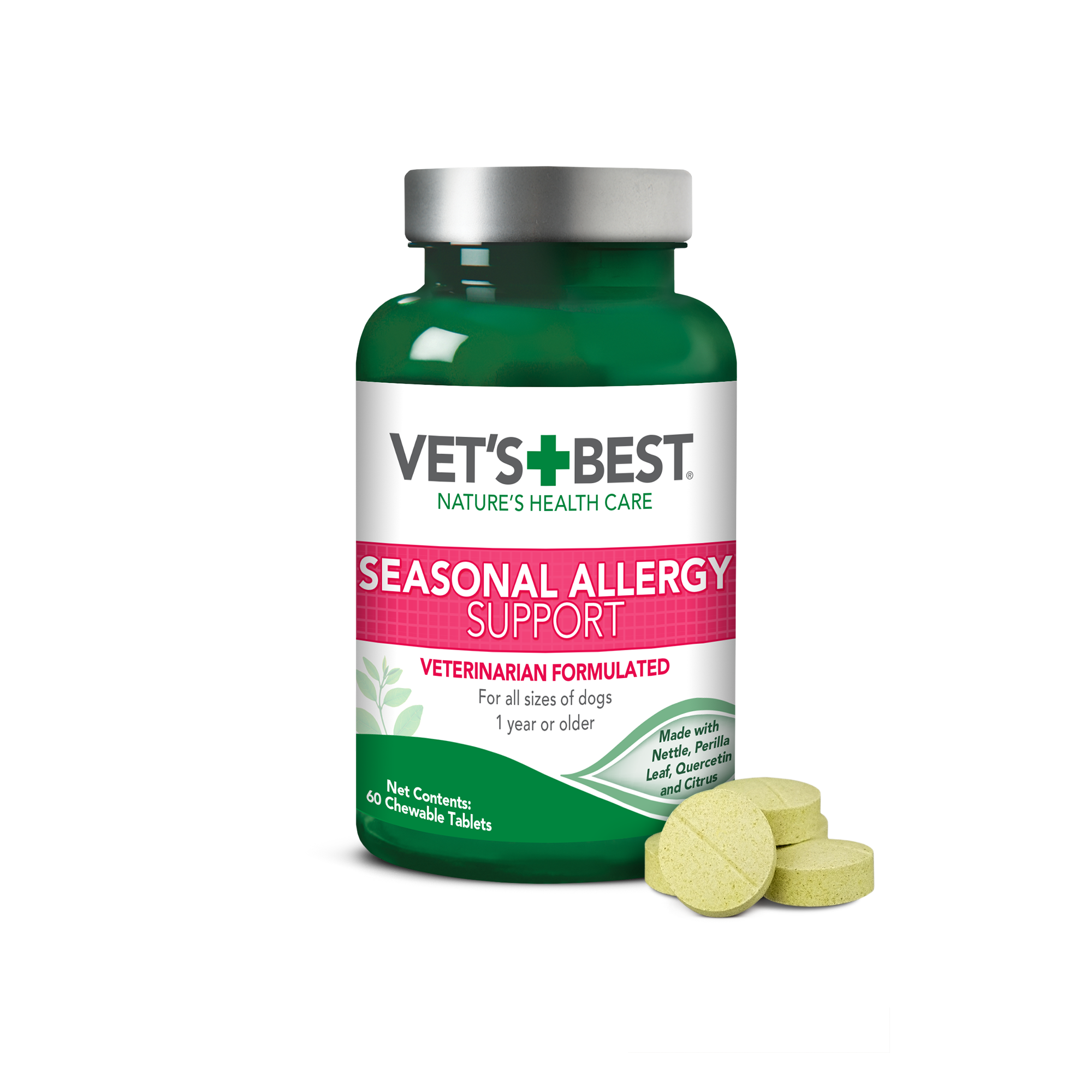
Supplements like omega-3 fatty acids, probiotics, and quercetin help reduce inflammation and strengthen immunity. These support skin health and can lessen allergy symptoms when combined with vet-approved treatments.
When Should I See A Vet For My Dog’s Allergies?
Visit a vet if symptoms persist beyond two weeks, worsen, or cause significant discomfort. A vet can diagnose specific allergies and recommend appropriate treatments like medications or allergy shots.
Conclusion
Helping your dog with allergies is important for their health. Choose safe and gentle products that suit your dog’s needs. Watch for signs of discomfort and act quickly. Consult your vet to get the best advice and treatment. Small steps can make your dog feel much better.
Healthy, happy pets need proper allergy care every day. Keep learning and caring to support your dog’s well-being. Your dog deserves comfort and love through every season.


