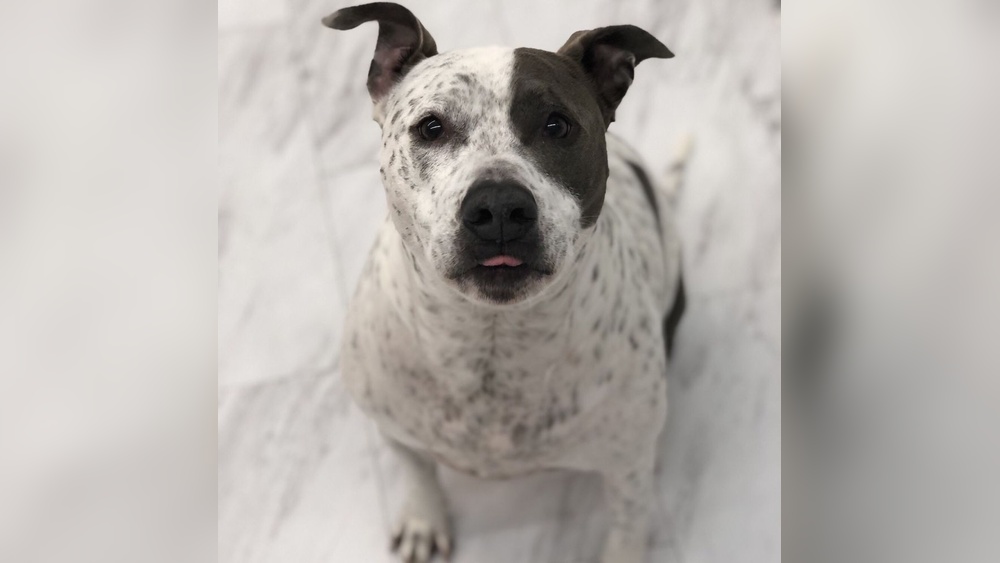
If your dog turns their nose up at most meals, you know how frustrating mealtime can be. Finding the best food for picky eater dogs isn’t just about filling a bowl—it’s about keeping your furry friend happy, healthy, and excited to eat.
You want to give your dog tasty, nutritious food that they actually enjoy. You’ll discover simple tips and top food choices that will make mealtime something your dog looks forward to every day. Keep reading to unlock the secrets to satisfying even the fussiest canine appetite.

Credit: www.bddtesting.com
Reasons Dogs Become Picky Eaters
Many dogs refuse to eat their food at times. This behavior puzzles many dog owners. Understanding why dogs become picky eaters helps solve feeding problems. Several reasons can cause this behavior. Health, environment, and behavior all play key roles.
Health Issues Impacting Appetite
Health problems often reduce a dog’s desire to eat. Dental pain makes chewing difficult and uncomfortable. Digestive issues cause nausea or stomach upset. Illnesses like infections or organ problems lower appetite. Regular vet checks catch these issues early. Treating health problems often restores normal eating habits.
Environmental Factors
Changes in surroundings can affect a dog’s eating. Loud noises or new places cause stress. A messy or uncomfortable feeding area may deter eating. Other pets or distractions nearby also impact focus on food. Keeping a calm, consistent place helps dogs eat better.
Behavioral Causes
Some dogs develop picky habits due to training or routine. Owners offering treats or scraps often spoil appetite. Dogs may hold out for tastier options. Boredom with the same food makes dogs less interested. Positive training and variety can improve eating behavior.
Key Nutrients For Picky Dogs
Picky dogs need special care in their diet to stay healthy and happy. Key nutrients help make food tasty and nutritious. These nutrients keep dogs strong, energetic, and vibrant. Understanding these nutrients helps choose the best food for your picky eater.
Proteins That Appeal
Proteins build muscles and repair tissues. Dogs love protein from meat like chicken, beef, or fish. These proteins taste good and provide essential amino acids. Quality protein helps keep your dog active and fit. Try varied protein sources to find what your dog prefers.
Essential Fats And Oils
Fats give energy and keep skin shiny. Omega-3 and Omega-6 fatty acids are vital for brain and coat health. Fish oil and flaxseed oil are good fat sources. These fats also help reduce inflammation and support joints. Including healthy oils makes food more appealing.
Vitamins And Minerals To Include
Vitamins and minerals support the immune system and overall health. Vitamin A, C, and E protect cells and improve vision. Calcium and phosphorus strengthen bones and teeth. Zinc and iron help with healing and energy. Balanced vitamins and minerals keep your dog feeling their best.
Top Tasty Dog Foods To Try
Finding the right food for picky dogs can be tough. Dogs may refuse meals for many reasons. Taste, texture, and smell all matter. Choosing tasty options helps encourage eating. Here are top tasty dog foods to try. Each type offers unique benefits and flavors. Explore wet, dry, and freeze-dried choices below.
Wet Food Options
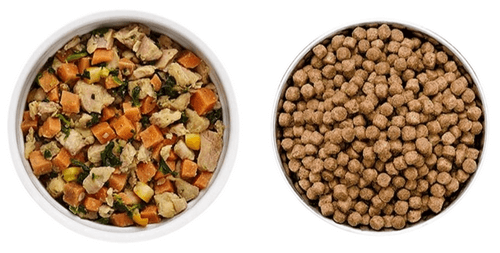
Wet dog food has a strong aroma that attracts picky eaters. It is soft and easy to chew. Many dogs enjoy the juicy texture. Wet food often contains high moisture, which helps hydration. Look for options with real meat or fish. Avoid foods with too many fillers or artificial ingredients. Wet food is great for dogs with dental issues or low appetite.
Dry Food Varieties
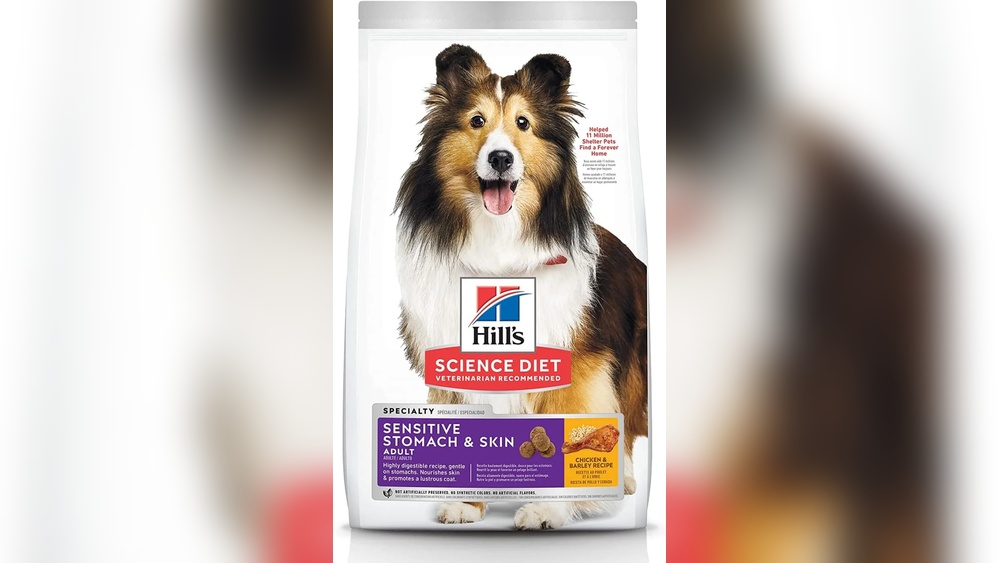
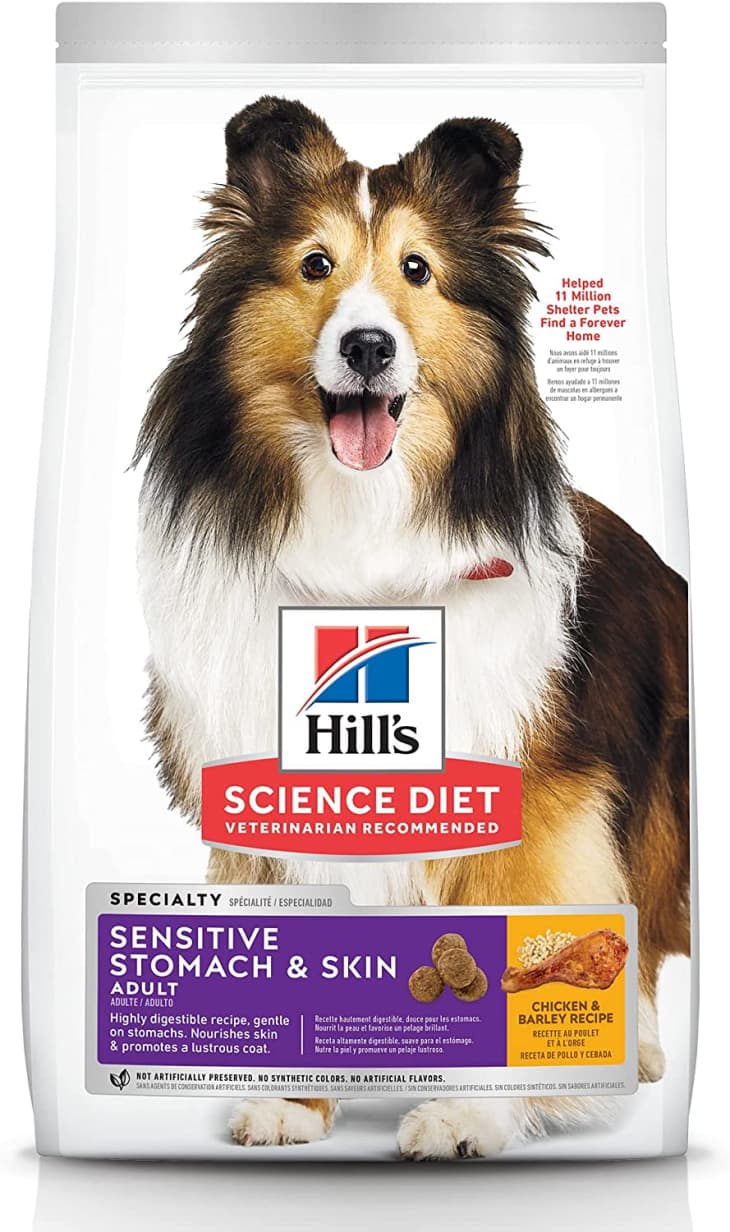
Dry food is crunchy and helps clean teeth. It lasts longer and is easy to store. Some picky dogs prefer dry kibble for its texture. Choose dry food with quality protein and no fillers. Grain-free or limited ingredient formulas may suit sensitive dogs. Mixing dry food with a little water or wet food can increase appeal. Dry food offers convenience and nutrition in one.
Freeze-dried And Dehydrated Choices
Freeze-dried and dehydrated foods keep nutrients intact. They have a strong natural flavor that excites dogs. These foods require adding water before serving. They combine benefits of wet and dry food. Great for picky dogs who want variety. Look for options with simple ingredients and real meat. Freeze-dried meals are lightweight and easy to store too.
Homemade Meals And Treats
Homemade meals and treats offer a great way to feed picky eater dogs. Preparing food at home lets you control the ingredients. This helps ensure your dog enjoys every bite. It also allows you to avoid additives and preservatives found in some commercial foods. Making food yourself can strengthen the bond with your pet. Plus, you can customize meals to suit your dog’s taste and dietary needs.
Easy Recipes For Picky Eaters
Simple recipes often work best for picky dogs. Try boiled chicken mixed with cooked rice. Add small amounts of steamed carrots or peas for variety. You can also blend cooked sweet potatoes with lean ground turkey. Keep flavors mild and avoid strong spices. These gentle meals appeal to sensitive palates. Small portions encourage your dog to try new foods.
Safe Ingredients To Use
Choose ingredients that are safe and healthy for dogs. Lean meats like chicken, turkey, and beef are good choices. Brown rice and oats provide easy digestion. Vegetables such as carrots, green beans, and pumpkin add nutrients. Plain yogurt can help with digestion and add flavor. Always cook ingredients thoroughly to avoid bacteria. Fresh water should be available during meals.
Avoiding Harmful Foods
Certain foods can harm dogs and must be avoided. Chocolate, grapes, and raisins are toxic to dogs. Onions and garlic can cause health problems. Avoid foods with high salt, sugar, or fat content. Never feed cooked bones; they can splinter and hurt your dog. Raw dough and alcohol are dangerous too. Always check ingredients before feeding your dog homemade treats.
Tips To Encourage Better Eating Habits
Helping picky dogs eat better takes patience and smart strategies. Dogs develop habits based on consistency and positive experiences. Small changes can lead to big improvements in their eating habits. Below are simple tips that encourage better eating behaviors in picky eaters.
Establishing A Feeding Routine
Set specific times for feeding your dog every day. Dogs feel safe with regular schedules. Avoid leaving food out all day. Offer meals for 15 to 20 minutes only. Remove uneaten food after that time. This encourages dogs to eat when food is available. A routine helps reduce fussiness and builds good habits.
Making Mealtime Fun
Turn eating into a playful activity. Use puzzle feeders or treat-dispensing toys. These make dogs work a little for their food. Play helps stimulate their mind and appetite. Try changing the feeding spot or adding variety. Mixing wet and dry food can also attract picky eaters. Fun mealtimes can improve interest in food.
Using Supplements And Appetite Enhancers
Some dogs need a little help to eat well. Natural supplements like fish oil can boost taste and health. Appetite enhancers from vets can increase hunger safely. Always check with a vet before adding supplements. Use these aids for short periods only. They support better eating without harming your dog.
Credit: www.hladnovrockchoir.com
When To Consult A Veterinarian
Knowing when to consult a veterinarian is key for picky eater dogs. Sometimes, a lack of appetite signals more than simple fussiness. Timely professional advice helps keep your dog healthy and happy. Watch your pet closely and act if eating habits change suddenly or worsen.
Recognizing Serious Issues
Loss of appetite can mean illness. Look for signs like vomiting, diarrhea, or weight loss. Lethargy or unusual behavior also matter. These signs suggest a health problem, not just picky eating. Do not ignore persistent or severe symptoms.
Diagnostic Tests For Appetite Problems
Veterinarians use tests to find the cause. Blood tests check organ function and infections. X-rays or ultrasounds reveal internal problems. Sometimes stool tests help find parasites. These tests guide the right treatment for your dog.
Treatment Options
Treatment depends on the diagnosis. Some dogs need medication to fight infections. Others benefit from diet changes or supplements. In severe cases, hospitalization might be necessary. Follow your vet’s advice closely for best results.
Credit: www.dogfoodadvisor.com
Frequently Asked Questions
What Are The Best Foods For Picky Eater Dogs?
The best foods for picky eater dogs are high-quality, palatable, and nutritious. Wet food, homemade meals, and limited ingredient diets often work well. Adding tasty toppers like broth or cheese can also increase appeal and encourage eating.
How Can I Make Dog Food More Appealing?
Enhance dog food by warming it slightly or adding broth, cooked vegetables, or a small amount of cheese. Mixing wet and dry food can improve texture. These simple tweaks make meals more enticing for picky dogs.
Are Homemade Diets Good For Picky Dogs?
Yes, homemade diets can be excellent for picky dogs if balanced properly. They allow customization to your dog’s taste and nutritional needs. Consult a vet or pet nutritionist to ensure complete and safe meals.
Can Treats Improve A Picky Dog’s Appetite?
Treats can stimulate appetite if given in moderation. Use healthy, flavorful treats to encourage eating. Avoid overfeeding treats to prevent reduced interest in regular meals or weight gain.
Conclusion
Choosing the right food helps picky dogs eat happily. Try different flavors and textures to find what they like. Healthy ingredients keep dogs strong and active every day. Patience and care make mealtime less stressful for both. Enjoy watching your dog enjoy meals with good nutrition.
Feeding picky eaters well builds a strong, happy bond. Keep meals simple, tasty, and full of good nutrients. Your dog deserves food that tastes great and feels good.