

Have you ever wondered why your cat and dog eat different kinds of food? Understanding the nutritional differences between cats and dogs can help you make better choices for their health.
Your furry friends have unique dietary needs that affect their energy, growth, and overall wellbeing. If you want to give your pets the best nutrition possible, keep reading to discover what sets their diets apart and how you can meet their specific needs every day.
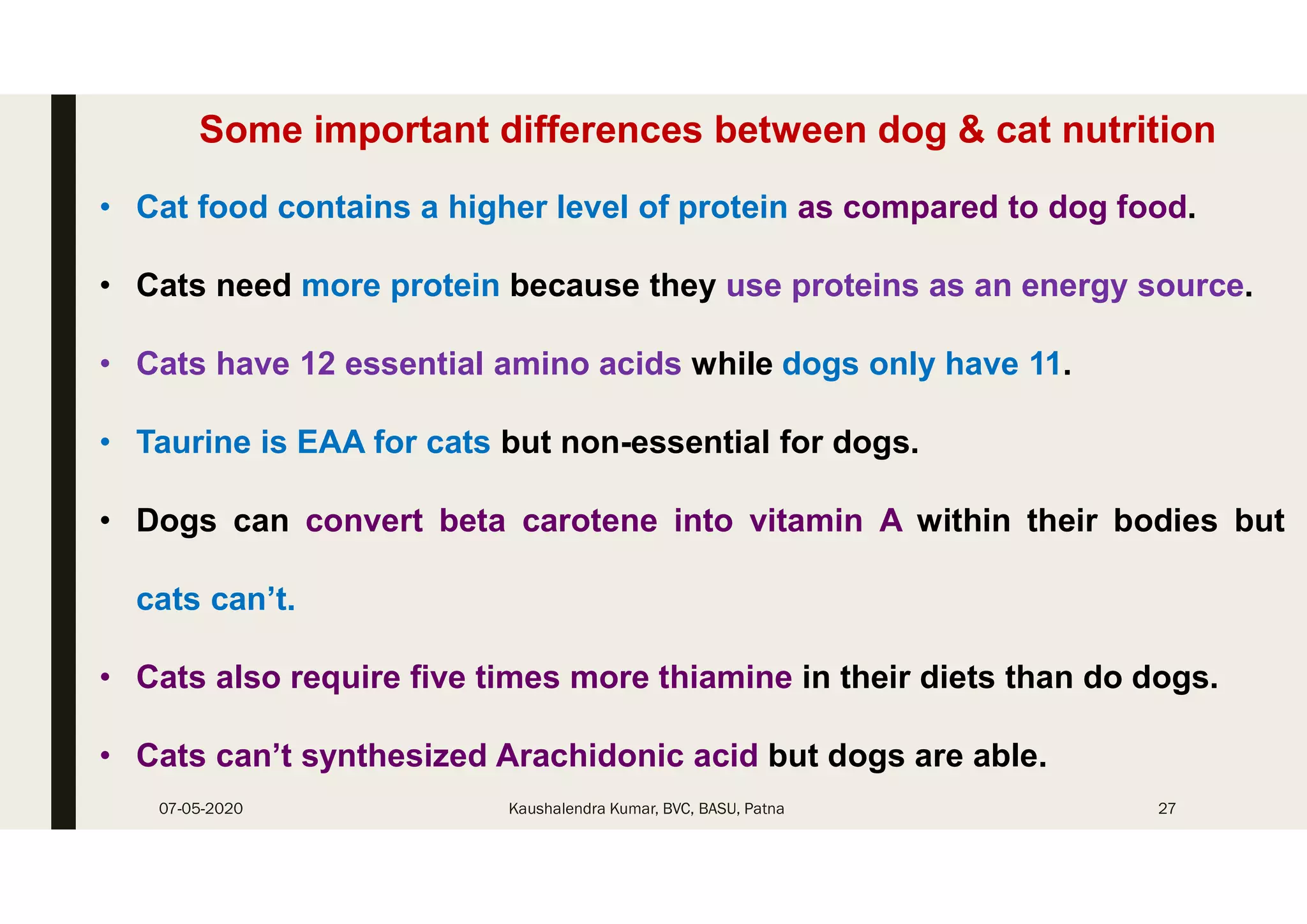
Credit: www.slideshare.net
Dietary Needs Of Cats
Cats have special dietary needs that differ from dogs. Their bodies require certain nutrients to stay healthy. Understanding these needs helps provide the right food for your cat.
Obligate Carnivore Traits
Cats are obligate carnivores. This means they must eat meat to survive. Their bodies cannot make some nutrients found only in animal tissue. They rely on animal protein for energy and health.
Their digestive systems are short and designed to break down meat quickly. Cats have a strong need for amino acids like taurine and arginine. Plants cannot provide enough of these nutrients for cats.
Key Nutrients For Cats
Taurine is vital for a cat’s heart and vision. Cats cannot produce enough of it on their own. Vitamin A from animal sources is essential, unlike dogs that can convert plant forms.
Arachidonic acid, a type of fat, supports skin and coat health. Cats must get it from animal fats. Protein levels in cat food are higher than in dog food to meet their needs.
Common Nutritional Deficiencies
Taurine deficiency can cause blindness and heart problems. Lack of vitamin A leads to poor coat and immune issues. Arachidonic acid shortage affects skin and reproduction.
Feeding cats dog food can cause these deficiencies. Dog food lacks enough protein and certain nutrients cats need. Proper cat food helps avoid these health risks.
Dietary Needs Of Dogs
Dogs need a balanced diet to stay healthy and active. Their food must provide energy and important nutrients. Understanding their dietary needs helps owners choose the right food. Dogs are different from cats in what they need to eat. This section explains the key points about dog nutrition.
Omnivorous Adaptations
Dogs can eat both plants and meat. Their teeth and digestive system suit this mixed diet. Unlike cats, dogs can digest starch and some vegetables. This ability comes from thousands of years of living with humans. It allows dogs to get nutrients from many foods.
Essential Nutrients For Dogs
Dogs need proteins, fats, and carbohydrates for energy. Proteins help build muscles and repair tissues. Fats provide energy and support brain health. Carbohydrates give quick energy and help digestion. Dogs also need vitamins and minerals to stay strong. Calcium and phosphorus keep bones healthy. Vitamin A helps with vision and immune system.
Nutritional Challenges In Dogs
Feeding dogs the wrong food can cause problems. Too much fat may lead to obesity. Lack of protein can cause weak muscles. Some dogs have allergies to certain ingredients. Overfeeding can cause digestive issues and illness. Owners must find balanced food that fits their dog’s age and size.
Protein Requirements
Protein is a vital nutrient for both cats and dogs. It supports growth, repair, and energy. Yet, cats and dogs have different protein needs based on their biology and lifestyle. Understanding these differences helps pet owners provide the right diet for their furry friends.
Cats’ High Protein Demand
Cats are true carnivores. Their bodies rely heavily on protein for energy. Cats need more protein than dogs to maintain muscle and overall health. They also require certain amino acids, like taurine, found only in animal proteins. Without enough protein, cats can suffer from weakness and poor organ function.
Dogs’ Protein Needs
Dogs are omnivores and need protein, but less than cats. Their bodies can use protein along with carbohydrates and fats for energy. Dogs need a balanced diet with moderate protein to support muscles and immune health. Too little protein can cause muscle loss and slow recovery from illness.
Fat And Fatty Acids
Fats and fatty acids are vital nutrients for both cats and dogs. They provide energy and support many body functions. These nutrients help keep skin and fur healthy. They also aid in brain and eye development. Despite these shared benefits, cats and dogs process fats differently due to their unique diets and biology.
Importance Of Fats For Cats
Cats need fats to survive and thrive. They require specific fatty acids like arachidonic acid. Cats cannot make these acids on their own. Fats help cats absorb vitamins A, D, E, and K. These vitamins are crucial for their immune and bone health. Cats also use fats to maintain body temperature and store energy.
Fat Metabolism In Dogs
Dogs can convert some fatty acids into others they need. This ability makes their fat needs more flexible. Dogs use fats mainly for energy and cell function. They also benefit from omega-3 and omega-6 fatty acids. These fats reduce inflammation and support heart health. Dogs need a balanced amount of fats for good overall health.
Vitamins And Minerals
Vitamins and minerals play a key role in the health of cats and dogs. These nutrients support the immune system, bones, skin, and energy levels. Both animals need a balanced intake, but their requirements differ. Cats and dogs process vitamins and minerals in unique ways. Understanding these differences helps provide the right nutrition for each pet.
Taurine And Vitamin A In Cats
Cats need taurine, an amino acid vital for heart and eye health. Unlike dogs, cats cannot make taurine in their bodies. They must get it from their food. A lack of taurine can cause blindness and heart problems in cats.
Vitamin A is also crucial for cats. They cannot convert beta-carotene into vitamin A. Cats need preformed vitamin A found only in animal tissues. Without enough vitamin A, cats may suffer from skin and vision issues.
Vitamin And Mineral Needs In Dogs
Dogs can create taurine in their bodies, so they do not need it in their diet. They convert beta-carotene from plants into vitamin A. Dogs require a balanced mix of vitamins like D, E, and K for healthy bones and blood.
Minerals such as calcium, phosphorus, and zinc are important for dogs. These minerals help with muscle function, bone strength, and wound healing. Proper vitamin and mineral levels keep dogs active and healthy.

Credit: www.ukvetcompanionanimal.com
Carbohydrate Metabolism
Carbohydrate metabolism plays a key role in the diets of cats and dogs. It affects how they use energy from food. Cats and dogs process carbohydrates differently. These differences impact their health and nutrition needs.
Cats’ Limited Carb Digestion
Cats have a low ability to digest carbohydrates. Their bodies produce fewer enzymes to break down starch. Cats rely mostly on protein and fat for energy. Excess carbs can cause digestive problems in cats. Their natural diet contains very little carbohydrate. This makes carbs less important in cat nutrition.
Dogs’ Carb Utilization
Dogs can digest carbohydrates better than cats. They produce more enzymes like amylase to break down starch. Dogs can use carbs as a good energy source. Their diet often includes grains and vegetables. Carbohydrates help keep dogs active and healthy. Balanced carbs support dogs’ digestion and energy levels.
Feeding Practices And Recommendations
Feeding cats and dogs properly is essential for their health. Both animals have different nutritional needs. Feeding practices should match these needs to keep pets healthy and happy. Understanding the right food types and feeding methods helps avoid health problems. Below are key points about feeding recommendations for cats and dogs.
Commercial Diets For Cats And Dogs
Commercial pet foods are designed to meet nutritional needs. Cat foods have more protein and fat than dog foods. Cats need taurine, an amino acid found in meat. Dog foods usually have more carbohydrates. Both types come in dry, wet, and semi-moist forms. Choose foods labeled “complete and balanced” for your pet.
Look for reputable brands with quality ingredients. Feeding the right portion size avoids obesity. Follow feeding instructions on the packaging. Regular vet check-ups help adjust diets as pets age.
Homemade Diet Considerations
Some pet owners prefer homemade meals. This allows control over ingredients and quality. Cats need meat-based diets with taurine and vitamins. Dogs can eat a mix of meat, grains, and vegetables. Avoid harmful foods like onions, garlic, and chocolate.
Consult a vet or pet nutritionist before starting homemade diets. They help create balanced meals that meet all nutrient needs. Homemade diets require careful planning to prevent deficiencies.
Avoiding Nutritional Imbalances
Both cats and dogs can suffer from nutrient imbalances. Too much or too little of vitamins and minerals harms health. Cats may develop heart problems without enough taurine. Dogs can get joint issues from poor calcium levels.
Feed species-appropriate food and avoid mixing cat and dog diets. Regular blood tests can detect early signs of deficiencies. Always provide fresh water and monitor your pet’s weight and energy.
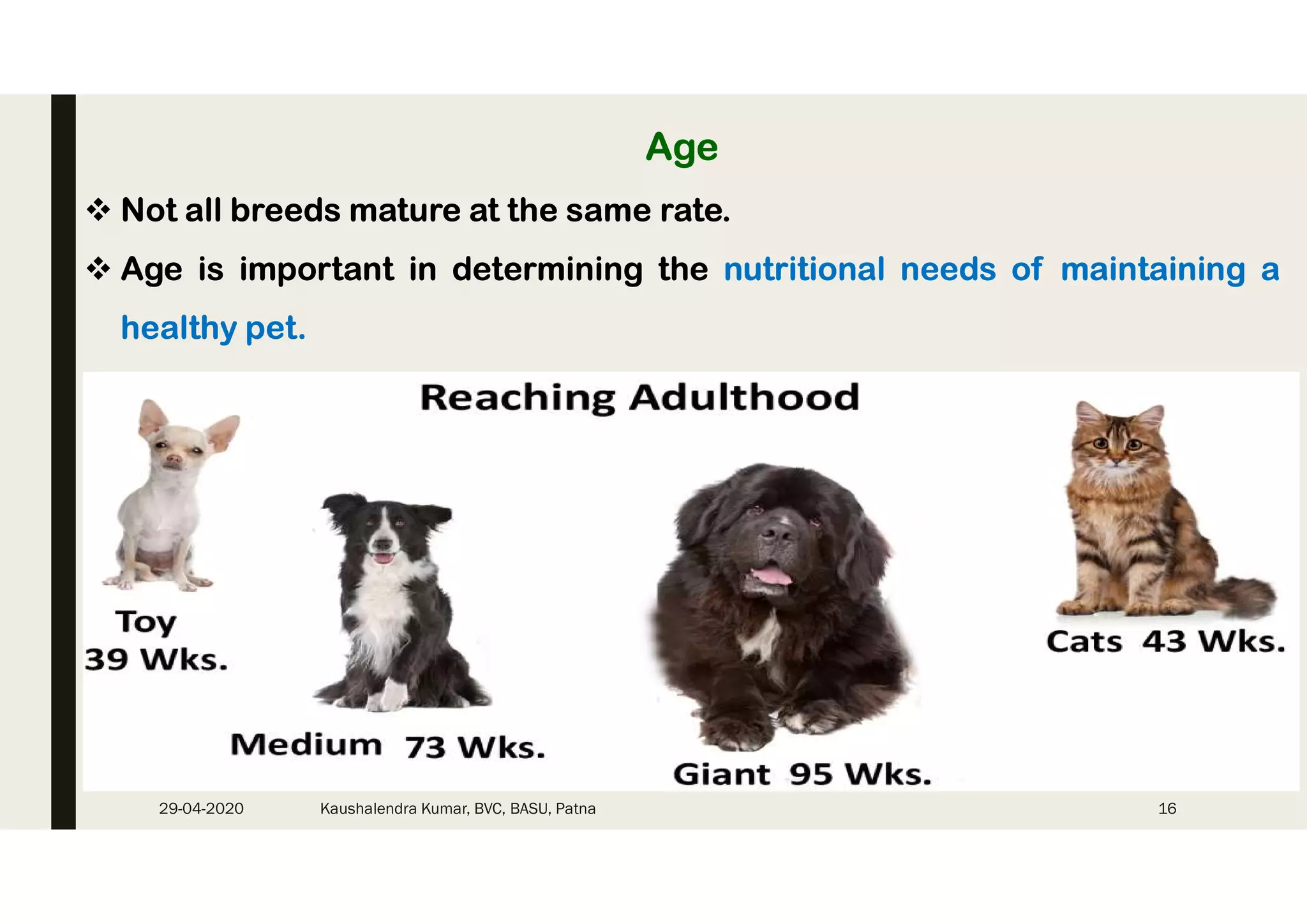
Credit: www.slideshare.net
Health Impacts Of Nutritional Differences
Cats and dogs need different nutrients to stay healthy. Their bodies use food in unique ways. These differences affect their health a lot. Feeding the wrong diet can cause problems. Understanding these effects helps pet owners choose the right food.
Cats need more protein and certain vitamins like taurine. Dogs can eat more carbohydrates. If these needs are not met, health issues can appear quickly or slowly.
Common Deficiency Symptoms
Deficiencies show as clear symptoms. Cats lacking taurine may develop heart or eye problems. Dogs without enough protein might lose muscle strength. Both pets can suffer from poor coat quality and low energy. Changes in behavior or appetite can also signal issues. Early signs are easier to treat.
Long-term Dietary Effects
Long-term poor diets cause serious diseases. Cats on low-protein diets risk organ failure. Dogs eating too many carbohydrates may gain excess weight. Obesity leads to joint pain and diabetes in dogs. Cats can develop skin and coat problems over time. Balanced nutrition supports a long, healthy life.
Frequently Asked Questions
What Are The Main Dietary Differences Between Cats And Dogs?
Cats require more protein and specific nutrients like taurine, while dogs have a more varied diet and can digest carbohydrates better. Cats are obligate carnivores, whereas dogs are omnivores, needing balanced nutrients from both meat and plant sources.
Why Do Cats Need Taurine But Dogs Do Not?
Cats cannot synthesize taurine, an essential amino acid, so they must get it from their diet. Dogs produce taurine naturally, making it less critical in their food. Taurine supports cats’ heart health, vision, and reproduction.
Can Dogs Eat Cat Food Or Vice Versa Safely?
Dogs can eat cat food occasionally but it’s not ideal due to high protein and fat. Cats should not eat dog food because it lacks essential nutrients like taurine. Feeding the wrong diet regularly can cause health issues in both pets.
How Do Cats’ And Dogs’ Vitamin Needs Differ?
Cats need higher amounts of vitamins A and B3 because they can’t convert precursors efficiently. Dogs convert these vitamins more effectively and need balanced levels from diverse food sources. This difference affects their overall nutritional requirements and diet formulation.
Conclusion
Cats and dogs need different nutrients to stay healthy. Cats require more protein and certain vitamins than dogs do. Dogs can eat more carbohydrates and fiber. Feeding pets the right food helps them live longer and feel better. Always choose food made for your pet’s species.
Understanding these differences keeps pets happy and strong. Simple changes in diet can make a big difference. Remember, each animal has unique needs. Care for your pets with the right nutrition every day.


