

Are you wondering if your playful puppy can eat the same food as your adult dog? It’s a common question that many dog owners face.
What you feed your puppy now can shape their health, energy, and growth for years to come. Choosing the right food isn’t just about convenience—it’s about giving your furry friend the best start in life. Keep reading to discover why what’s in your puppy’s bowl matters so much and how to make the smartest feeding choices for your growing companion.
Credit: www.acanapetfoods.co.uk
Nutritional Needs Of Puppies
Puppies have special nutritional needs that differ from adult dogs. Their bodies grow fast and need the right food to support this growth. Feeding puppies the proper diet helps them develop strong bones, muscles, and a healthy immune system. Understanding these needs is key to choosing the best food for your puppy.
Growth Requirements
Puppies grow rapidly during their first year. Their bodies require more calories than adult dogs. These extra calories give energy for play and learning. Growth also demands more protein to build muscles and tissues. Puppies need food that supports their fast development.
Key Nutrients For Development
Protein is essential for muscle growth and repair. Fat provides energy and helps brain development. Calcium and phosphorus build strong bones and teeth. DHA, an omega-3 fatty acid, supports vision and brain health. Vitamins and minerals keep the immune system strong and organs healthy.
Differences From Adult Dogs
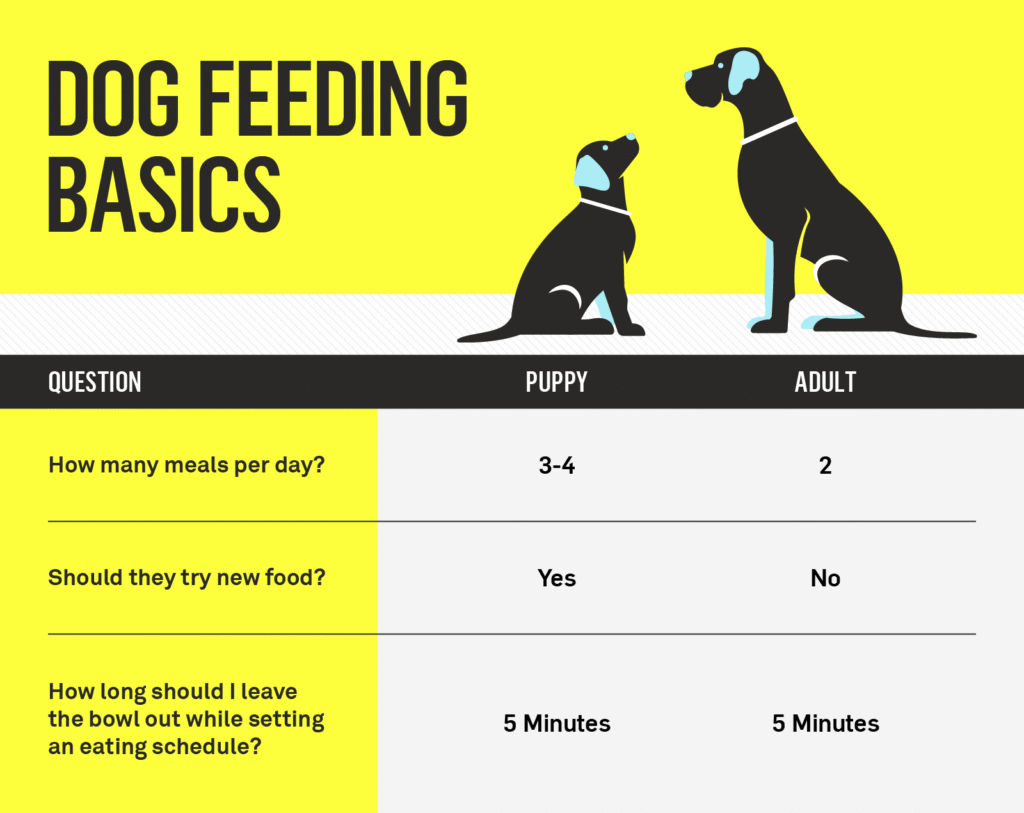
Adult dogs need fewer calories than puppies. Their growth has slowed or stopped. Adult food has less protein and fat than puppy food. Puppies need more nutrients to fuel their rapid growth. Feeding adult food to puppies may not meet these needs.
Credit: www.gallant.com
Risks Of Feeding Adult Dog Food To Puppies
Feeding adult dog food to puppies carries risks that affect their growth and health. Puppies need special nutrition to support their developing bodies. Adult dog food often lacks the right balance of nutrients for young dogs.
These risks can cause problems in the short and long term. Understanding them helps keep puppies healthy and strong.
Nutrient Imbalance
Puppies require more protein, fat, and calories than adult dogs. Adult dog food usually has fewer nutrients. This imbalance can slow a puppy’s growth. It can also weaken their immune system.
Digestive Issues
Puppies have sensitive stomachs. Adult food is harder to digest for young dogs. Feeding adult food may cause diarrhea or upset stomach. Puppies may refuse to eat or feel sick.
Long-term Health Effects
Prolonged feeding of adult food can lead to health problems. Poor bone development and weak muscles are common. It may cause obesity or joint issues later. Proper puppy food supports healthy growth and life.
When Adult Dog Food Might Be Acceptable
Puppies need special nutrition for healthy growth. Adult dog food usually lacks key nutrients for puppies. Still, there are times when feeding adult food is okay. Understanding these moments helps keep your puppy safe and healthy.
Short-term Use
Sometimes, adult dog food can be used briefly. For example, during travel or emergencies. Short-term feeding won’t harm a puppy if it lasts only a few days. Watch your puppy’s health closely during this time. Return to puppy food as soon as possible.
Special Circumstances
Some puppies may need adult dog food due to health issues. Certain illnesses require special diets prescribed by a vet. Adult dog food might suit these needs better. Always follow your vet’s advice about diet changes. Never switch foods without professional guidance.
Consulting A Veterinarian
A veterinarian knows your puppy’s specific nutritional needs. They can recommend if adult dog food is safe. Discuss your puppy’s diet during regular checkups. Vets help avoid nutrition problems from wrong food choices. Trust their advice for your puppy’s best health.
Choosing The Right Puppy Food
Choosing the right food for your puppy is very important. Puppies need special nutrition to grow strong and healthy. Adult dog food does not have the right balance of nutrients for puppies. Selecting the correct food helps your puppy develop bones, muscles, and a healthy immune system.
Focus on food designed specifically for puppies. This ensures they get the right vitamins, minerals, and proteins. Let’s explore how to pick the best puppy food by reading labels, checking ingredients, and choosing age-appropriate formulas.
Reading Labels
Check the label carefully. Look for the word “puppy” or “growth” on the package. This means the food is made for puppies. Also, find the guaranteed analysis section. It shows the levels of protein, fat, and fiber. Puppies need higher protein and fat than adult dogs. Avoid foods that do not list these clearly.
Quality Ingredients
Good puppy food starts with quality ingredients. Meat should be the first ingredient, like chicken, beef, or lamb. Avoid foods with too many fillers like corn or wheat. These fillers add little nutrition. Vitamins and minerals should be included to support growth. Natural ingredients help your puppy stay healthy and active.
Age-appropriate Formulas
Puppies have different needs than adult dogs. Their food needs more calcium and fat. Choose formulas made for puppies or all life stages. These have the right nutrients for growing dogs. Feeding adult dog food can cause nutrient gaps. Stay with age-appropriate formulas for strong bones and energy.
Transitioning From Puppy To Adult Food
Transitioning a puppy from puppy food to adult dog food is an important step. Puppies need special nutrition to grow strong. Adult dog food supports maintenance and overall health. Making the change carefully avoids stomach problems and keeps your puppy happy.
Timing The Switch
Most dogs switch to adult food between 9 and 12 months. Large breeds may need more time. Small breeds often change sooner. Follow your vet’s advice for the best timing. Watch your puppy’s growth and energy levels.
Gradual Change Process
Mix a small amount of adult food with puppy food. Increase adult food over 7 to 10 days. This helps your puppy adjust to new flavors and nutrients. Sudden changes can cause upset stomach or diarrhea. Be patient and consistent during this period.
Monitoring Puppy’s Health
Check your puppy’s weight and coat condition regularly. Look for signs of discomfort or digestive issues. Healthy stool and steady energy show good adjustment. Consult your vet if your puppy loses weight or seems unwell. Regular check-ups ensure your puppy thrives on adult food.
Common Myths About Puppy And Adult Dog Food
Puppy and adult dog food often cause confusion for many pet owners. There are many false ideas about feeding puppies adult dog food. These myths can lead to poor choices in your puppy’s diet. Understanding the truth helps keep your puppy healthy and strong.
Let’s clear up some common myths about puppy and adult dog food. Knowing the facts will help you feed your puppy right.
Myth: All Dog Food Is The Same
Not all dog food is the same. Puppy food has more nutrients and calories. Puppies need extra energy to grow. Adult dog food lacks some of these important nutrients. Feeding puppies adult food can slow their growth.
Myth: Puppies Can Eat Adult Food Without Issues
Puppies cannot eat adult food without problems. Adult food may not meet a puppy’s needs. It can cause digestive issues and nutrient gaps. Puppies need a balanced diet for bones and muscles. Feeding adult food too soon can harm your puppy’s health.
Myth: Puppy Food Is Too Expensive
People often think puppy food costs too much. Puppy food may seem pricier but lasts longer. It provides all the needed nutrients in smaller amounts. Feeding the right food helps avoid costly health problems later. Investing in puppy food saves money on vet bills.
Credit: www.bowlerspets.com
Frequently Asked Questions
Can Puppies Eat Adult Dog Food Safely?
Puppies can eat adult dog food briefly, but it lacks essential nutrients. Puppy food supports growth and development better. Feeding adult food long-term may cause deficiencies and health issues in puppies.
What Are Risks Of Feeding Puppies Adult Dog Food?
Adult dog food may lack enough protein, fat, and calories for puppies. This can slow growth and weaken their immune system. Nutrient imbalances may lead to developmental problems and poor overall health.
When Should Puppies Switch To Adult Dog Food?
Puppies should switch to adult dog food after about 12 months. Large breeds might switch between 12-18 months. Transition gradually to avoid digestive upset and ensure proper nutrition for adult dogs.
Is Adult Dog Food Cheaper Than Puppy Food?
Adult dog food is often less expensive than puppy food. However, feeding adult food to puppies might increase vet costs due to nutrition-related problems. Investing in quality puppy food ensures healthier growth and fewer health risks.
Conclusion
Puppies need special food to grow strong and healthy. Adult dog food may lack important nutrients for puppies. Feeding the right diet helps their bones, muscles, and brain develop well. Always choose food made for your puppy’s age and size.
Mixing or switching foods can cause stomach upset. Ask your vet for advice if unsure. Good nutrition now means a happy, healthy dog later. Keep your puppy’s meals balanced and suitable for their needs. Healthy habits start with the food you provide.


